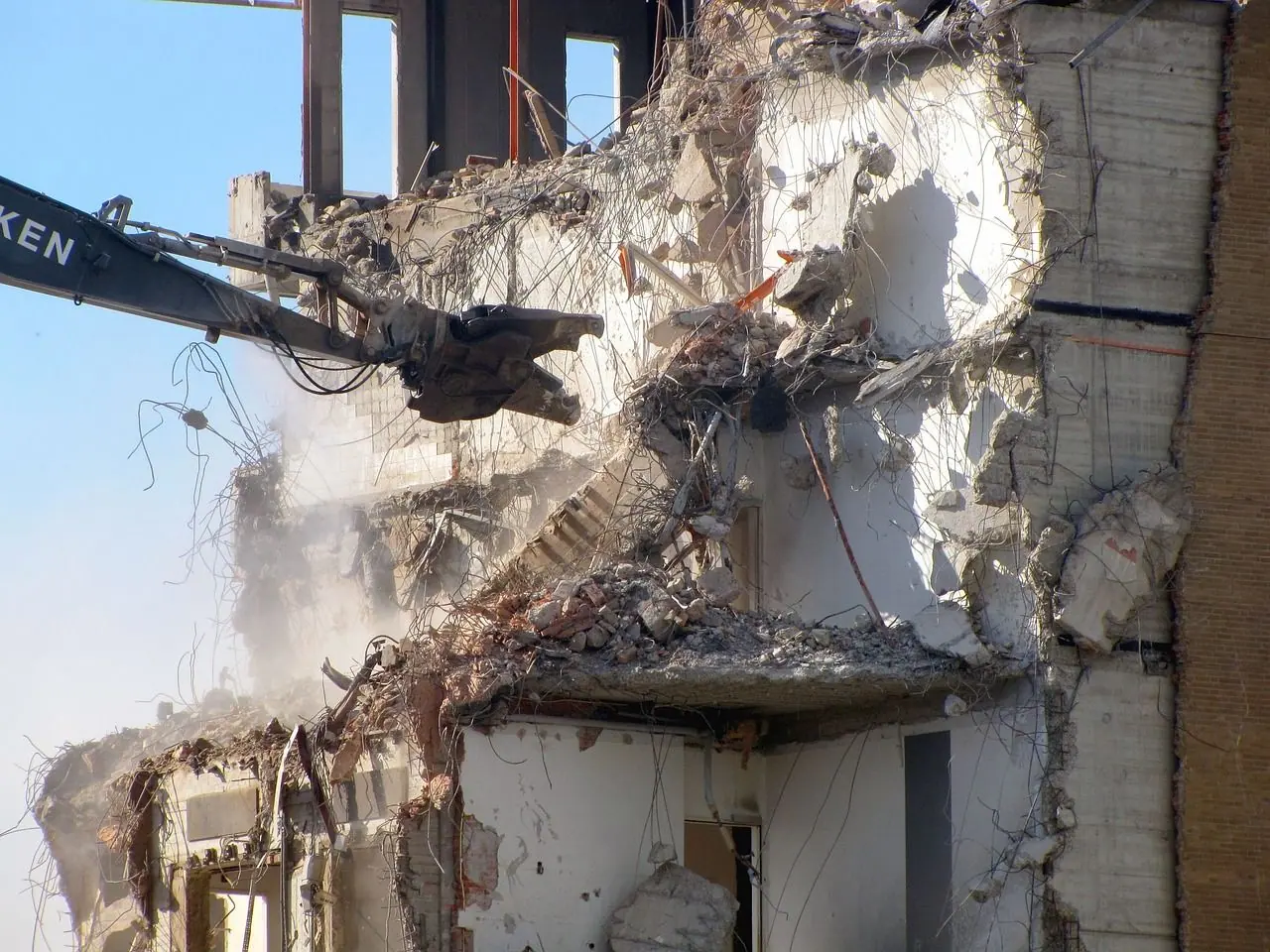
High-risk work is one of the most important areas of occupational health and safety. It covers activities with an increased risk of occupational disease, workplace injury or other harm to health. Employers have special obligations in this area, which became even stricter in 2026. At Rescue Group we provide comprehensive support in identifying, categorising and managing high-risk work. We explain the current definitions, the legal framework and the practical steps under the latest versions of the laws and regulations in force in 2026.
What counts as high-risk work under Czech legislation
High-risk work is defined mainly by Act No. 258/2000 Coll. on the Protection of Public Health (as amended). High-risk work includes work classified in category 3 or 4 under Decree No. 432/2003 Coll. (as in force in 2026). It also includes some category 2 work if the public health authority or a special regulation so decides.
Another key law is Act No. 309/2006 Coll. on ensuring further conditions of occupational health and safety (as amended in 2025/2026). This act extends employers’ obligations in prevention, record-keeping and the financial contribution to pension savings for employees who perform high-risk work.
From 2026, employers are obliged to pay a 4% pension savings contribution for employees in high-risk work (classified in category 3 or higher). Employers must keep records of shifts worked in high-risk workplaces and inform employees of the classification.
Work categorisation and why it matters
Work is classified into four categories according to the level of risk to employees’ health. High-risk work mainly means categories 3 and 4.
- Categories 1 and 2 – work with no significant risk or a low risk
- Category 3 – work where exposure limits are exceeded (noise, vibration, chemical substances, dust, heat, cold, physical strain, etc.)
- Category 4 – work with a very high risk of occupational disease (asbestos, carcinogens, biological agents of groups 3 and 4, ionising radiation, etc.)
The employer must carry out the categorisation based on a risk assessment and report the result to the competent public health authority. Incorrect classification leads to penalties.
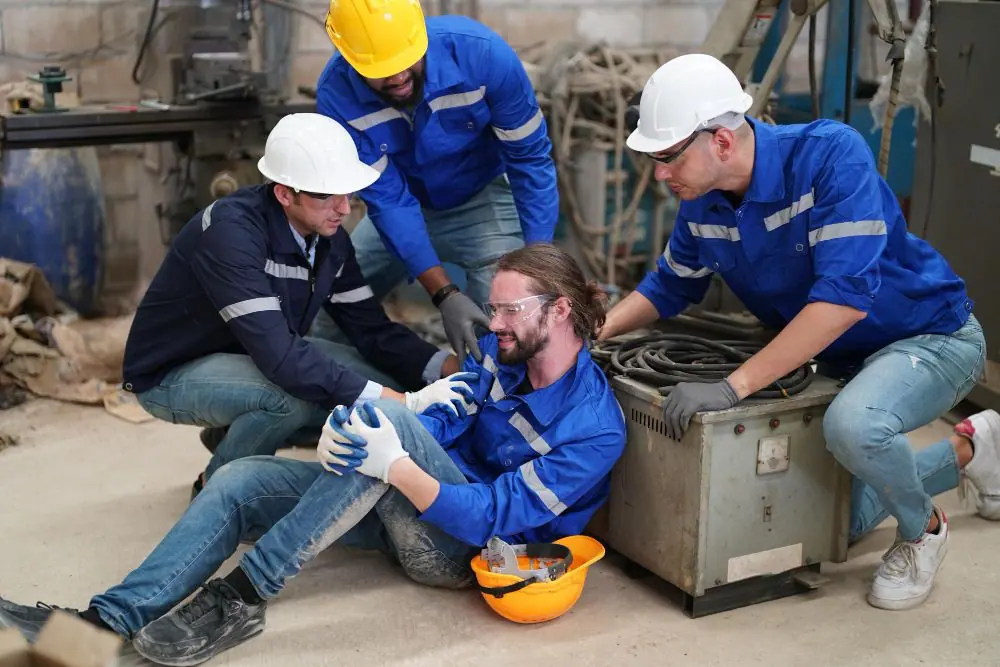
The employer’s obligations for high-risk work
In the area of high-risk work, the employer has several fundamental obligations that follow directly from current legislation and are key to ensuring safety and legal compliance.
First, the employer must carry out a detailed workplace risk assessment and, on that basis, correctly classify the individual types of work into the appropriate category under the decree. It must also put effective preventive measures in place – technical, organisational or protective equipment appropriate to the specific risk. At the same time, it must keep accurate records of all shifts worked on high-risk work, which has become even more important since 2026 because of the mandatory 4% pension savings contribution for these employees.
The employer is also responsible for arranging regular occupational health examinations according to the risk category and must properly inform employees of all identified risks and of the measures protecting their health. If the set exposure limits are exceeded (e.g. noise, vibration, chemical substances), the employer must immediately take measures to reduce them so that employees’ health is not endangered.
Examples of high-risk work
- Work with chemical substances (solvents, acids, pesticides)
- Work in noise above 85 dB(A)
- Work with vibration (hand tools, heavy machinery)
- Work at height or at depth
- Work with biological agents (viruses, bacteria, moulds, parasites)
- Work in high temperatures or in the cold
Q&A: frequently asked questions about high-risk work
How can I tell that work is high-risk?
By whether exposure limits (noise, vibration, chemicals, etc.) are exceeded or whether it is classified in category 3 or 4. This is determined by a risk assessment.
Do I already have to pay the 4% contribution in 2026?
Yes, if you have employees in high-risk work classified in category 3 or 4.
Who carries out the work categorisation?
The employer itself or a specialist company. The result is reported to the public health authority.
What if I classify work incorrectly?
You face penalties from the labour inspectorate or the public health authority. Correct categorisation protects you from fines and injuries alike.
How often are medical examinations carried out for high-risk work?
More often than for ordinary work – periodic examinations every 1–2 years depending on the category and risk.

Minimise the risks with expert support
High-risk work requires a systematic and consistent long-term approach, which the employer must regularly update in line with current legislation and developments in the workplace. Since 2026, employers’ obligations in this area have become significantly stricter – it is now necessary to keep detailed records of shifts worked on high-risk work, pay a mandatory 4% contribution to supplementary pension savings for these employees, and strengthen preventive measures to reduce exposure to risk factors as much as possible. These changes are not just a formality – they have a direct impact on costs, administration and the company’s liability in the event of a workplace injury or occupational disease.
At Rescue Group we offer complete, professional support in managing high-risk work. We carry out regular exposure measurements, detailed workplace risk assessments, employee training and full assistance in meeting the new obligations. Our specialists, with many years of experience, will make sure your health and safety system is not only fully compliant with the latest legal requirements, but also practical, effective and tailored to the specific conditions of your operation.
Keep on top of the new legislation.