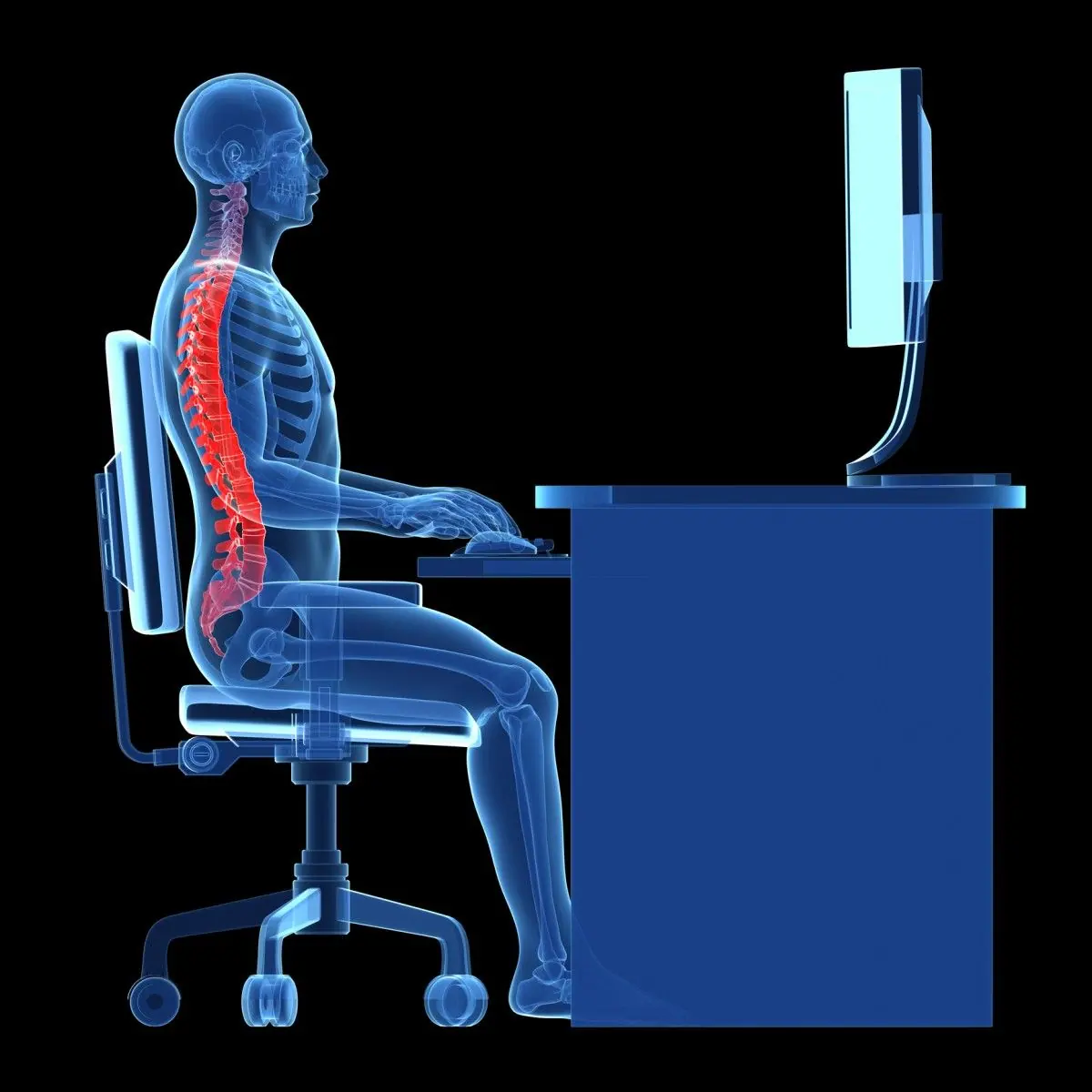
A workplace risk assessment is a basic obligation of every employer. It is not just about complying with the law, but above all a practical tool that protects employees’ health, reduces the costs of injuries and occupational diseases and makes the company more efficient. A properly performed risk assessment lets you identify hazards before they cause harm. At Rescue Group we have been helping companies with professional risk assessments for many years.
Why a risk assessment is mandatory
The Czech Labour Code requires every employer to identify and assess all risks associated with work. This obligation applies regardless of the size of the company – from a single employee to large manufacturing plants. The aim is to prevent workplace injuries and occupational diseases and to minimise risks that could lead to high fines or legal disputes.
A well-prepared risk assessment serves as the basis for the whole health and safety system. It is the basis for setting protective measures, planning training, choosing personal protective equipment and categorising work.

How to carry out a risk assessment correctly
A risk assessment must be systematic, documented and regularly updated. The whole process takes place in several key steps that make it comprehensive and practically useful.
First you identify all possible hazards in the workplace. Then you determine which employees are exposed to the risk and for how long. This is followed by assessing the likelihood and severity of the risk. Based on this, you propose specific measures to reduce or eliminate it.
The key steps of a risk assessment include:
- Identifying all hazards – physical, chemical, biological, ergonomic and psychosocial
- Determining which employees are at risk and their level of exposure
- Assessing the likelihood and severity of each risk
- Designing and introducing preventive and protective measures
- Documenting the whole process and setting dates for regular review
It is important to involve the employees themselves in the process. They know the real conditions in the workplace best and often point out risks that management or external experts might miss. Involving them improves the quality of the assessment and helps the proposed measures to be accepted.
The most common mistakes in risk assessment
Unfortunately, many companies underestimate the quality of their risk assessment and treat it merely as a necessary administrative obligation. The most common mistakes include a superficial approach without a real assessment of the situation in the workplace, overlooking psychosocial risks, failing to update the documentation after changes in technology, work procedures or work organisation, and not involving the employees themselves in the process.
A risk assessment prepared this way has no practical value and is just a paper exercise, and during an inspection by the State Labour Inspection Office or other authorities it can lead to high fines, orders to take corrective measures or even criminal liability for the employer.
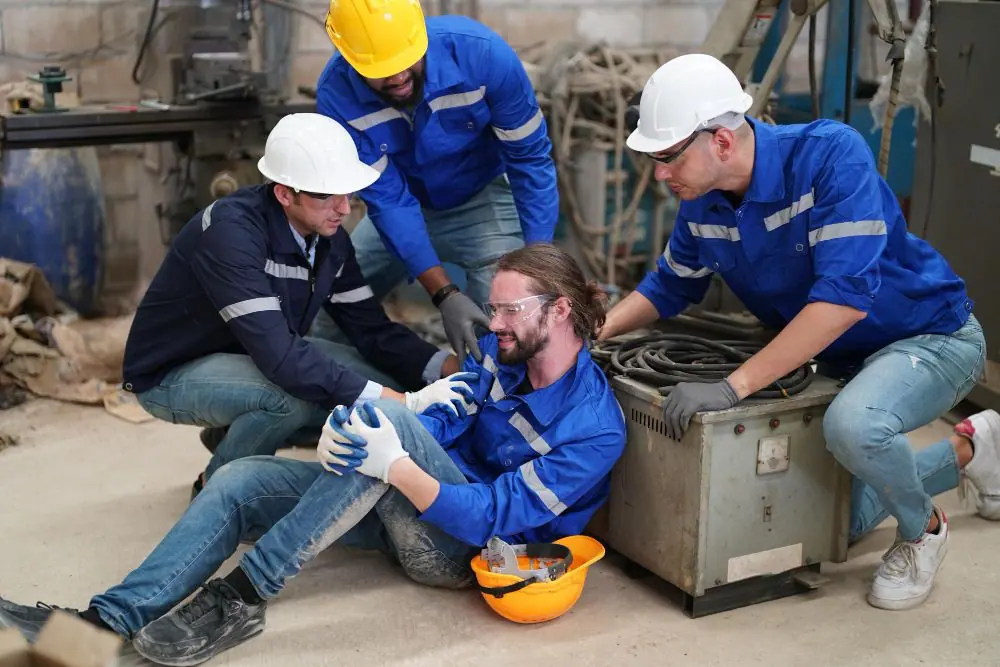
Updating the risk assessment
A risk assessment is not a one-off exercise that you can do once and then forget. It must be updated regularly to reflect the current situation in the workplace and take into account all changes that may affect employees’ health and safety.
An update is necessary whenever there is a change in work procedures, new technology is introduced, work organisation changes, premises are renovated or after any workplace injury or accident. Even without visible changes, we recommend reviewing the risk assessment at least once every two years. This ensures the document remains current, relevant and fully compliant with the applicable legislation.
Regular updates help you prevent risks, reduce the likelihood of injuries and demonstrate that, as an employer, you actively look after your employees’ health and safety.
Q&A – frequently asked questions about risk assessment
Does a risk assessment have to be carried out by an external company?
No, the employer can carry it out in-house. An external specialist, however, ensures objectivity and higher quality, especially for more complex operations.
Does a risk assessment also cover home office?
Yes. The employer must also assess the risks of working from home, especially ergonomic and psychosocial risks.
What if I do not carry out a risk assessment?
You face a fine of up to CZK 2,000,000 and, in the event of an injury, even criminal liability.
Do I need a risk assessment even for one employee?
Yes. The obligation applies to all employers with at least one employee.
From paperwork to real protection
A workplace risk assessment is not just an administrative obligation. It is a strategic tool that protects your employees’ health, reduces costs and increases the company’s safety and efficiency.
At Rescue Group we offer professional risk assessments with a practical impact on day-to-day operations. We will help you not only meet the legal requirements, but above all create a genuinely safe and healthy working environment.
Want to assess the risks at your company?