The working environment is a natural part of everyday life, as we spend most of our time there during the working day. Its quality and safety have a significant impact not only on our physical and mental health, but also on overall productivity and satisfaction at work. That is why it is essential for the working environment to meet high standards of safety and health, helping to maintain optimal working conditions for all employees.
A safe and healthy working environment is not just a matter of standards and regulations – it is also a basic prerequisite for building a high-quality workforce and preventing workplace injuries and illness. Ensuring a safe working environment is not only the employer’s obligation, but also a joint effort of all employees. Professionally designed and well-maintained workplaces not only minimise the risk of injury and illness, but also support work efficiency and workers’ overall quality of life.
Technological development and changes in work practices mean the working environment is constantly evolving. Modern offices, industrial facilities and digital technologies, however, also bring new risks that require new approaches to occupational health and safety. Companies must constantly adapt to new challenges to make sure employees work in an environment that minimises stress and maximises their well-being. Different risks can affect employees on different levels. The 3 basic types of risk are physical, chemical and psychological.
Physical risks
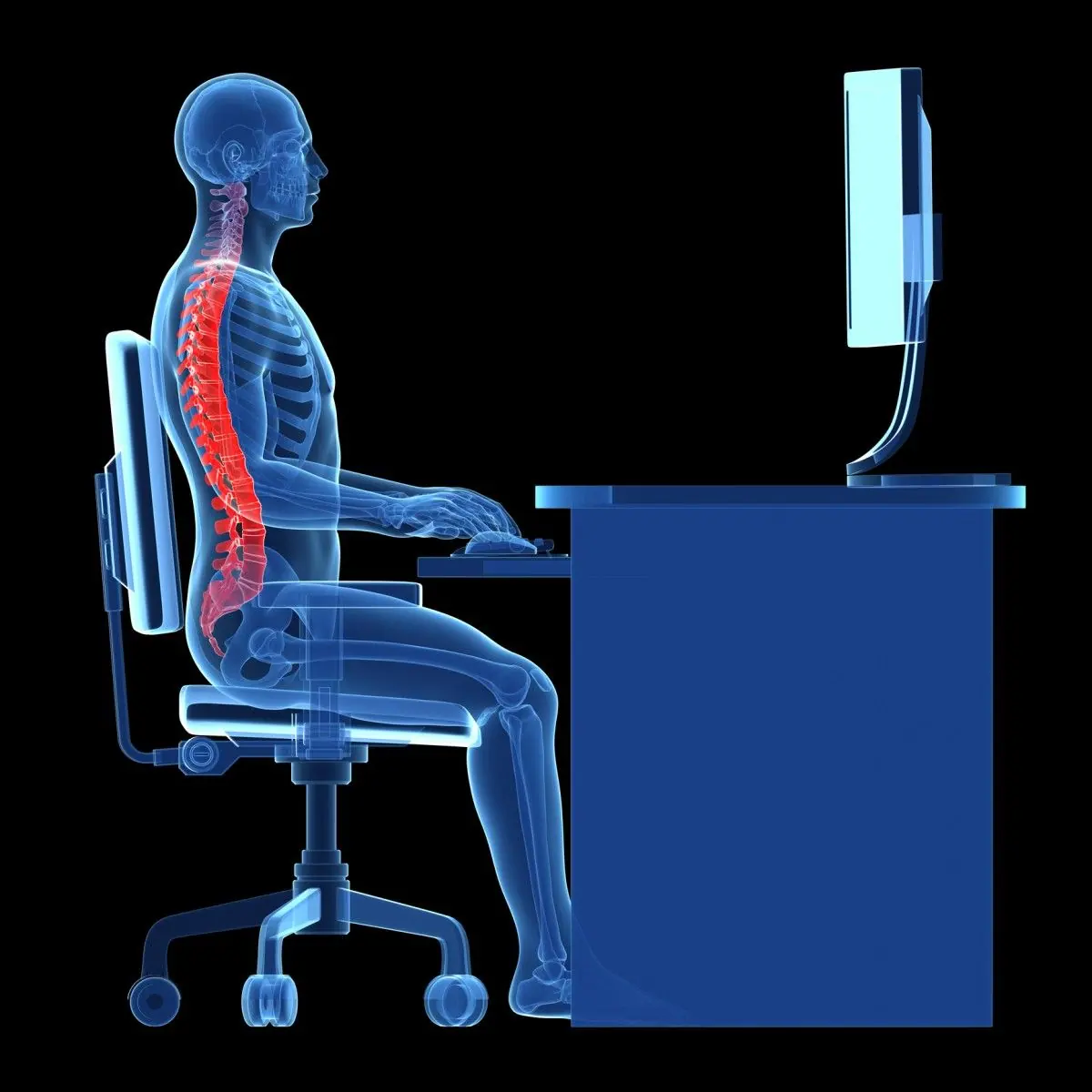
Physical risks often relate to working conditions and equipment. Ergonomics is a key element in preventing back and neck pain and other potential health complications. Employers should respond to these risks by providing:
- Ergonomic workstations: investing in furniture and equipment that supports correct posture and minimises physical strain.
- Regular breaks and exercise: encouraging regular short breaks and exercise so that employees can stretch and release tension.
- Injury prevention: providing regular training on handling tools and equipment safely.

Chemical risks
Working with chemical substances is a particular challenge that can be addressed by using protective equipment correctly and following safety procedures:
- Protective equipment: making sure employees use suitable protection, including gloves, safety glasses and clothing, to minimise exposure to hazardous substances.
- Safe storage: revising chemical storage procedures to minimise the risk of accidental contamination or accidents.
- Training and information: providing detailed information and regular training on the safe handling of the specific chemical substances in the workplace, as well as first aid training in case of chemical exposure.
Psychological stressors
Employees’ mental well-being is a key factor in the overall success of effective work teams. Preventing psychological stressors includes:
- Mental health support programmes: offer employees access to programmes that support mental health, and create a safe environment for talking openly about stress.
- Flexible working hours: where possible, give employees flexibility in their working hours so that they can better balance work and personal life.
- Stress management training: train employees in how to manage stress effectively and cope with demanding work situations.
Today, with an increasing emphasis on work–life balance, company benefits are becoming ever more popular. Company mental health programmes and flexible working conditions are increasingly seen as key elements contributing to employees’ overall satisfaction and performance.
Fire-related risks
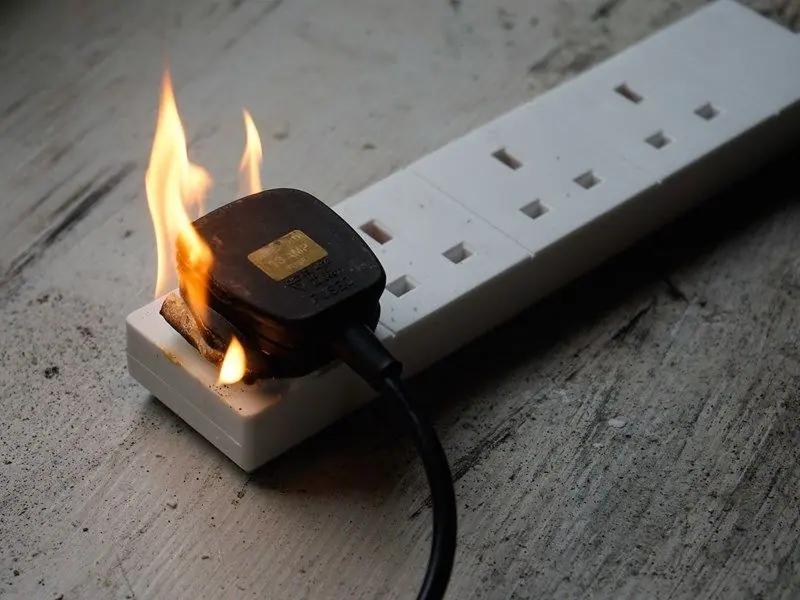
Fires can be a serious hazard in the working environment and must always be nipped in the bud. A properly set up and managed fire protection system plays a key role in eliminating and reducing fires, including activities such as:
- Regular checks of electrical equipment: prevent fires caused by electrical faults by checking electrical equipment regularly and fixing problems promptly.
- Fire protection: equip workspaces with fire extinguishers and train employees to use them so that they can respond quickly to a fire in its early stages.
- Evacuation plan: draw up a clear evacuation plan and run regular fire safety training so that employees learn the correct procedures in a fire.
Why risk assessment matters
Risk assessment is a key tool for identifying, evaluating and managing risks in the workplace. Employers should:
- Regularly carry out risk assessments: identify potential threats and estimate their impact on employees and the business.
- Update safety procedures: based on the risk assessment, regularly update safety procedures and guidelines.
- Involve employees: encourage employees to take an active part in risk assessment, as they are the first line of defence against potential hazards.

Creating a safe working environment requires constant attention and cooperation between employers and employees. Regular reviews of safety procedures, inspections and risk assessments are key to maintaining a safe working environment where employees feel protected and supported.
We will help you assess the risks at your company
Published: 12/2023