Demolition work involves complex processes of breaking up or removing load-bearing parts of a structure, which places high demands on safety. This article focuses on the principles of carrying out this work safely, including the necessary preventive measures, documentation and the use of modern technologies that help minimise risks and protect workers and the surroundings.
Demolition work
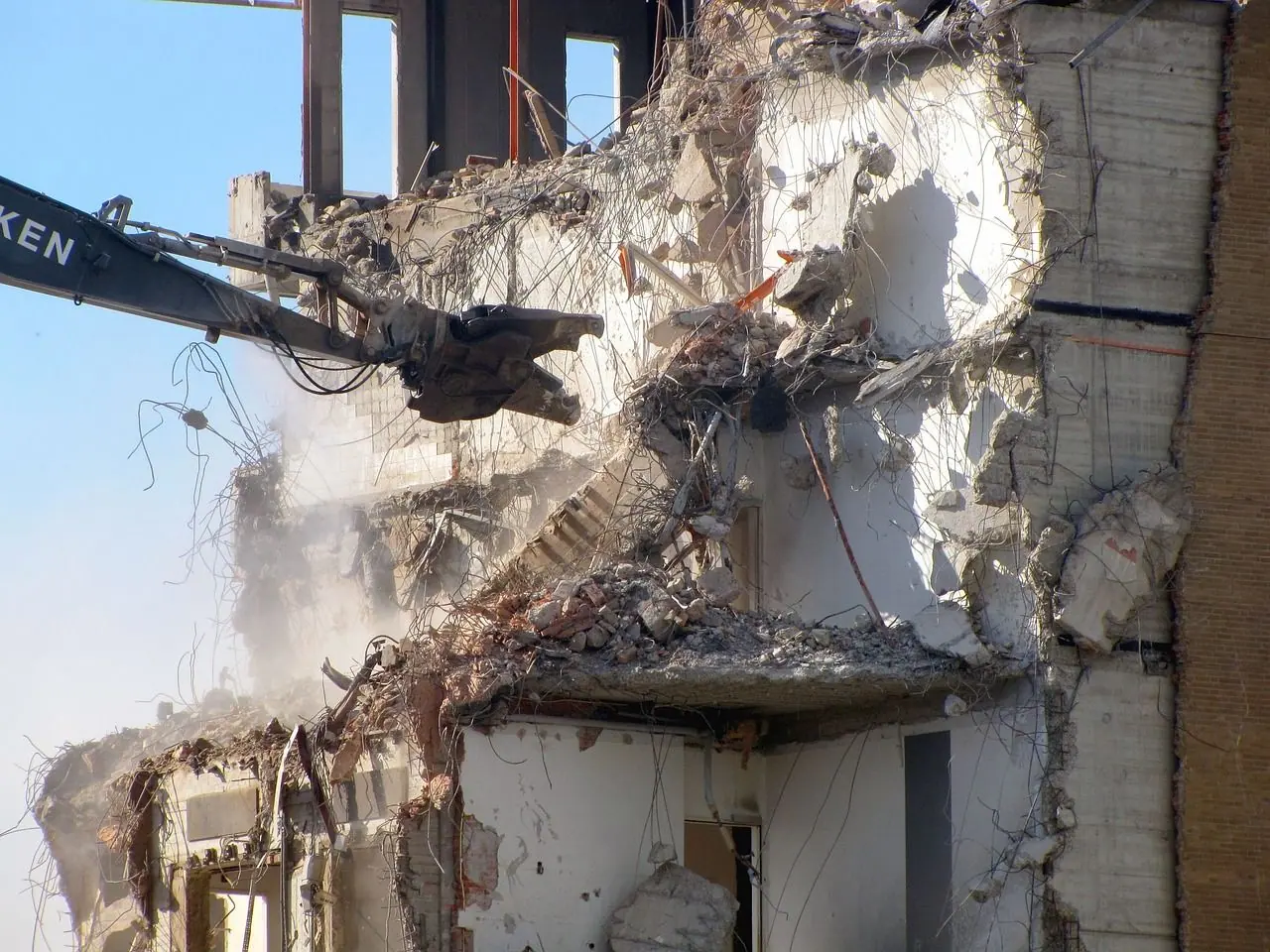
Demolition work involves breaking up, dismantling, demolishing or taking down all or part of a structure that is load-bearing or affects the integrity of the structure. A structure means any object, whether fixed or mobile, temporary or permanent – for example buildings, sheds, towers, chimneys, silos, storage tanks and other structures.
Demolishing or breaking up load-bearing structural elements that are key to the stability of a structure is classified as “high-risk construction work”. It is therefore essential to comply with all the safety requirements that apply to this work.
What is not considered demolition work:
- Dismantling formwork, scaffolding or other support structures used during construction
- Removing poles for power, lighting or telecommunications networks
Safety risks in demolition work
Demolition work brings a number of serious safety risks. When structures are demolished, not only the workers are at risk, but also people around the demolition site, utility networks (electricity, gas, water, telecommunications), nearby property and the environment. Some of the most critical risks are:
- Falls from height
- Injuries caused by falling materials
- Uncontrolled collapse of the structure
- Damage to utility networks
- Traffic management problems
- Hazardous materials
- Noise and vibration
- Risk of fire
Preparing for demolition work
Construction is one of the most dangerous sectors when it comes to occupational safety. Every year, thousands of workplace injuries happen on construction sites, and many of them are fatal. A proper OHS coordinator is essential for ensuring safety on site and minimising the risks associated with construction work.
Demolition documentation
Before starting demolition work, it is essential to have complete demolition documentation. This includes a method statement setting out the basic rules and principles for carrying out the demolition. Proper documentation also includes notification of the removal of the structure and the relevant permit. To handle these tasks correctly, it is often necessary to turn to specialists – for more information, you can contact us directly.
Constant physical supervision
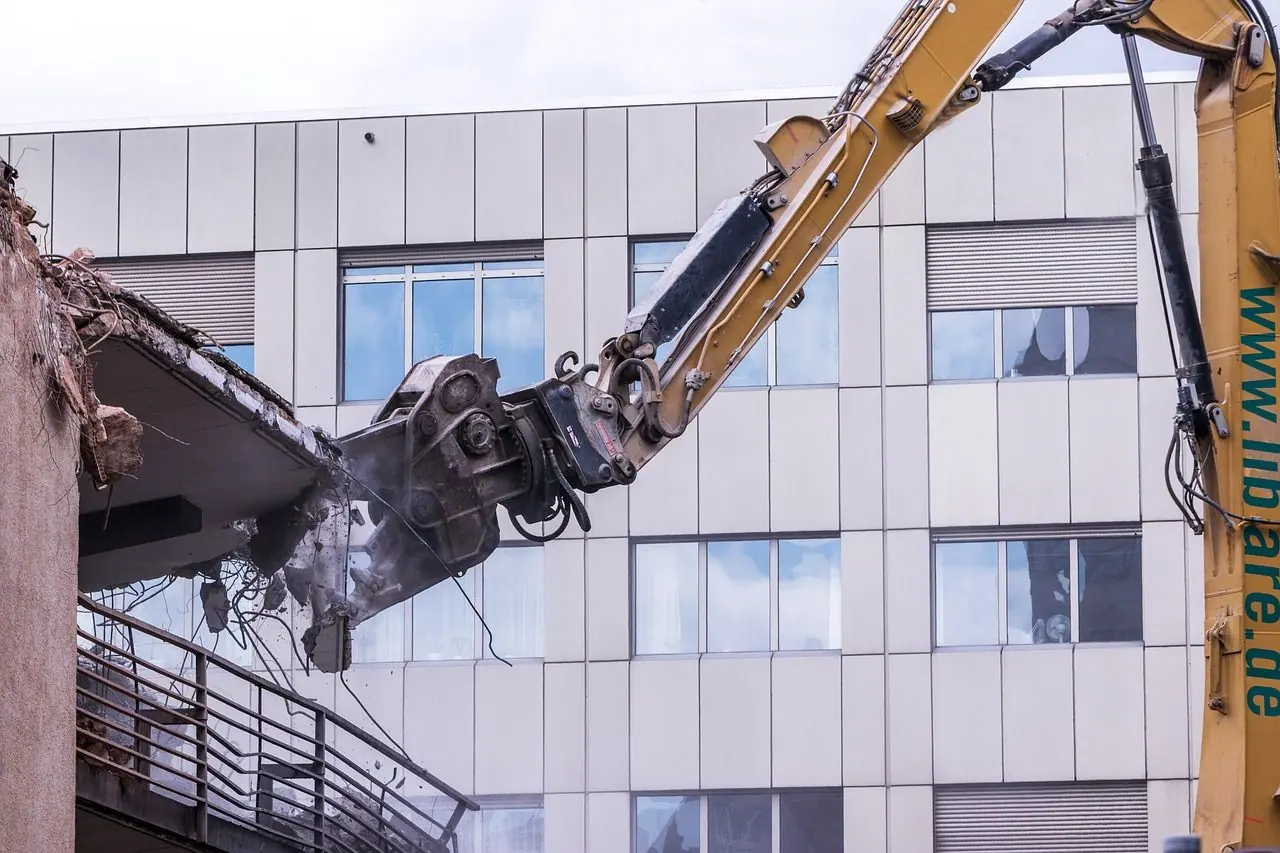
For more complex demolition work, constant physical supervision must be provided to oversee the whole site and coordinate the work. This is especially important when pulling down or demolishing vertical structures, to prevent an uncontrolled collapse. Constant physical supervision is also necessary for inspecting buildings near the demolition site so that they are not damaged.
The supervisor must monitor the demolition work and the movement of people on site carefully at all times. They must not leave the site or do anything other than supervise.
This applies in the following cases:
- Demolishing structures higher than one storey
- Pulling down or demolishing vertical structures from a height of 3 m
- Demolishing staircases and projecting parts
- Renovations and demolitions that change the structural safety of the building
- Machine demolition and demolition using specific methods such as oxygen cutting
- Demolition work where there is a risk of objects or materials falling on workers
- Constant physical supervision is also necessary when demolition work takes place in two or more places on the same structure at the same time
Ensuring safety on site
Occupational health and safety
The main aim of site safety is preventing workplace injuries and protecting workers’ health. For this purpose, strict rules must be introduced for wearing personal protective equipment (PPE) such as helmets, safety glasses and safety boots. Regular OHS training is also important so that all workers are familiar with the current safety regulations.
Risk analysis
A risk analysis is a key part of every construction project. It involves identifying potential risks on site and minimising them. For example, falls from height and injuries from falling materials are common risks that must be monitored constantly. A structural survey before work starts can reveal weaknesses in the structure and prevent unexpected accidents.
Watching out for hazardous materials
Hazardous materials such as chemicals or asbestos are often present on construction sites. It is important to have clear procedures for handling these materials and to make sure all workers on the demolition site are informed about the risks of handling them. Examples of contaminated material on a demolition site:
- Acids from industrial processes
- Paints and varnishes
- Flammable liquids
- Microbiological materials (old hospitals)
- Other unidentifiable materials
The danger zone
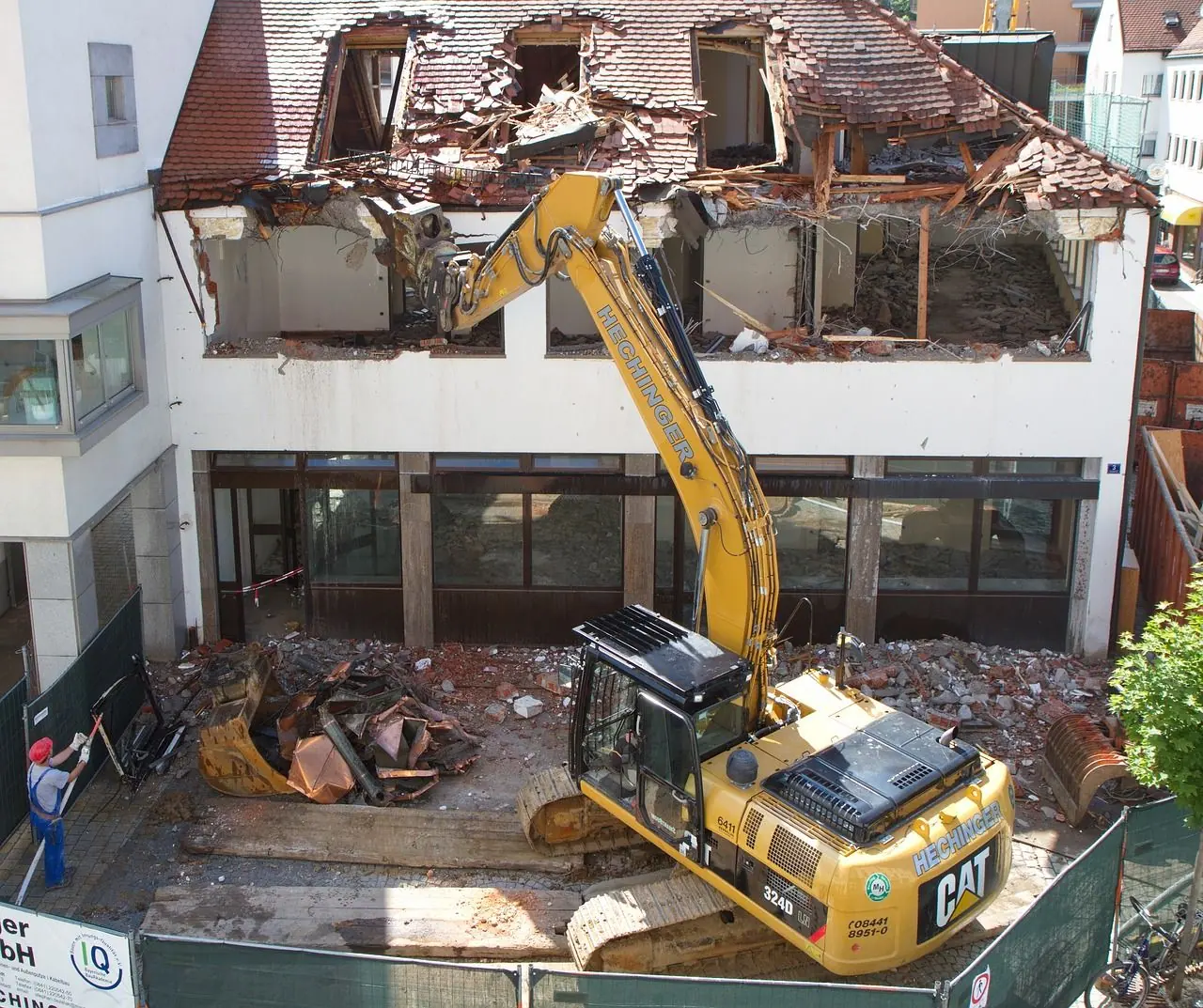
Before demolition work starts, a danger zone must be defined – the area where materials and rubble may fall. At the same time, unauthorised people must be kept out of this area, all entrances to the structure being demolished must be securely closed off, and measures must be taken to protect the public interest.
The danger zone must be enclosed by a fence at least 1.8 m high. If the area cannot be fenced, it must be secured in another suitable way, for example by security guards or by restricting traffic in the area.
Modern technologies and their use
Using drones to monitor demolition work
Modern technologies can make a significant contribution to safety during demolition work. One example is using drones to monitor demolition areas. Drones provide a clear view of the demolition zone from above and can identify potential risks that might otherwise be overlooked. This includes checking hard-to-reach parts of the structure, monitoring the movement of material and checking the condition of safety features.
Prevention and preparation for demolition work
Preventive measures
Preventive measures are key to minimising the risks during demolition work. They include setting clear work rules, regular training for workers and introducing effective monitoring systems. It is also essential to have an emergency plan covering the evacuation of workers, first aid and contacting the emergency services.
Preparing for the unexpected
Preparing for unexpected events is essential for a fast and effective response to an accident during demolition work. Every demolition site should have a crisis plan covering evacuation procedures, contacting the emergency services and keeping workers safe.
The role of the OHS coordinator
What the OHS coordinator does
The OHS coordinator plays a key role in ensuring safety on site. This expert is responsible for identifying and minimising risks, ensuring workers are trained and monitoring compliance with safety regulations. The OHS coordinator works with the team on site and is often in contact with other experts to make sure all aspects of safety are covered.
Important safety tips for demolition work
In a demolition, it is essential to check whether there are hazardous substances on site, such as asbestos.
All workers must wear the prescribed personal protective equipment (PPE) during demolition work. This includes helmets, safety glasses, high-visibility vests or jackets, gloves, safety boots and dust respirators.
To prevent workplace injuries, all employees must be thoroughly trained in the safety rules and regulations before demolition work begins.
Environmental safety aspects are also very important. Noise, vibration and dust are common by-products of demolition work, so they must be carefully monitored and managed to minimise the risks to employees and the surrounding area.
Keeping the demolition area clean and safe is key. Ongoing clearing helps keep the working environment safe and ensures the waste produced is handled properly. A safe workplace also includes access to toilets, drinking water, washing facilities, hot water and a clean area for breaks.
Occupational health and safety on a construction site is a complex process that requires careful attention and a systematic approach. From properly documenting the demolition work and ensuring constant physical supervision to modern technologies such as drones, every step is key to minimising risks and ensuring safety.
If in doubt, or if you need expert help, contact us and take advantage of our professional services