A fire, a chemical leak or a medical emergency – an unexpected crisis can endanger your employees, your property and your company’s reputation. The right preparation, however, can minimise the damage and ensure a fast recovery. At Rescue Group we help companies create effective crisis plans and train teams to handle crises with a cool head. Here are five key steps to preparing your company for an unexpected crisis, and how professional support from Rescue Group will keep your business safe.
Why preparing for a crisis is essential
Every company, whether a small business, a family workshop or a large manufacturing plant, faces risks that can disrupt its operations and threaten its future. A warehouse fire caused by faulty wiring, a serious workplace injury or an employee’s sudden medical emergency such as cardiac arrest – these situations can have devastating consequences if you are not prepared. According to the International Labour Organization (ILO), workplace accidents and emergencies cause more than 2.8 million injuries a year and economic losses of more than 4% of global GDP, amounting to hundreds of billions of dollars. In the Czech Republic, statistics from the State Office for Labour Inspection show that more than 40,000 workplace injuries were reported in 2023, hundreds of them with serious or fatal consequences. These figures underline that a lack of preparation can lead not only to physical injuries, but also to financial losses, fines for non-compliance and long-term damage to the company’s reputation, which can weaken the trust of customers, partners and employees.
In the Czech Republic, companies must meet the requirements for occupational health and safety (OHS) under Act No. 262/2006 Coll., which imposes an obligation to prepare for emergencies such as fires, chemical leaks or medical collapses. Breaching these regulations can lead to fines of up to CZK 2 million, but the real costs of being unprepared are much higher. As well as financial losses, a crisis can have psychosocial effects – employees who experience a traumatic event may suffer from anxiety, a loss of motivation or distrust of management, which harms productivity and the company culture. Companies that invest in prevention, on the other hand, gain a competitive advantage – a safe working environment attracts high-quality employees, increases loyalty and strengthens the image of a reliable employer.
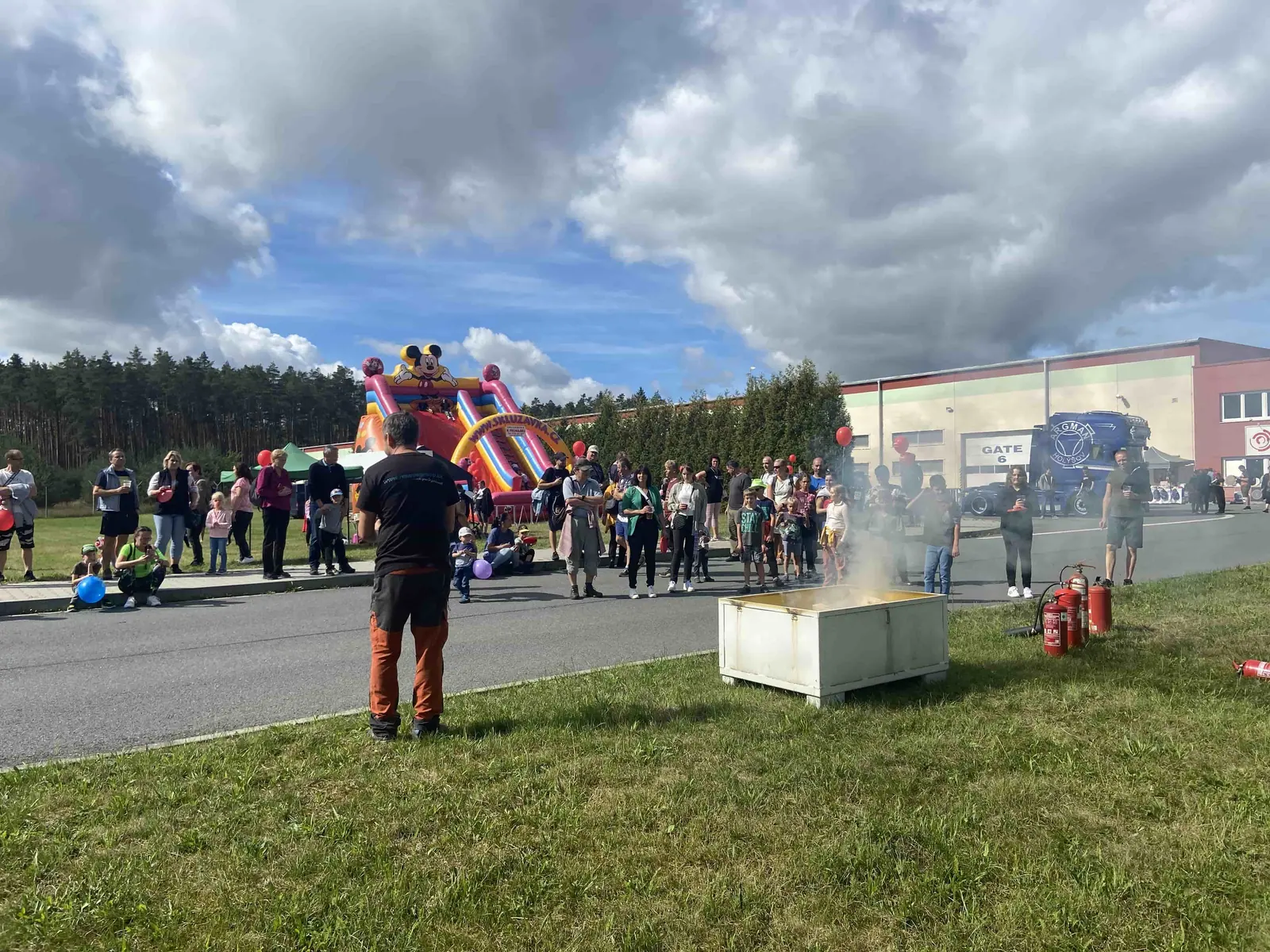
At Rescue Group we specialise in crisis management, first aid training and fire protection to help companies prevent these risks and minimise their impact. Our services go beyond simply meeting legal obligations – we offer comprehensive solutions that include risk analysis, creating crisis plans and practical training that prepares your employees for real situations. For example, our first aid training teaches how to respond quickly to injuries or cardiac arrest, while our fire safety courses include firefighting practice, which can save both property and lives. Preparing for a crisis is a strategic investment that protects not only your employees and property, but also the long-term stability and growth of your business. Companies that work with us report not only fewer incidents, but also greater employee trust and a better reputation with partners.
Prevention is the key to a company’s resilience – whether it is preventing a fire through regular safety audits or saving a life thanks to first aid training. At Rescue Group we will help you create a safe environment that can withstand even the most demanding situations.
Step 1: Carry out a risk analysis and identify weak points
The first step in protecting a company is thoroughly understanding the risks it faces, because every workplace has its own specific hazards. A manufacturing plant may be threatened by a fire caused by faulty wiring, machine breakdowns or inadequate equipment maintenance, which can interrupt production and cause significant financial losses. Office environments face risks such as medical emergencies – for example, an employee suffering cardiac arrest during working hours – or leaks of chemicals from cleaning products, which can irritate the skin or airways. Retail shops may be threatened by theft, customers falling on wet floors or overloaded electrical circuits. A risk analysis involves systematically mapping these potential threats, assessing their likelihood and impact, and identifying weak points such as inadequate escape routes, a lack of employee training, outdated fire equipment or a lack of signs marking dangerous zones.
A proactive approach to risk analysis is key not only for preventing crises, but also for meeting the legal requirements of the occupational health and safety legislation. For example, the Czech State Office for Labour Inspection can impose fines of up to CZK 2 million during an inspection for a missing risk analysis or inadequate safety measures. Being unprepared also increases the risk of serious incidents – for example, a fire without working fire extinguishers can injure dozens of employees and cause damage running into millions of crowns. We offer expert safety audits that uncover hidden risks and give specific recommendations for removing them. Our team will check fire systems, the availability of first aid kits, the functionality of escape routes and compliance with OHS legislation. At a manufacturing company, for example, we may identify the risk of fire from overheating machinery and propose installing modern fire detectors, while in an office we will make sure there is access to a defibrillator in case of cardiac arrest.
This step not only maximises employee safety, but also provides a solid foundation for creating a crisis plan tailored to your company’s needs. Safety audits help companies avoid financial losses and legal penalties, while increasing the trust of employees, who know they work in a safe environment. In the long term, they strengthen the company’s reputation as a responsible employer, which can attract high-quality workers and strengthen relationships with business partners.

Step 2: Create and update a crisis plan
The crisis plan is the heart of preparing for unexpected situations. This document should contain clear procedures for different scenarios, such as a fire, a chemical leak or a serious injury. Its key elements include:
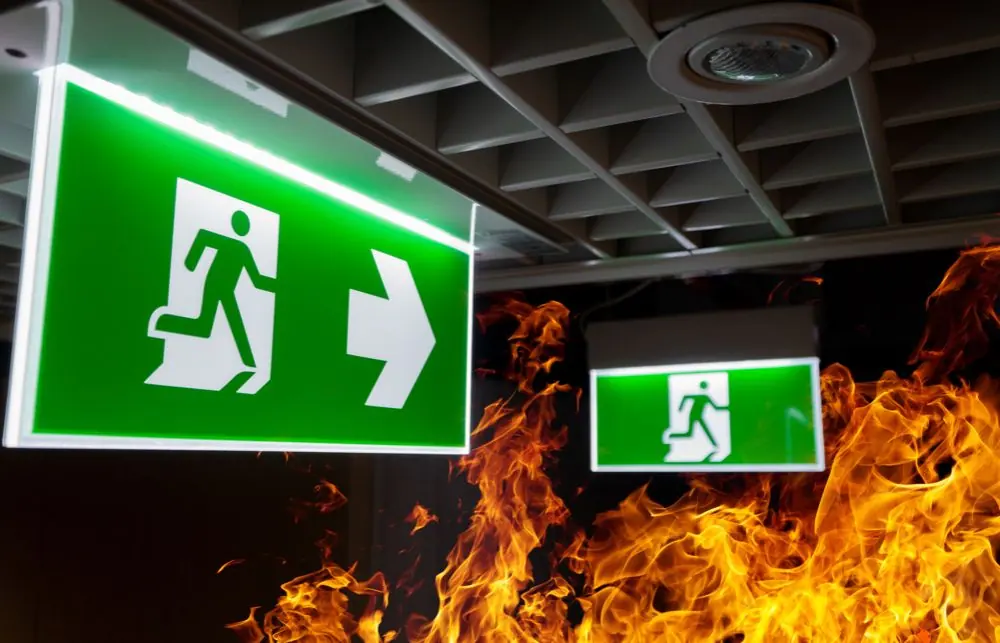
- Escape routes and assembly points: marked routes and safe zones for evacuation.
- Contact persons: designating the people responsible for coordination during a crisis.
- Communication procedures: instructions for contacting the emergency services and informing employees.
- First aid resources: the location of first aid kits and defibrillators and a list of trained people.
At Rescue Group we help companies create tailor-made crisis plans and make sure they are updated regularly. For example, after a workplace is rebuilt, we review the evacuation plans to make sure they still work. A well-designed plan not only reduces risks, but also builds employees’ confidence that they are in a safe environment.
Step 3: Train employees to respond quickly and correctly
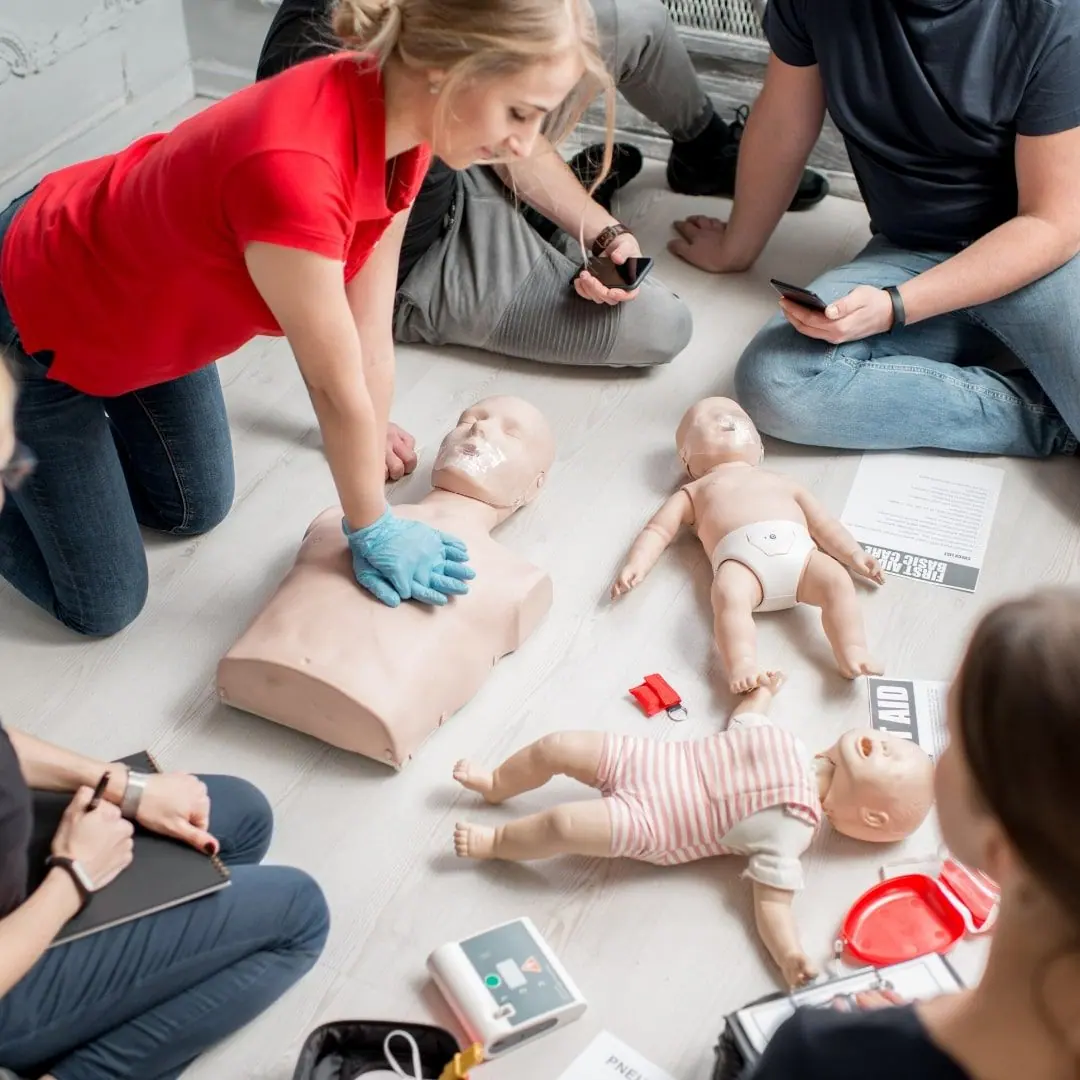
Even the best crisis plan remains just a piece of paper if employees do not know how to use it in practice. Training in first aid, fire protection and crisis management is essential for equipping the team with skills that can save lives and minimise damage in emergencies. Employees must be able to respond quickly and correctly – whether giving first aid after an injury, using a fire extinguisher on a fire that is just starting, or coordinating an evacuation without the panic that could make things worse. For example, when a colleague suffers cardiac arrest, every minute counts, and only a trained employee can give first aid and so increase the chance of survival. Similarly, in a warehouse fire, quick use of a fire extinguisher can stop the fire spreading and protect the company’s property.
We offer courses that combine theoretical knowledge with intensive practical exercises, so that employees gain not only skills, but also confidence in handling crises. Our first aid training covers a wide range of scenarios – from treating minor injuries such as cuts to handling serious conditions such as cardiac arrest. Our fire safety courses include firefighting simulations and evacuation drills that teach employees how to recognise danger and respond effectively. As well as technical skills, we emphasise developing the ability to stay calm and coordinate the team in stressful situations, which is key to minimising chaos. According to studies, up to 70% of employees who complete first aid training report greater confidence in dealing with crises, and 80% of them feel more valuable team members thanks to their new skills.
Training is not only about handling crises – it has a deeper impact on the company environment. Regular courses strengthen team cohesion, because employees work together in practical exercises and learn to rely on each other. They also create a safety culture in which prevention and responsibility are a firm part of day-to-day operations. Psychologically, training gives employees a sense of security, reduces the stress associated with potential risks and increases their loyalty to a company that invests in their safety. For the company, this means lower staff turnover, higher productivity and a stronger image as a responsible employer.
We tailor our courses to the needs of your company – whether you run a production hall, an office or a shop. Our training brings real practical experience and is designed to be engaging and effective. Investing in employee training is an investment in the resilience of your business.
Step 4: Invest in equipment for emergencies
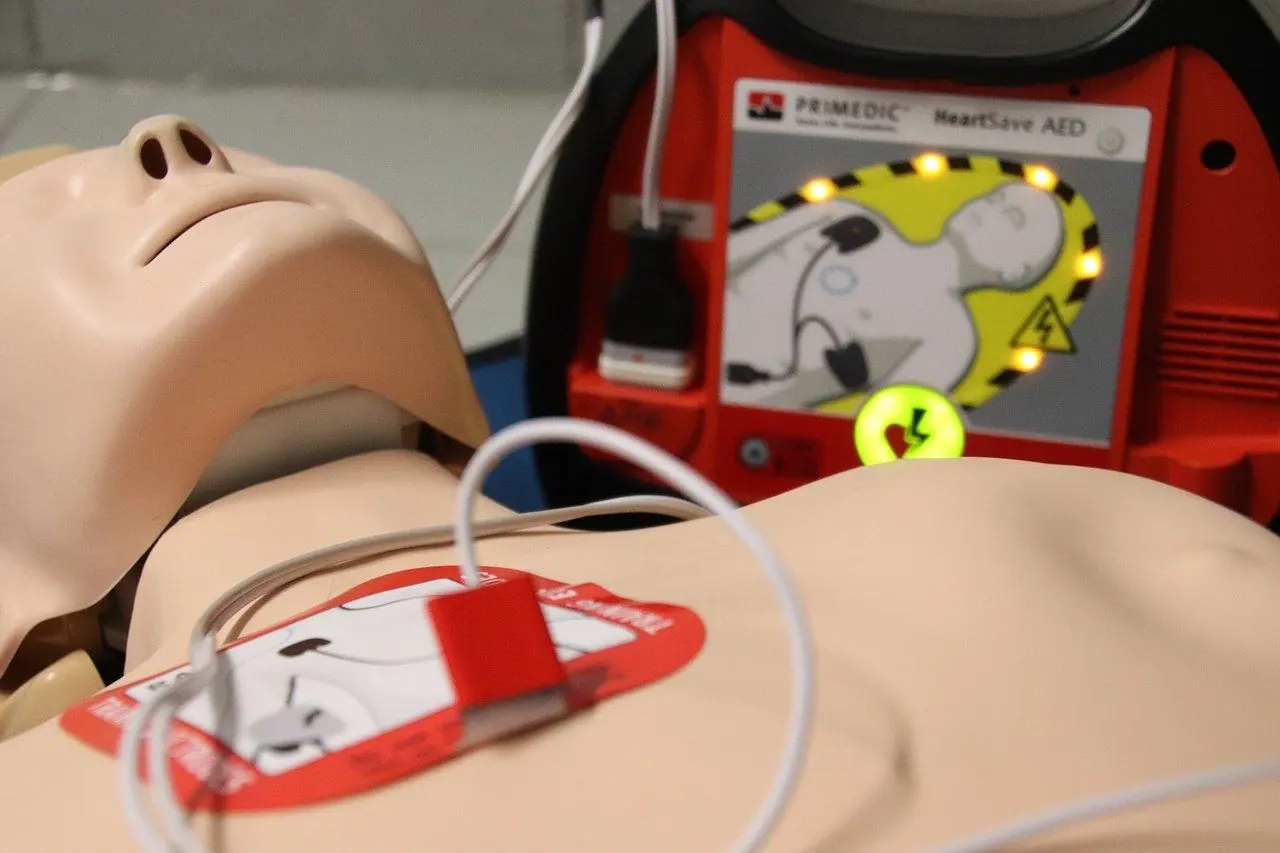
The right safety equipment can be the deciding factor in handling a crisis and protecting lives, property and the company’s reputation. Every company, whether an office, a production hall or a shop, should have basic equipment available, such as first aid kits, fire extinguishers and automated external defibrillators (AEDs). For example, an AED can increase the chance of surviving cardiac arrest by up to 75% if it is used within 3 minutes of the collapse – each additional minute of delay reduces the chance of survival by 10%. Fire detectors detect smoke within seconds and allow a timely evacuation, while portable fire extinguishers can stop a fire in its early stages, for example one caused by a short circuit in electrical equipment, and prevent it spreading and causing damage running into millions of crowns. First aid kits allow minor injuries such as cuts or burns to be treated quickly, reducing the risk of complications and supporting immediate care on the spot.
At Rescue Group we provide not only the sale, installation and maintenance of defibrillators and fire equipment, but also comprehensive support to help companies choose equipment suited to their needs. In an office environment, for example, we recommend a compact, easy-to-use AED. In manufacturing plants, we install advanced fire detectors and fire extinguishers suitable for chemical fires. Regular maintenance is key – we check that AEDs are working, restock first aid kits and test fire extinguishers so that they comply with Czech (ČSN) standards and are ready for immediate use. These services meet the strict legal requirements for occupational health and safety, which oblige companies to keep safety equipment in perfect condition.
Investing in safety equipment goes beyond simply meeting legal obligations – it has a profound impact on the company culture and reputation. The presence of an AED and working fire extinguishers signals to employees that their safety is a priority, which increases their trust and loyalty. According to surveys, up to 85% of employees consider a safe working environment a key factor in choosing an employer. For business partners and customers, a well-equipped company is a sign of responsibility and professionalism, which strengthens competitiveness. We help companies create an environment where employees feel protected and the risk of crises is minimised. Our services include not only supplying equipment, but also advising on where to place it and how to integrate it into the overall safety strategy.
Step 5: Test and improve your preparations regularly
Preparing for a crisis is not a one-off, but a continuous process that requires regular testing and improvement so that the company stays resilient to unexpected events. Fire simulations, evacuation drills and practical first aid scenarios help reveal gaps in the plans and improve employees’ responses. For example, a simulation will show whether escape routes are accessible, and a first aid exercise will reveal how quickly the team can respond to an injury. These activities are not only about technical preparedness, however – they support strategic thinking and the company’s adaptability in a rapidly changing environment.
We organise workshops and simulations that involve real scenarios, such as rescuing an injured colleague or evacuating during a fire. These activities not only increase preparedness, but also support teamwork. We recommend that companies carry out simulations at least once a year and update their plans after changes, for example when operations expand or new employees join. Regular testing brings companies tangible benefits. According to research, up to 60% of companies that test their crisis plans regularly handle real crises with lower losses and a faster return to normal operations.
Regular simulations strengthen a company culture focused on prevention and responsibility, which increases the company’s resilience in the long term. Employees who take an active part in testing become aware of their role in safety and feel more involved, which reduces turnover and supports loyalty. For management, these exercises are an opportunity to strengthen strategic decision-making and build a reputation as a reliable employer. We will help you set up a regular testing cycle to make sure your company is always one step ahead of potential crises.
Why choose Rescue Group
Preparing for a crisis requires expertise, time and resources that not every company has readily available. At Rescue Group we offer comprehensive solutions that cover every aspect of crisis preparedness – from risk analysis and creating crisis plans to training and supplying equipment. Our services are carefully tailored to the needs of your business, whether you run an office with ten employees, a production hall with heavy machinery or a shop with a high footfall. Our experienced team combines practical experience from real interventions with in-depth expertise to make sure your company is ready to face any unexpected situation with minimal impact.
Our added value lies in an individual approach and the ability to integrate safety measures into the company’s day-to-day operations. For a logistics centre, for example, we develop a strategy that takes into account the risks associated with handling pallets or storing hazardous substances, while for schools we design procedures for safely evacuating children and communicating with parents during a crisis. This approach not only increases the company’s resilience, but also helps prevent financial losses – according to estimates, effective crisis preparation can reduce the costs of recovering from an incident by up to 40%. Working with us also protects the company’s reputation, because demonstrable care for safety strengthens the trust of employees, customers and business partners. At a time when, according to surveys, 78% of consumers prefer companies with transparent safety standards, this trust is an invaluable competitive advantage.
As well as crisis management, we provide first aid training and fire protection that complement your safety strategy. But our services go further – we offer ongoing advice that helps companies keep up with changing legal requirements, such as amendments to the law. Working with us means not only meeting your obligations to the state, but also creating an environment where employees feel protected and motivated, contributing to higher productivity and lower staff turnover.
Long-term cooperation brings companies not only peace of mind, but also tangible results – from a lower risk of incidents and cost savings to a stronger reputation as a reliable business. Whether you want to start from scratch or improve existing safety processes, we are here to guide you through every step. Do not leave safety to chance.

Start preparing for a crisis today
An unexpected crisis can come at any time and without warning, whether a natural disaster, a technical fault or a human error that disrupts your business. Proactive preparation, however, can fundamentally change how your company handles such situations and ensure it stays functional, competitive and trustworthy. With our professional services – from risk analysis, crisis plans, employee training and equipment to regular testing – you can protect your employees, property and reputation. At Rescue Group we are your strategic partner on the road to safety, providing solutions that save you time, reduce risks and increase confidence.
Proactive preparation with Rescue Group helps prevent serious legal and financial risks. For example, an incident that is handled unprofessionally can lead to lawsuits or penalties for breaching OHS rules. Our services allow you not only to avoid these costs, but also to minimise business interruption, which according to studies causes an average 30% drop in revenue in the first weeks after a crisis. Beyond the financial benefits, working with us strengthens competitiveness – companies with robust safety processes are more attractive to investors and partners because they demonstrate responsibility and foresight. According to surveys, 65% of investors consider crisis preparedness a key factor in assessing a company’s stability. Do not leave your company’s future to chance – take the first step towards resilience today.
Contact us and together we will set up a safety strategy that protects your business and supports its growth.