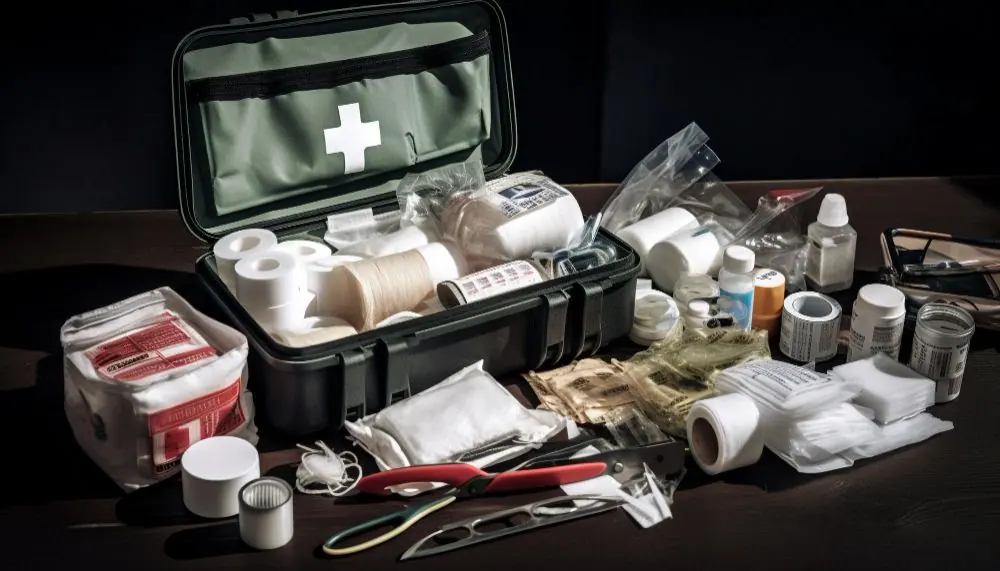
Whether you are at home, at work or on holiday, a first aid kit is one of the most important things to have to hand. It is the first helper that can provide vital support in the event of minor injuries, unexpected illness or even life-threatening situations. But choosing the right first aid kit is not just a matter of buying the first one available. It is a strategic decision that takes into account your needs, your lifestyle and the circumstances in which the kit will be used. In this article we present six key tips to help you choose and put together a first aid kit that meets your individual needs and gives you peace of mind in an emergency.
The main things to consider when choosing a first aid kit
- Size and capacity – the size of the kit is one of the first factors to consider. If you plan to use it at home or in the office, a smaller version may be enough. For outdoor activities or travel, however, it is better to choose a larger kit that will hold everything you need. It is important that the kit is roomy enough for all the contents you need, but not so big that it is uncomfortable to carry.
- Layout and organisation – good organisation can save time and frustration in an emergency. Check whether the kit has separate compartments, pockets or elastic straps for arranging the individual items. Having all medicines, dressings and tools clearly arranged lets you respond faster when needed.
- Durability and material quality – the quality of the material has a major impact on how well the contents are protected. Choose a kit made of durable material that resists wear and protects the contents from external influences such as moisture or mechanical damage. Nylon or waterproof materials are often suitable for outdoor activities, while rigid plastic kits can be ideal for home use.
- Visibility and accessibility – it is important that the contents are easy to see and reach. Kits with transparent pockets or lids give you a quick overview of the contents and easy access to what you need, minimising the time spent looking for a specific item in an emergency.
- Inclusive contents – the contents should match your individual needs and take into account the common risks you face. The basic equipment should include items such as plasters, bandages, disinfectant, antiseptic wipes, painkillers, antihistamines and any other medicines you consider important for your situation.
- Expiry dates – check the contents of the kit regularly and keep an eye on the expiry dates of all medicines and sterile dressings. Old or expired items must be replaced to keep the kit effective and safe. Updating the contents periodically is key to keeping the kit effective in an emergency.
More tips for choosing a first aid kit
Specific needs: consider your specific health needs and the circumstances in which you plan to use the kit. If you have allergies or chronic conditions or take regular medication, the kit should contain everything you need to look after your health.
Emergencies: think about the potential emergencies you might face and adapt the contents accordingly. For example, if you live in an area prone to natural disasters, it may be useful to include basic survival equipment such as candles, food or a flask of water.
Children and family: if you have young children or family members with specific health needs, the kit should contain items suitable for their care – for example plasters with pictures, children’s medicines or special equipment for caring for babies.
Expert advice: if in doubt, ask a doctor or pharmacist about the contents and set-up of your kit. They can give you useful advice and recommendations based on your individual needs and state of health.
Practising first aid: if you plan to use the kit for first aid practice or outdoor activities, remember that it should contain additional equipment and tools specific to those activities, such as emergency blankets, splints or a GPS locator.
Education and training: remember that using a first aid kit requires knowledge of first aid and basic medical procedures. First aid training and education can significantly increase the effectiveness of your kit and your ability to respond quickly and correctly in an emergency.
These additional tips will help you tailor your first aid kit even better to your individual needs and ensure effective care for your health and safety in any situation. We can also advise you on occupational health and safety.
Let us advise you on first aid kits for your company.