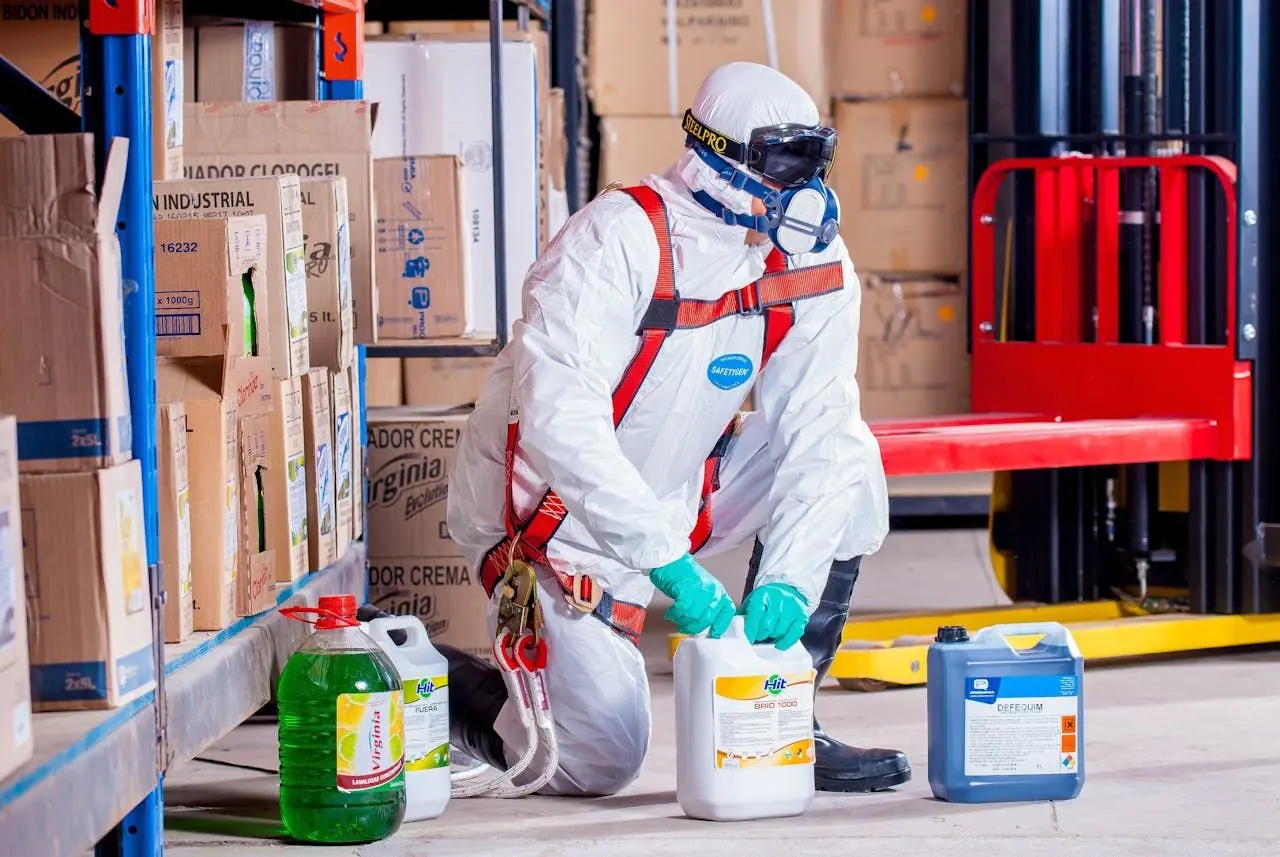
Every employer must make sure that employees receive first aid in the event of an injury or sudden illness. In practice, this means equipping the workplace with a first aid kit, deciding who will step in, and preparing employees for such a situation.
What the law requires: first aid as an obligation
The employer is responsible for ensuring that first aid is available in the workplace, regardless of the size of the company or the type of work. The obligation stems from the Labour Code and related government regulations on occupational safety.
The employer must equip the workplace with first aid supplies, instruct employees on what to do after an injury and make it possible to call medical help quickly. The law does not specify exactly how many first aid kits a company needs or what they must contain. The scope of equipment is based on the risk assessment of the specific workplace. An office has different needs from a workshop, a warehouse or a construction site.
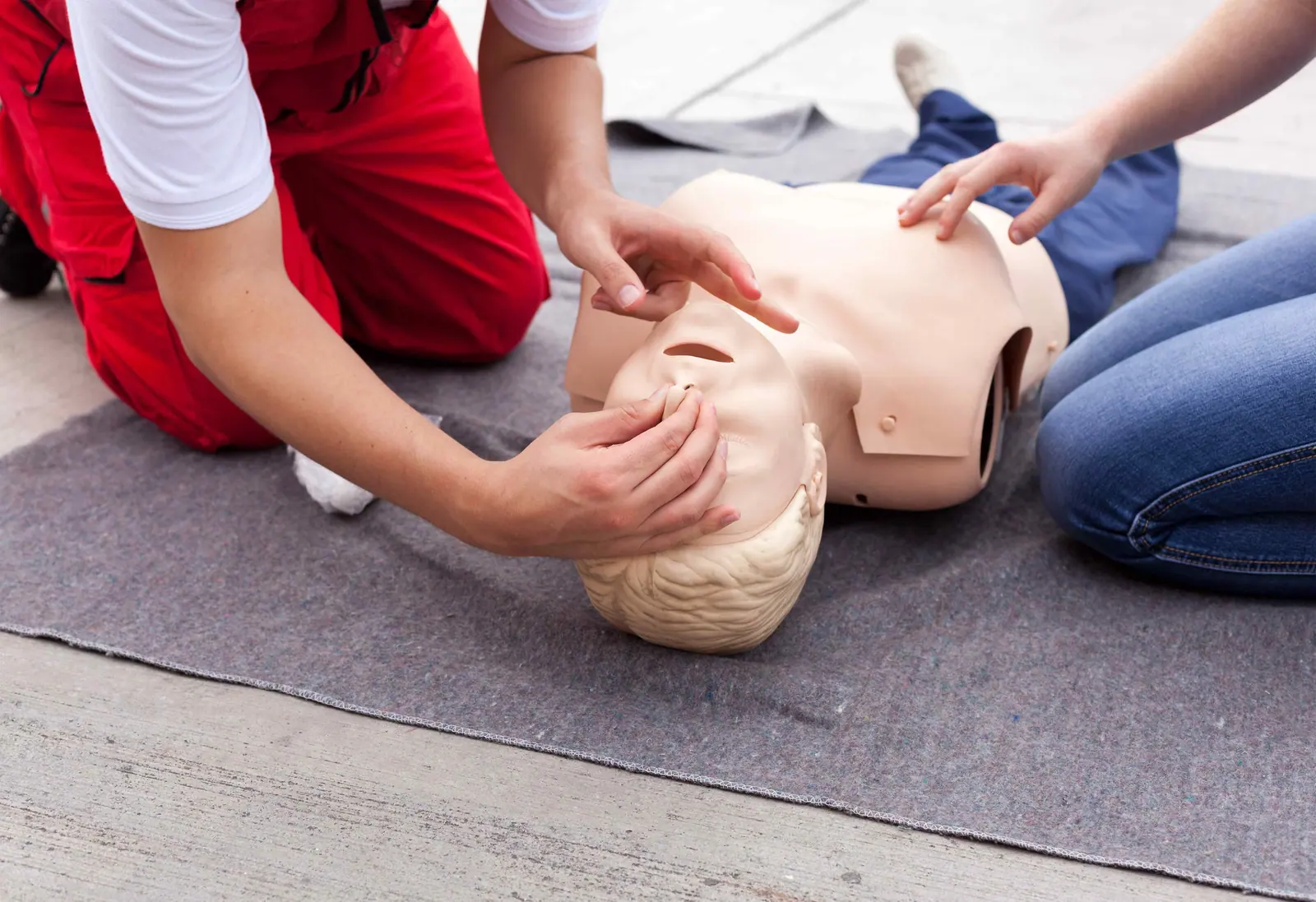
Workplace first aid kit: what it must contain and where to keep it
A workplace first aid kit must be clearly marked, easy to reach and always complete. The law does not prescribe a single list of contents for workplaces, so the company sets it according to the risks and the activities its employees carry out.
The basic contents of a standard workplace first aid kit are:
- Dressings, sterile pads and plasters
- Bandages and a triangular bandage
- Wound disinfectant and scissors
- Disposable gloves and a CPR face shield
Keep the first aid kit in an easily accessible place, ideally so that it can be reached within a few seconds when needed. The first aid kit should not be locked. Appoint a person who checks its condition and replaces used supplies. In particular, keep an eye on expiry dates, as expired disinfectants and dressings no longer do their job. In larger operations, it pays to have a first aid kit in every hall or on every floor.
What to do after a workplace injury
First, make sure there is no danger to you or the casualty. Check their responsiveness and breathing. If they do not respond and are not breathing normally, call 155 immediately, ideally on speakerphone, and start CPR as instructed by the dispatcher.
The basic procedure follows a clear order. Stop the machine or remove the source of danger so the injury does not happen again. Check whether the casualty responds and is breathing. If not, call the emergency medical service and start CPR. If they are conscious, find out what happened and treat the injury. Send someone to meet the ambulance and guide the crew to the scene. Also document the injury, as the company is obliged to keep a record of the injury and investigate its causes.
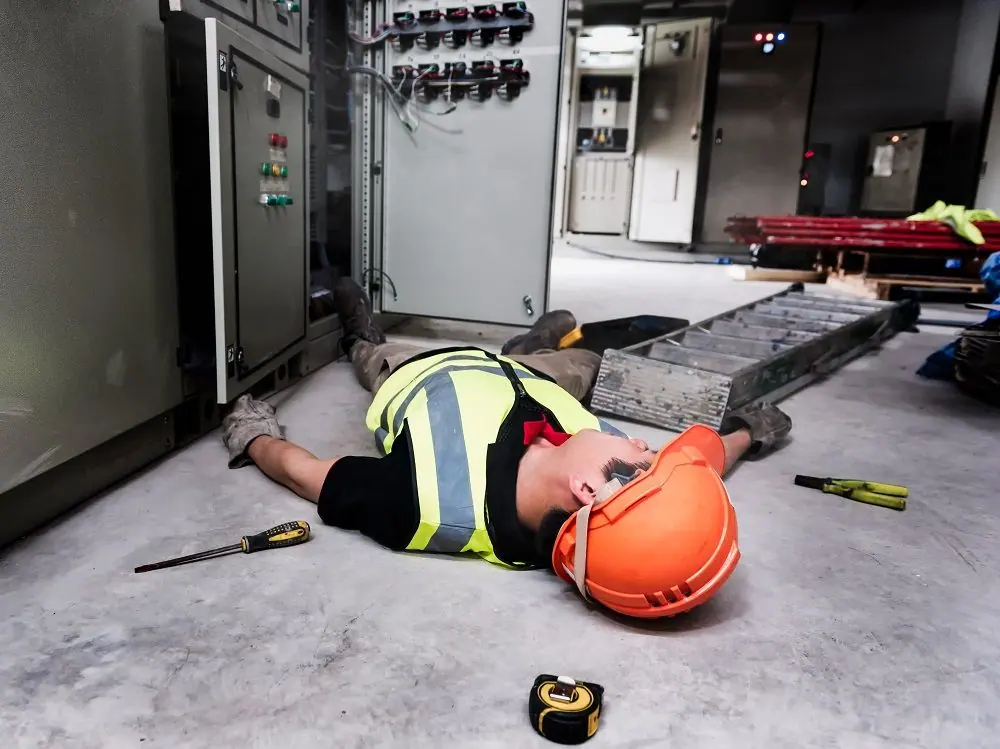
The most common workplace injuries and how to treat them
The most common workplace injuries are cuts, burns, fractures, falls from height, electric shocks and chemical splashes to the eyes. Each of them calls for a different response, but every employee can learn the basic principles.
The table below summarises what to do first, what to avoid and when to call the emergency medical service. In the event of any serious injury, or if in doubt, call 155 or 112 and follow the dispatcher’s instructions.
| Injury | What to do | What to avoid | When to call 155 |
|---|---|---|---|
| Cut, heavy bleeding | Press a clean dressing onto the wound and apply a pressure bandage. If blood soaks through, add another layer. | Do not remove a soaked dressing. Do not rinse a deep wound or pull out embedded objects. | For heavy bleeding you cannot stop, or a deep wound. |
| Burn | Cool with lukewarm running water for about ten to twenty minutes. Then cover with a sterile dressing. | Do not apply ointment, do not pop blisters and do not pull off clothing stuck to the skin. | For extensive burns, burns to the face, or chemical and electrical burns. |
| Fracture or suspected fracture | Immobilise the injured limb in the position in which the casualty is holding it. | Do not straighten the limb and do not move the casualty unless necessary. | For an open fracture, a deformed limb or severe pain. |
| Fall from height | Do not move the casualty, talk to them and monitor their breathing. Keep them calm and warm. | Do not roll them over or lift them unless there is further danger. They may have a spinal injury. | Always. |
| Electric shock | Switch off the power first, and only then touch the casualty. Check consciousness and breathing; in case of cardiac arrest, start CPR. | Do not touch the casualty while they are still live. Otherwise you put yourself at risk too. | Always, even if the casualty feels fine. The heart can fail with a delay. |
| Chemical splash to the eyes | Rinse the eye with lukewarm running water for at least fifteen minutes, holding the eye open. Have the substance’s safety data sheet to hand. | Do not rub the eye and do not use neutralising solutions. | For corrosive substances or if symptoms persist. |
CPR and AED defibrillators in the workplace
If the casualty does not respond and is not breathing normally, call 155 and start chest compressions immediately. Press the centre of the chest to a depth of five to six centimetres at a rate of roughly 100 to 120 compressions per minute, and alternate them as instructed by the dispatcher or at a ratio of thirty compressions to two rescue breaths.
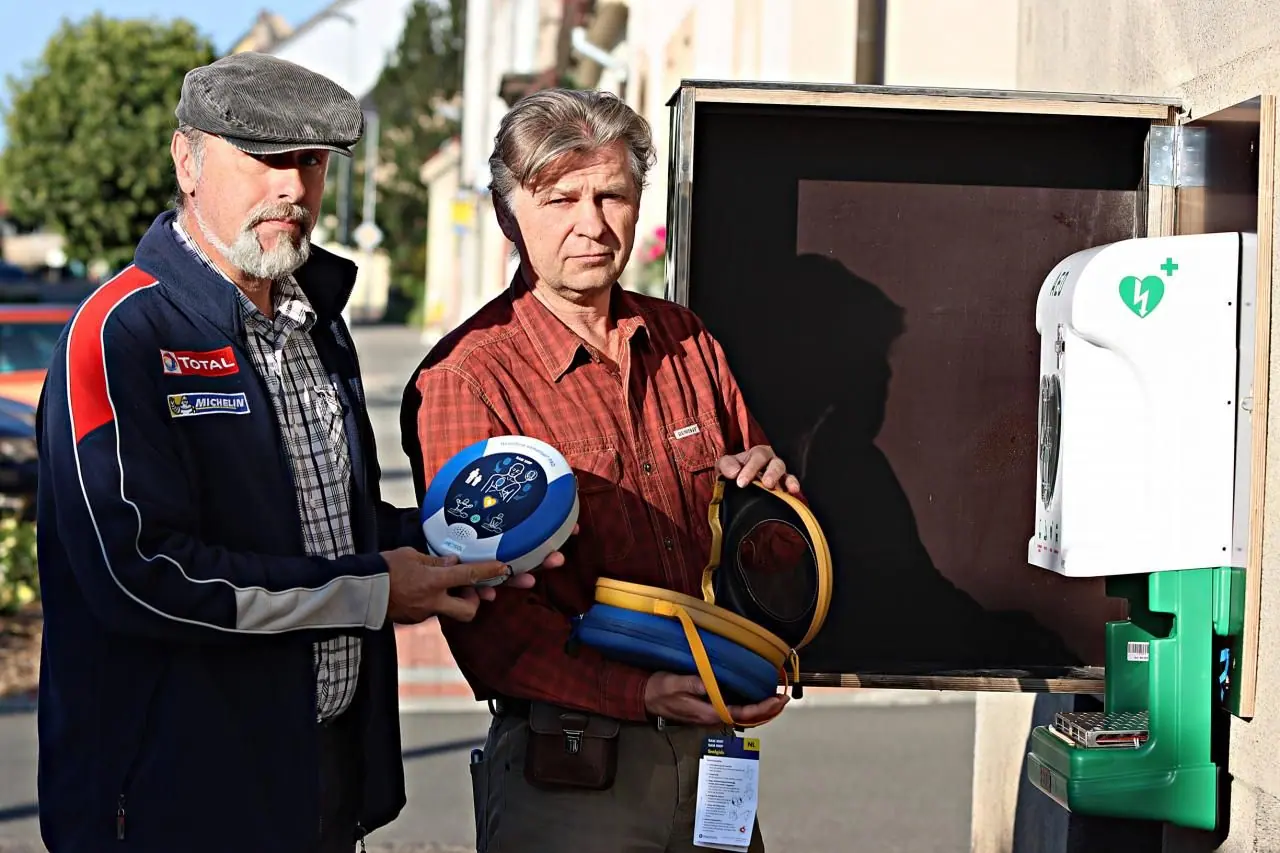
The early use of an automated external defibrillator greatly increases the chance of survival. The AED analyses the heart rhythm by itself and guides the rescuer step by step with voice prompts, so even a layperson can use it. Companies with more employees, visitors or higher-risk operations are therefore increasingly installing an AED in a visible place, ideally near the entrance or in the main corridor.
First aid training for employees
The employer must make sure that employees are able to give first aid, but the law does not set a single training interval. Experience shows that refreshing it every two years works well, and more often in higher-risk operations.
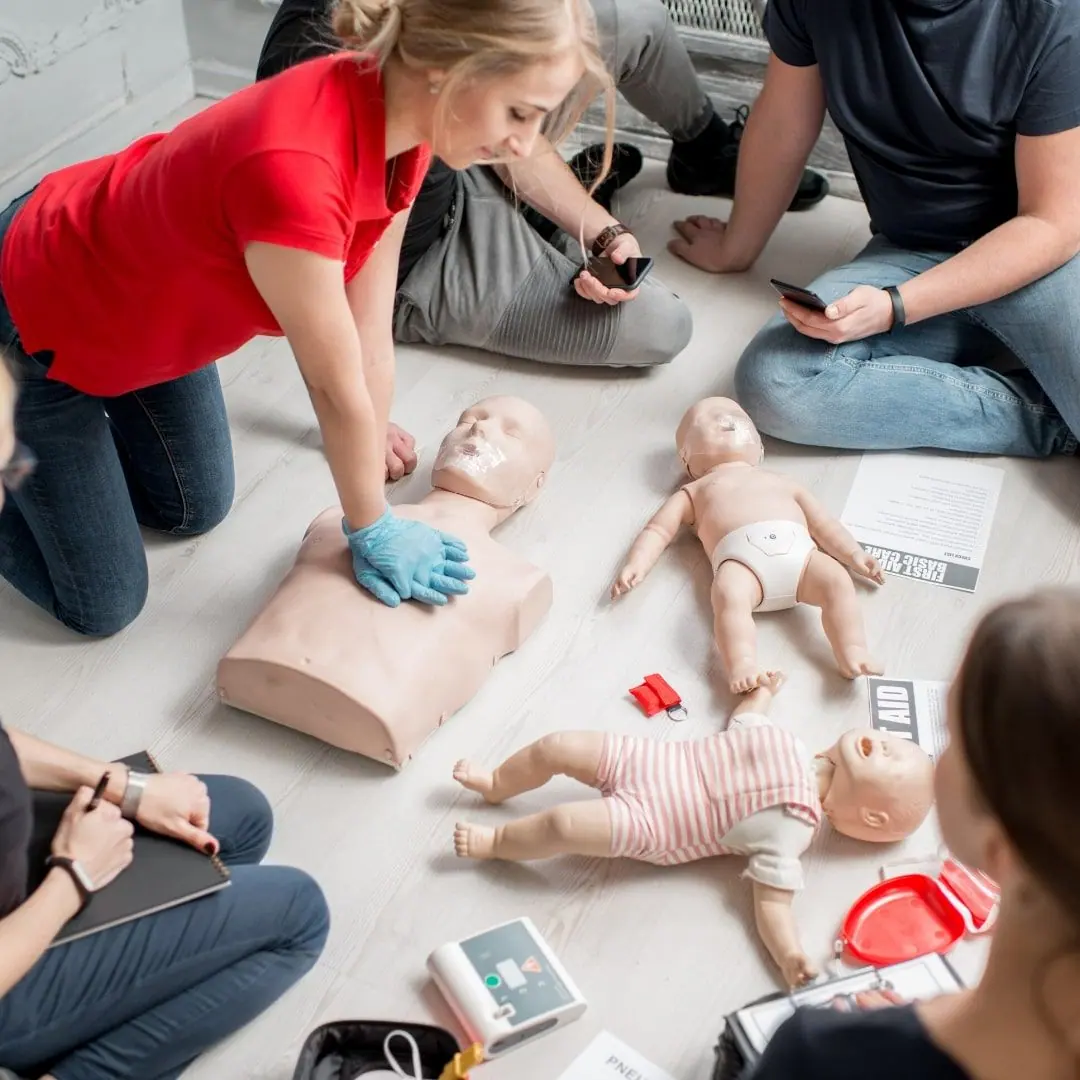
First aid skills fade quickly without practice, so do not rely on a single course when an employee starts. The best results come from hands-on training on a manikin, practising CPR, bandaging and AED use, not just a presentation. Training is led by a qualified person, a medic or a first aid instructor. We recommend tailoring the content to the specific workplace. Employees in a workshop need to practise different situations from those in an office. First aid training can also easily be combined with OHS and fire safety training on a single date.
Prepare your company
First aid in the workplace is not a formality but an obligation that protects both employees’ health and the company. A well-equipped first aid kit, a clear procedure after an injury, an accessible AED and regular training create a system you can rely on. If you are not sure how to set up first aid in your company, get in touch with us – we will assess the risks and propose a solution tailored to your operation.
Frequently asked questions (FAQ)
Does every company need a first aid kit?
Yes, the employer must provide accessible first aid supplies at every workplace. The law does not set uniform contents for the first aid kit, so the company determines the scope of equipment based on its risk assessment.
How often must workplace first aid training be repeated?
The law does not set a single deadline; the employer determines the interval based on how risky the operation is. In practice, repeating it every two years works well, and more often in higher-risk operations.
Is an AED defibrillator mandatory in the workplace?
The law does not generally require an AED in the workplace. For companies with more employees, visitors or higher-risk operations, however, installing an AED improves safety, because an early shock dramatically increases the chance of survival in cardiac arrest.
Who provides first aid training in the workplace?
Training is led by a qualified person, a medic or an experienced first aid instructor. A good instructor tailors the content to the risks of your workplace and offers hands-on training on a manikin, including AED use.
Need high-quality first aid training for your company?
No-obligation consultation