Workplace safety is not only about protecting employees physically, but also about their mental well-being. Psychological first aid (PFA) plays a key role in handling crises such as workplace injuries, tragic events or conflicts at work. Yet it receives less attention in OHS than it deserves. As an expert in safety and crisis preparedness, Rescue Group helps companies create crisis plans, deliver training and set up processes that can also include recommendations for effective psychological support for employees in difficult situations.
What psychological first aid (PFA) is and why it matters
Psychological first aid (PFA) is immediate support given to people who find themselves in a crisis, and it is a key tool for stabilising their mental state in the first minutes and hours after an event. Unlike physical first aid, it does not deal with bodily injuries, but focuses on the person’s mental state, emotional reactions and ability to cope with sudden stress, shock or trauma. Its aim is to help the person get their bearings, ease acute psychological strain and create a safe environment in which they feel heard, understood and cared for.
Psychological first aid plays a fundamental role in preventing the long-term consequences of crises – such as post-traumatic disorders, anxiety or a loss of work performance. Properly given PFA supports a return to normal functioning and reduces the risk of short-term shock turning into chronic psychological problems. In the workplace, the need for PFA arises not only among those directly involved in unexpected situations such as workplace injuries, fires or serious conflicts, but also among witnesses to these events, who can be just as affected psychologically.
A great advantage of PFA is its simplicity – ordinary employees and managers without any training in psychology can learn the basic rules. What matters is that at a moment of crisis they can stay calm, listen, offer support and arrange further professional help. That is also why psychological first aid is now seen as an inseparable part of modern approaches to occupational safety, in which companies try to protect not only their people’s physical health, but also their mental resilience and well-being.
Situations in the workplace of this kind may include:
- A workplace injury to an employee
- The death or serious injury of a colleague
- A fire, accident or other emergency
- A physical or psychological attack in the workplace
- Conflicts and bullying that can lead to psychological destabilisation
Properly given psychological first aid can help an employee cope with the initial shock, prevent post-traumatic problems from developing and support a faster return to work.
PFA as part of the company’s safety culture
When setting up OHS, most companies naturally focus above all on preventing injuries, accidents and other physical threats that can occur in the workplace. They emphasise first aid training, fire protection, safety signs and evacuation plans – which is unquestionably essential. In many cases, however, an equally important question is overlooked: how will employees cope psychologically with a crisis, and what tools will the company give them to do so?
Stress, shock and trauma can have just as serious consequences as physical injuries – the difference is that their symptoms tend to be hidden and often only fully show themselves later. If a company underestimates its people’s psychological needs, it can lead to a whole range of long-term problems that directly affect the running of the business. A lack of support after a crisis can mean worse working relationships, disrupted teamwork, a loss of trust in management, higher staff turnover, lower productivity or even the development of anxiety, burnout or post-traumatic stress disorder among employees.
For companies, this is not only a human problem, but also an economic one – long-term sickness absence, higher costs of training new people and disrupted operations are just some of the possible consequences. Prevention in the form of a well-thought-out crisis plan that also includes psychological support for employees therefore becomes a key part of sustainable occupational safety management.
That is why we recommend that employers take a comprehensive view when planning OHS – considering not only physical safety, but also the team’s psychological resilience. This is exactly where Rescue Group can offer valuable ideas and support in creating crisis plans, training managers and setting up clear processes that prepare the company for even the most difficult situations – and help it come out of them stronger and more stable.
Psychological safety in the workplace brings a whole range of significant benefits that have a positive effect both on team performance and on the overall atmosphere in the company. When employees are confident that their mental health receives the same care as their physical safety, their ability to cope with stressful situations and respond effectively to emergencies increases. This minimises the long-term effects of traumatic experiences, which could otherwise lead to lower motivation or the departure of key team members.
It also strengthens trust between employees and management, which is a basic prerequisite for a healthy, functional working environment. When employees know they can rely on the company’s support in difficult situations, their loyalty and willingness to help solve problems grow. Ultimately, psychological safety increases the stability and resilience of the whole team, which can then cope better with crises and maintain a high level of cooperation even in difficult times.

Crises and their impact on employees
Crises in the workplace can have a far-reaching impact not only on employees’ physical health, but also on their mental well-being, which in turn affects overall work performance, team dynamics and the long-term stability of the company. Whether it is a workplace injury, the death of a colleague or another traumatic event, the resulting stress, shock and trauma can have a very strong effect on workers’ mental health. If this psychological impact is not dealt with promptly and appropriately, it can turn into long-term problems that harm not only individuals, but the whole working environment.
Imagine a serious workplace injury happens in your company. As well as the immediate physical injury, employees also go through a deep psychological shock. What happens if the company does not focus on providing psychological support and effective crisis communication? The team’s health can be seriously at risk. If employees do not feel adequately supported and have no room to express their emotions, they often experience anxiety, depression or a loss of motivation. These hidden psychological problems can affect their productivity and morale. The consequences can deepen if team relationships break down, trust in the leadership falls or even long-term psychological disorders such as post-traumatic stress disorder or burnout develop.
The consequences of this “hidden injury” are not obvious at first sight and may only appear later. Disturbed mental stability among employees can start to affect a whole department, worsen performance, increase absence and even lead to key workers leaving. Without an appropriate response, such problems can in the long run become not only a human, but also an economic problem for the company, which ultimately affects its overall efficiency and ability to compete in the market.
How the right response can help
On the other hand, companies that respond to crises appropriately and in good time have a chance not only to minimise the negative impact on their employees’ mental health, but also to significantly improve the stability and performance of their team. Psychological first aid (PFA) – immediate support at moments of crisis – is one of the key tools for easing the stress and shock caused by traumatic events. The aim of PFA is to help employees cope with sudden stress, stabilise their mental state and create a safe environment in which they can feel understood and supported. With properly organised psychological support, workers can get over the trauma more quickly and return to work with minimal losses.
Psychological support for employees matters not only for those directly caught up in a crisis, but also for witnesses to these events. Many people who experience shocking events as witnesses can have emotional reactions as strong as those of the people directly involved. A properly designed crisis plan should also take these workers into account and ensure they receive appropriate psychological care.
Prevention is always better than dealing with the consequences afterwards. If a company includes psychological first aid and crisis communication in its crisis plan when planning OHS, it enables its employees to face crises with greater resilience. This approach not only increases their psychological resilience, but also strengthens their trust in the company and its management. Employees who are confident that the company genuinely cares about their mental health will feel supported and safe, which will have a positive effect on their loyalty and engagement at work.
Risks and benefits of responding correctly to crises
Neglecting psychological support can lead to the following problems:
- Loss of motivation and productivity: if a crisis is not dealt with immediately, workers may experience a drop in motivation and performance.
- Psychological problems: anxiety, depression or post-traumatic stress disorder (PTSD) can develop if adequate support is not provided.
- Weaker team cohesion: a crisis can damage relationships between colleagues and worsen team dynamics.
- Higher turnover and absence: unresolved psychological problems can lead to more frequent absences or even the departure of key employees.
Psychological safety in the workplace brings a number of significant benefits that show up directly in team performance and in the overall atmosphere in the company. When employees are confident that their mental health receives the same care as their physical safety, their ability to cope with stressful situations and respond effectively to emergencies increases. This minimises the long-term effects of traumatic experiences, which could otherwise lead to lower motivation, higher turnover or even the departure of key team members.
Companies that focus on ensuring both physical and psychological safety strengthen the stability and resilience of the whole team. As a result, the team can handle crises better, maintain a high level of cooperation even in difficult times and deliver stable performance for the company over the long term.
Given these factors, psychological safety is becoming not only a necessity for every responsible company, but also a key factor in its long-term success. That is why more and more companies are deciding to integrate psychological first aid into their crisis plans and safety strategies, allowing them to protect employees not only from physical threats, but also from the psychological consequences of crises.
Rescue Group is here to help you create effective crisis plans that cover not only physical safety, but also the psychological well-being of your employees. Our experience and expert training help companies make sure they are prepared for both the physical and the psychological pitfalls of crises. A well-prepared workplace can cope with unexpected events with minimal impact on its people and team dynamics.
If you want to find out how Rescue Group can help your company integrate psychological first aid and prepare effective crisis plans, contact us. We are here to help you protect your employees and the stability of your company in every crisis.
How Rescue Group can help companies with crisis planning
Although Rescue Group does not provide psychological first aid directly, we actively help companies create effective crisis plans that take this important issue into account and prepare workers for unexpected situations. From our experience, we know how essential proper preparation for crisis moments is, not only in terms of physical safety, but also psychological resilience. Through our training and safety strategies, we offer a comprehensive approach to prevention, crisis management and supporting employees in difficult times.
Crisis plans are not just about responding to emergencies, but about a comprehensive approach that also includes the human factor. Rescue Group helps companies create detailed crisis plans that set out specific procedures for dealing with crises, not only in terms of physical safety, but also the psychological well-being of employees.
Our aim is also to prepare managers to handle these situations effectively. Through training, we equip them with tools for communicating correctly at moments of crisis, which is key to getting a quick grip on the situation and looking after the team’s well-being.
We also provide recommendations on how to include basic psychological support in company safety and protection plans. Although direct psychological intervention is provided by professionals, it is essential that companies have a framework ready for how to respond and how to support their employees if they find themselves in a difficult situation.
In short, a crisis is not only about responding to the event, but also about providing comprehensive support throughout the process, from the first response to aftercare. Rescue Group is here to help you be prepared and to give you the tools to handle any crisis effectively.
Rescue Group training – how to prepare employees for crises
Our crisis management training helps managers and employees handle difficult situations in the workplace effectively. During the training, participants learn:
- How to communicate correctly with an employee who is in shock.
- How to prevent stressful situations from escalating.
- How to respond to emergencies without panic.
- What steps to take to ensure the team’s long-term stability.
Thanks to the training, companies are better prepared for crises and can minimise their negative impact on employees’ mental health.
How crisis preparedness would help stabilise teams
With a properly designed crisis plan, companies can respond effectively to a range of difficult situations. Here are examples of how such a plan can help in practice:
Example 1: A workplace injury and the right crisis response
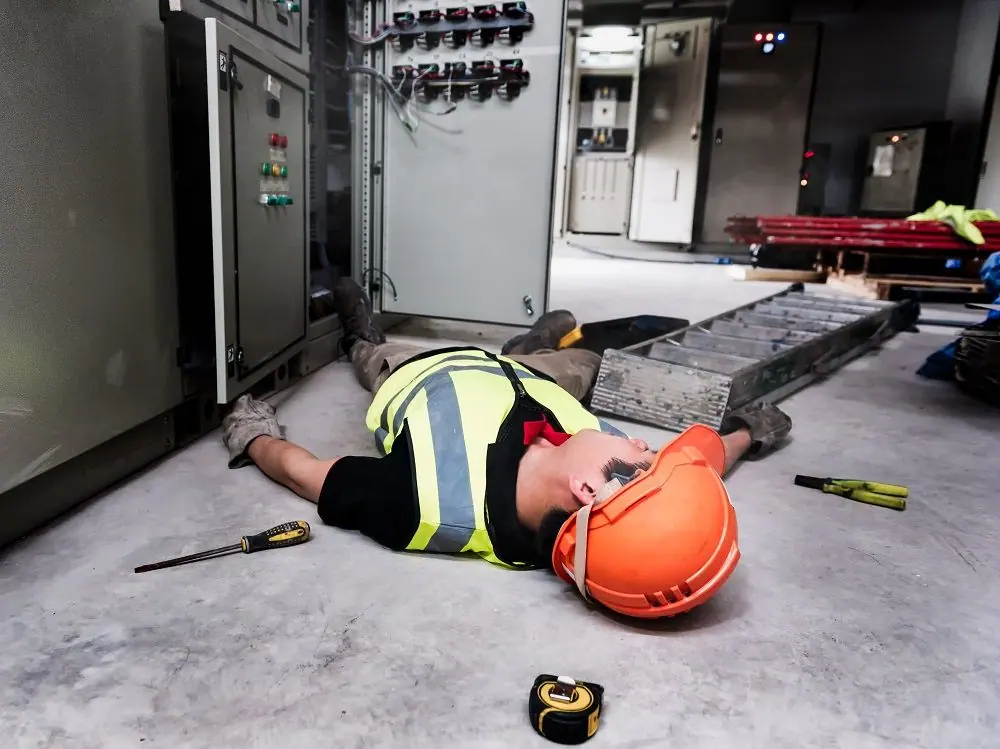
If a serious workplace injury happened in a manufacturing company, the crisis plan would allow the manager to respond immediately. As well as arranging first aid, the manager could communicate sensitively with the rest of the team and call in a crisis psychologist, which would help employees cope with the difficult situation. Such a response would ensure the team got through the situation without long-term conflicts or a drop in motivation.
Example 2: Conflict between employees
If a serious conflict broke out between employees in an office-based company and threatened to become a long-term problem, crisis communication training would allow the manager to step in early. The manager would be able to get a grip on the situation, arrange mediation and stop the conflict escalating. Such an intervention would help maintain good relationships between colleagues and prevent key workers from leaving.

Prepare for crises with Rescue Group
Although Rescue Group does not carry out psychological first aid directly, our expertise allows us to help companies integrate this key element into their crisis plans effectively. In today’s dynamic working environment, where unexpected situations can arise at any time, prevention is always better than dealing with problems afterwards.
Our support consists of helping companies draw up crisis plans that include not only measures for physical safety, but also a strategy for psychological support for employees. A properly prepared workplace can respond effectively to crises such as workplace injuries, conflicts or other stressful events, with minimal impact on employees’ health and morale.
Through practical training and model scenarios, we show how to include psychological first aid in crisis plans. In this way, companies not only ensure the safety and well-being of their employees, but also strengthen their trust in responsible, humane crisis management. Our expert advice is therefore an essential step for companies that want to be prepared for anything and protect their employees from both the physical and the psychological pitfalls of crisis moments.
Want to find out more about crisis planning and training? Contact us and find out how Rescue Group can help your company too.