
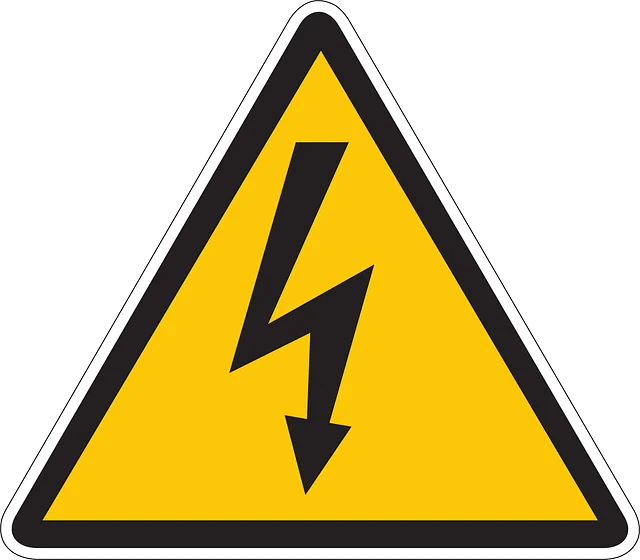
Safety signs and labels are key elements in every company. They help minimise the risk of workplace injuries, protect employees, visitors and property, and make the working environment more efficient. Correctly placed, clearly visible signs and labels not only warn of potential hazards, but also provide important information on safety procedures and evacuation routes. In this article we look at why safety signs and labels matter in the workplace and how to use them correctly to make your company safer and clearer.
Why are safety signs and labels important?
Safety signs and labels play a key role in preventing workplace injuries and protecting lives and property. The main reasons for using them include:
- Warning of hazards: safety signs and labels warn employees, visitors and others of potential hazards in the working environment, such as dangerous substances, electrical equipment, high temperatures or sharp edges.
- Providing important information: signs and labels provide important information on safety procedures, first aid, evacuation routes, emergency exits, the location of fire extinguishers and more.
- Better orientation: clearly visible signs and labels make it easier for employees, visitors and emergency services to find their way around.
- Compliance with regulations: using safety signs and labels is often mandatory under safety rules and regulations designed to protect employees and the public.
Types of safety signs and labels
There are many different types of safety signs and labels that serve different purposes and warn of different hazards or provide different information. The most commonly used types include:
- Hazard warning labels: these warn of various hazards in the working environment, such as electrical equipment, dangerous substances, high temperatures, sharp edges or slippery surfaces.
- Evacuation route signs: these show the way to emergency exits and evacuation routes so that people can get out of the building quickly and safely in an emergency.
- First aid signs: these mark where first aid is located so that people can quickly find basic medical help when needed.
- Fire extinguisher signs: these mark the location of fire extinguishers and give instructions on how to use them correctly in a fire.
- Hazardous substance signs: these mark where hazardous substances are stored and provide information on their properties and the safety measures required.
How to use safety signs and labels correctly in your company
Using safety signs and labels correctly is key to keeping employees, visitors and property safe. Here are some important tips.
Choose the right signs and labels
Choose signs and labels that suit your specific working environment and comply with the applicable safety rules and regulations.
Place them where they can be seen
Place signs and labels in visible places where all employees and visitors can easily see them.
Check and maintain them regularly
Check signs and labels regularly to make sure they are in good condition and clearly visible. Replace any that are damaged or illegible.
Make sure they are easy to understand
Signs and labels should be clear and simple so that everyone can understand them easily.
Include employee training
Include training on the meaning and correct use of safety signs and labels in your employee training programme.
Safety signs and labels are important elements of every working environment. They help minimise the risk of workplace injuries, protect employees, visitors and property, and make the working environment more efficient. Correctly placed and clearly visible signs and labels warn of potential hazards, provide important information on safety procedures and evacuation routes, and improve orientation in the workplace. To ensure maximum safety in your company, it is important to choose the right signs and labels, place them appropriately, check and maintain them regularly, and include them in your employee training programme.
Make your company safer with the right signage. Get in touch.