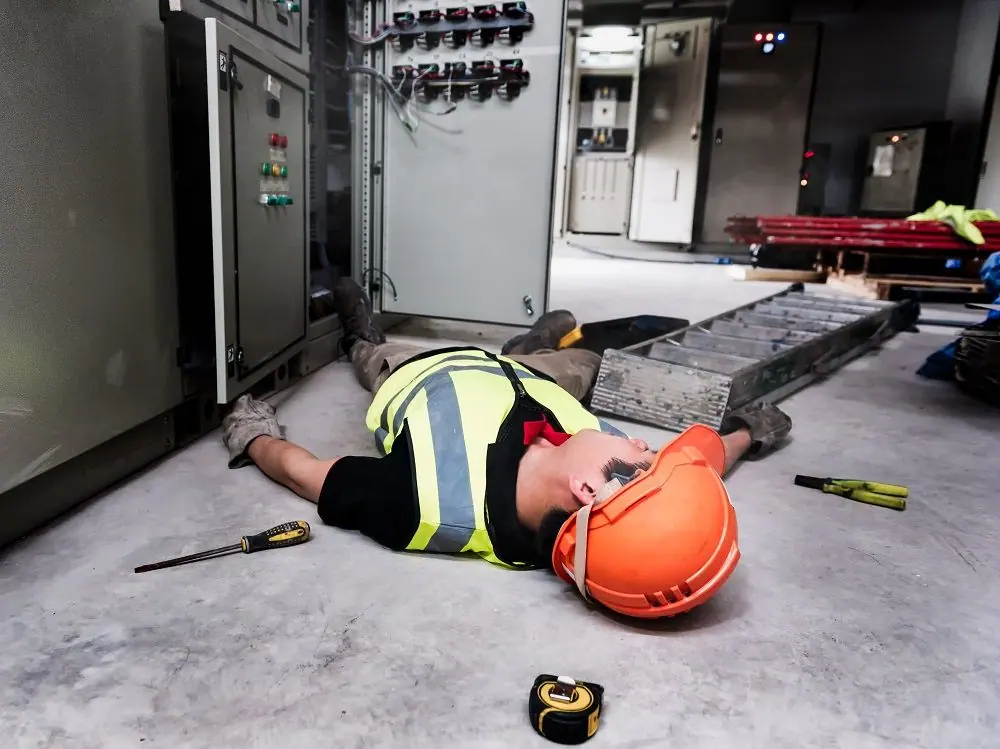
Chemical exposure at work is a serious health risk that can have both immediate and long-term consequences. Chemicals can cause chemical burns, thermal burns, eye damage, damage to the airways or even systemic poisoning. That is why it is important to know how to respond correctly and give fast and effective first aid.
Types of chemicals and their risks
The chemicals used in workplaces vary, so each type needs to be approached individually. The most common hazardous chemicals include:
- Acids and alkalis: these substances can cause serious burns and corrosion of the skin or mucous membranes.
- Solvents: contact with them can irritate the skin and airways, and long-term exposure can damage the liver or nervous system.
- Toxic substances: some chemicals can be poisonous and cause poisoning through inhalation, ingestion or absorption through the skin.
- Carcinogens: with long-term exposure, these substances can cause cancer.
Every chemical has its own specific risks, so it is important to know their properties and to keep safety data sheets (SDS) in the workplace, which contain information on the hazards and first aid.
The basic principles of first aid
When giving first aid, the key is to keep both the rescuer and the casualty safe. It is important to act calmly and avoid panicking. The casualty should be kept calm, both physically and mentally. It is also important to stop the casualty from getting cold during the intervention.
Assessing the situation quickly
Before giving help, the situation must be assessed thoroughly to ensure the safety of everyone involved. Only enter a contaminated environment if you have suitable protective equipment, such as a self-contained breathing apparatus or a suitable filter mask, and the support of another worker.
Remember that in poorly ventilated areas, the air may be contaminated with hazardous substances.
When handling contaminated objects or clothing, personal protective equipment, including gloves, must be used. First aid should not be given directly at the scene of the accident if there is a risk to the rescuer’s health.
Immediate resuscitation when life is at risk
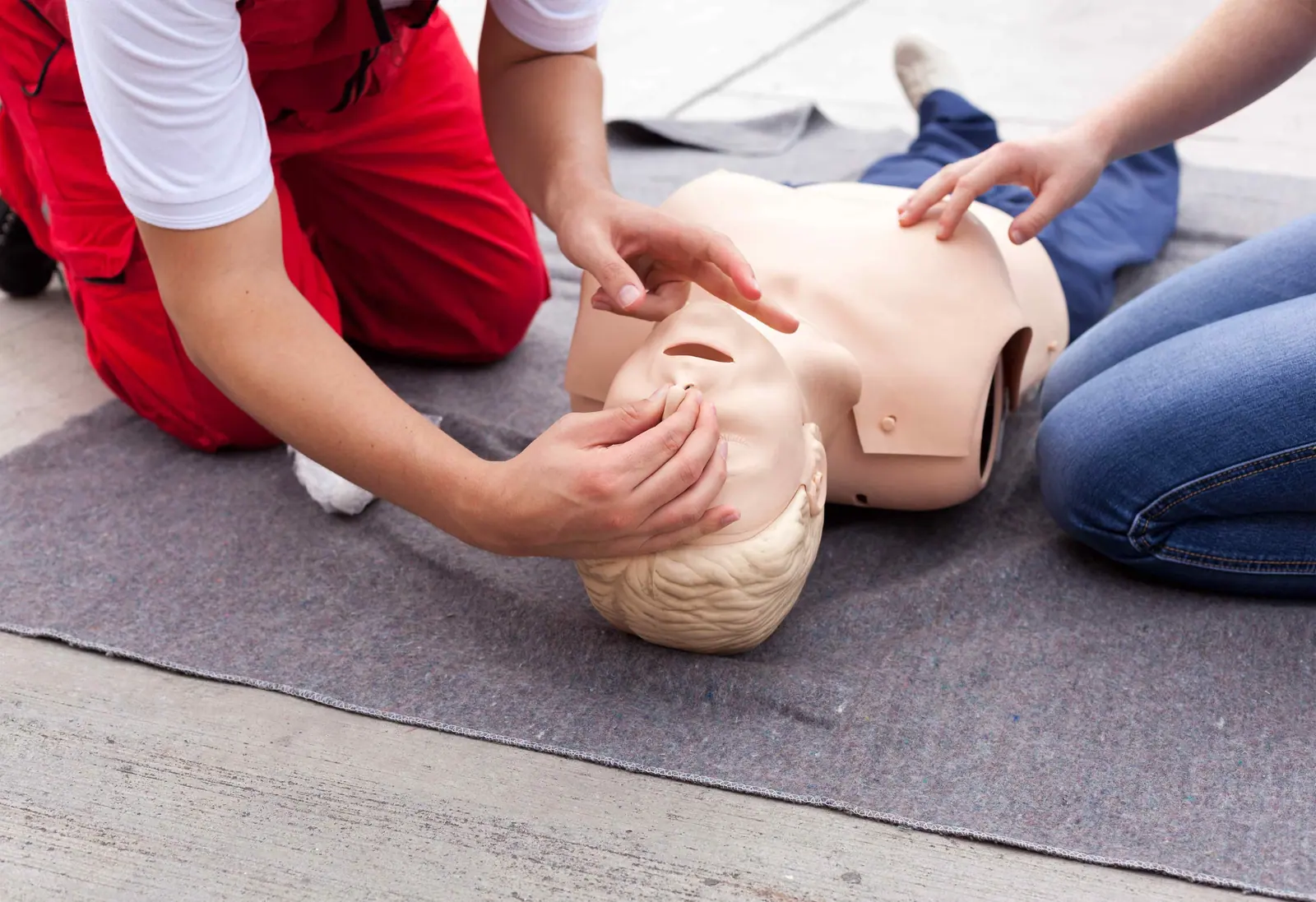
Where the casualty’s life is at risk, start resuscitation first and call for medical help:
- Not breathing – start rescue breaths immediately.
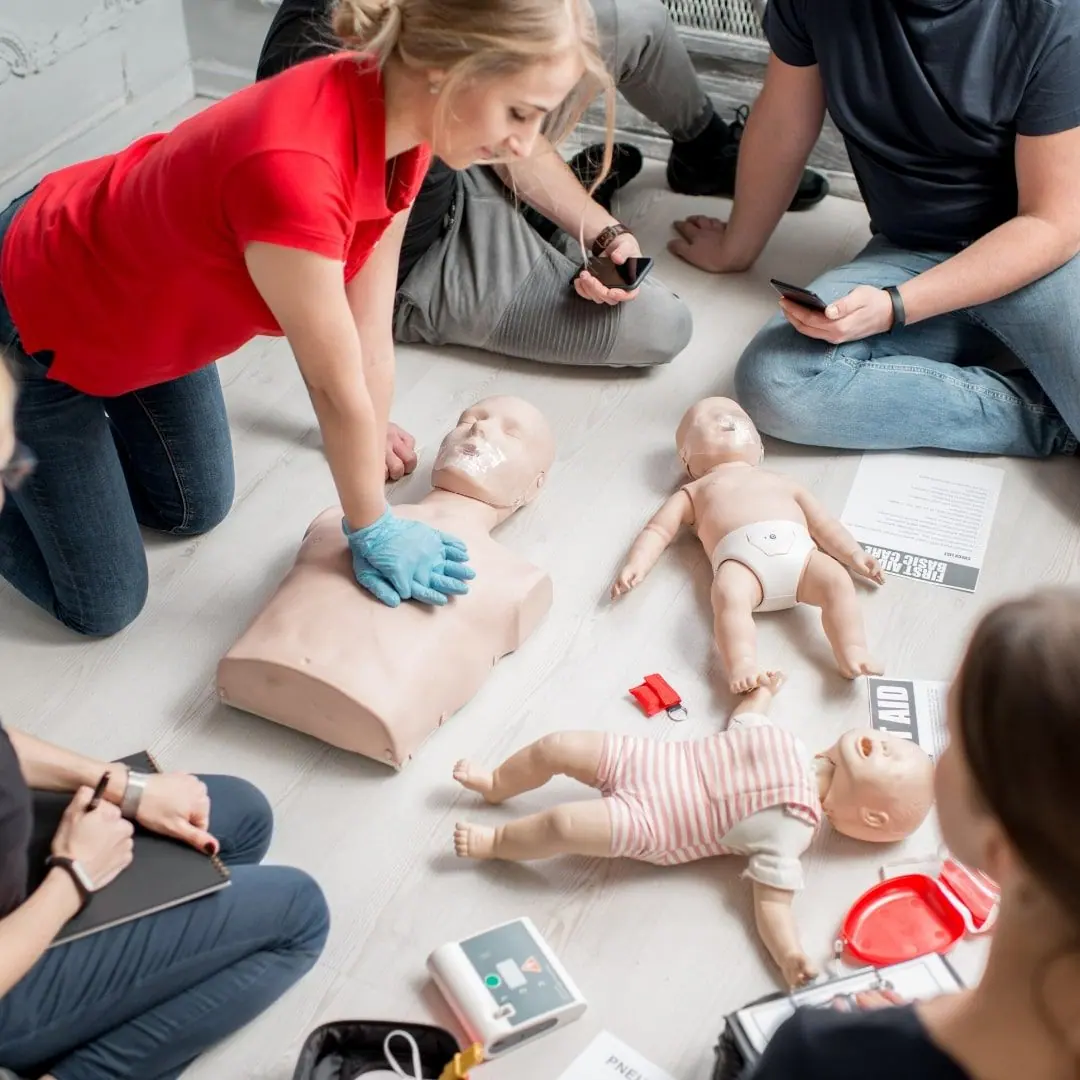
- Cardiac arrest – start chest compressions immediately.
- Unconscious – place the casualty in the recovery position on their side.
The equipment you need
Effective first aid requires basic equipment to be available:
- Enough water (if there is no water supply, a reserve of 10 litres per person is recommended).
- Blankets or other materials to protect against cold and for positioning the casualty, as well as spare clothing, including footwear.
- A first aid kit whose contents match the type of hazardous substances in the workplace. It is important to check the expiry dates of medicines and materials regularly and replace them in good time.
Consulting the experts
If you are unsure of the right procedure, you can consult the Toxicological Information Centre by phone (tel. +420 224 919 293, +420 224 915 402). When you call, you need to give information about the chemical from its original packaging or safety data sheet.
If medical care is needed, always take the original packaging of the chemical or the safety data sheet for the substance that caused the exposure.
First aid for skin contact
Skin contact with a chemical can lead to burns, irritation or serious chemical burns. If a chemical comes into contact with the skin, proceed as follows:
- Wash the chemical off immediately: rinse the affected area with plenty of lukewarm water for at least 15–20 minutes. If no water is available, use neutralising solutions, but only if the chemical’s safety data sheet recommends it.
- Remove contaminated clothing: if the chemical has splashed onto clothing, take it off immediately. Take care not to spread the chemical to other parts of the body.
- Do not use soap or cleaning products: soap or other chemicals can make the situation worse if they are not compatible with the chemical that caused the exposure.
- Seek medical help: even if the exposure does not seem serious, chemicals can cause delayed reactions, so it is advisable to see a professional.
First aid for eye contact
The eyes are very sensitive, and chemical exposure can cause permanent damage to eyesight if first aid is not given immediately.
- Rinse the eyes immediately: rinse the eyes with plenty of lukewarm water or an isotonic solution for at least 15 minutes. While rinsing, hold the eyes open and direct the stream of water from the inner corner of the eye outwards to stop the chemical spreading to the other eye.
- Do not rub the eyes: rubbing can cause further irritation and worsen the damage to the tissue.
- Seek medical help: chemical exposure of the eyes always requires a professional examination, even if you have no symptoms after rinsing.
First aid for inhaling hazardous substances
Inhaling toxic vapours, gases or dust can damage the airways and lungs, which can lead to serious breathing problems, poisoning or even suffocation.
- Leave the affected area immediately: move the casualty into fresh air if it is safe to do so. If you work in an environment with a high risk of inhaling chemicals, use respirators or other protective equipment.
- Check breathing: if the casualty is not breathing or is breathing poorly, start resuscitation (rescue breaths) and call the emergency services immediately.
- Watch for signs of poisoning: symptoms of poisoning can include headache, dizziness, nausea, confusion or loss of consciousness. If these symptoms appear, seek medical help immediately.
First aid for swallowing chemicals
Some chemicals, if swallowed, can cause serious internal burns, poisoning or other serious damage to the digestive tract.
- Do not try to induce vomiting: if the casualty has swallowed a chemical, never induce vomiting unless this is expressly recommended by a doctor or the chemical’s safety data sheet. Vomiting can damage the oesophagus or stomach.
- Rinse the mouth: rinse the mouth immediately with plenty of water, but do not give the casualty anything to drink unless they are fully conscious.
- Seek medical help: call the emergency services immediately and have information ready about the chemical the casualty swallowed, including the packaging if possible.
Help after exposure to substances classified as highly toxic
When life is at risk, the priority is resuscitation and getting medical help.
- Inhaling toxic substances: stop the exposure immediately, take the casualty into fresh air, protect them from the cold and always make sure they receive medical treatment.
- Skin contact: wash the affected area with lukewarm water and remove contaminated clothing. Call for medical help if needed.
- Eye contact: rinse the eyes with water immediately for 10 minutes, remove contact lenses and call the emergency services.
- Swallowing toxic substances: induce vomiting (in a conscious person) and give activated charcoal. If cyanide has been swallowed, arrange inhalation of Nitramyl (amyl nitrite) and call the emergency services.
Preventive measures to minimise the risk of chemical exposure
To prevent dangerous situations involving chemicals, several preventive measures need to be put in place in the workplace:
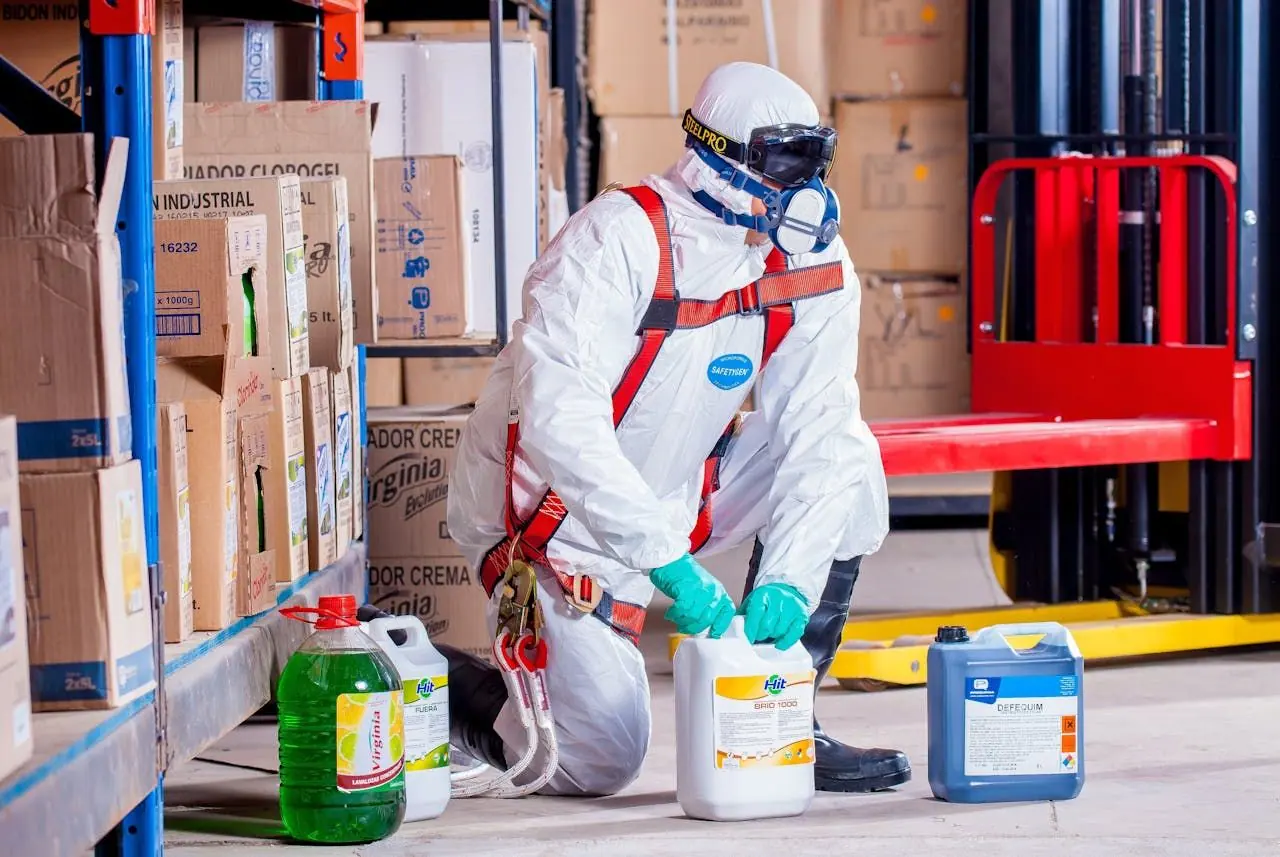
- Personal protective equipment (PPE): providing suitable protective equipment such as gloves, safety glasses, masks and protective clothing is key. Workers should be thoroughly trained in using it correctly.
- Employee training: regular training in working safely with chemicals is essential. Workers must know how to handle hazardous substances correctly and how to give first aid in the event of an accident.
- Safety measures: the workplace should have emergency showers, eyewash stations and other equipment for fast first aid.
- Ventilation: workplaces where toxic chemicals are used should have an adequate ventilation system to reduce the concentration of hazardous vapours in the air.
- Storing and labelling chemicals: chemicals should be stored in line with safety standards and properly labelled so that the risks they pose are clear.
Emergency showers and eyewash stations: basic safety equipment
Emergency safety showers and eyewash stations, such as eyewash units, showers or eyewash bottles, are an essential element of protection when working with hazardous chemicals. They are needed not only in chemical laboratories, but also in other operations where there is a risk of exposure to substances harmful to health. A fast and effective response to chemical contact is key to preventing serious injuries.
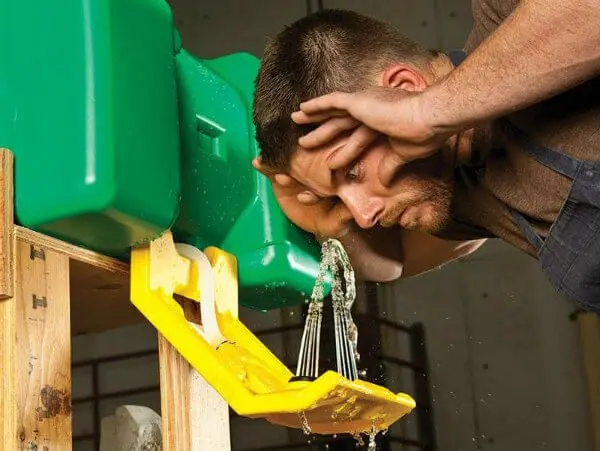
Why emergency showers and eyewash stations matter
The first 10 to 15 seconds after contact with a hazardous substance are decisive. Even a short delay in first aid can lead to serious harm to health. Emergency showers and eyewash stations allow immediate decontamination, reducing the risk of lasting consequences.
Even when safety measures are followed and personal protective equipment such as goggles or face shields is used, accidents can happen. That is why emergency showers and eyewash stations must be available as a back-up plan to minimise the consequences of chemical exposure.
How long to rinse
The ANSI Z358.1 standard states that safety equipment must provide a sufficient flow of water for at least 15 minutes. The recommended rinsing time can, however, vary depending on the type of chemical:
- 5 minutes for mildly irritating substances,
- 15–20 minutes for moderately and strongly irritating substances,
- 30 minutes for corrosive substances,
- 60 minutes for strong alkalis (e.g. sodium and potassium hydroxide).
If irritation persists, it is advisable to repeat the rinsing and then seek medical help.
A fast and correct response to chemical exposure at work is key to minimising health risks. Good-quality training for employees and the availability of emergency showers, eyewash stations and other safety equipment are the basic pillars of health protection. Although preventive measures can significantly reduce the likelihood of an accident, it is always important to have a back-up plan in the form of effective first aid. Proper decontamination and timely medical care can prevent serious consequences and protect workers’ lives.
We provide comprehensive first aid training