Unexpected events such as fires, natural disasters, terrorist attacks or accidents can happen anytime and anywhere. Raising public awareness of the right procedures in emergencies can significantly reduce the risk of injury and minimise damage to property. Training for the public is a key element in improving people’s preparedness and safety. Here we look at how to prepare for unexpected situations and stay safe.
Getting to know local risks and hazards
The first step towards public safety is getting to know the local risks and hazards that could threaten your surroundings. Every area has its specific risks, such as floods, earthquakes, forest fires or industrial accidents.
Find out which risks your area faces and how they could affect your safety and the environment.
Get to know the local emergency plans and find out how you should behave if needed.
Taking part in training and drills regularly
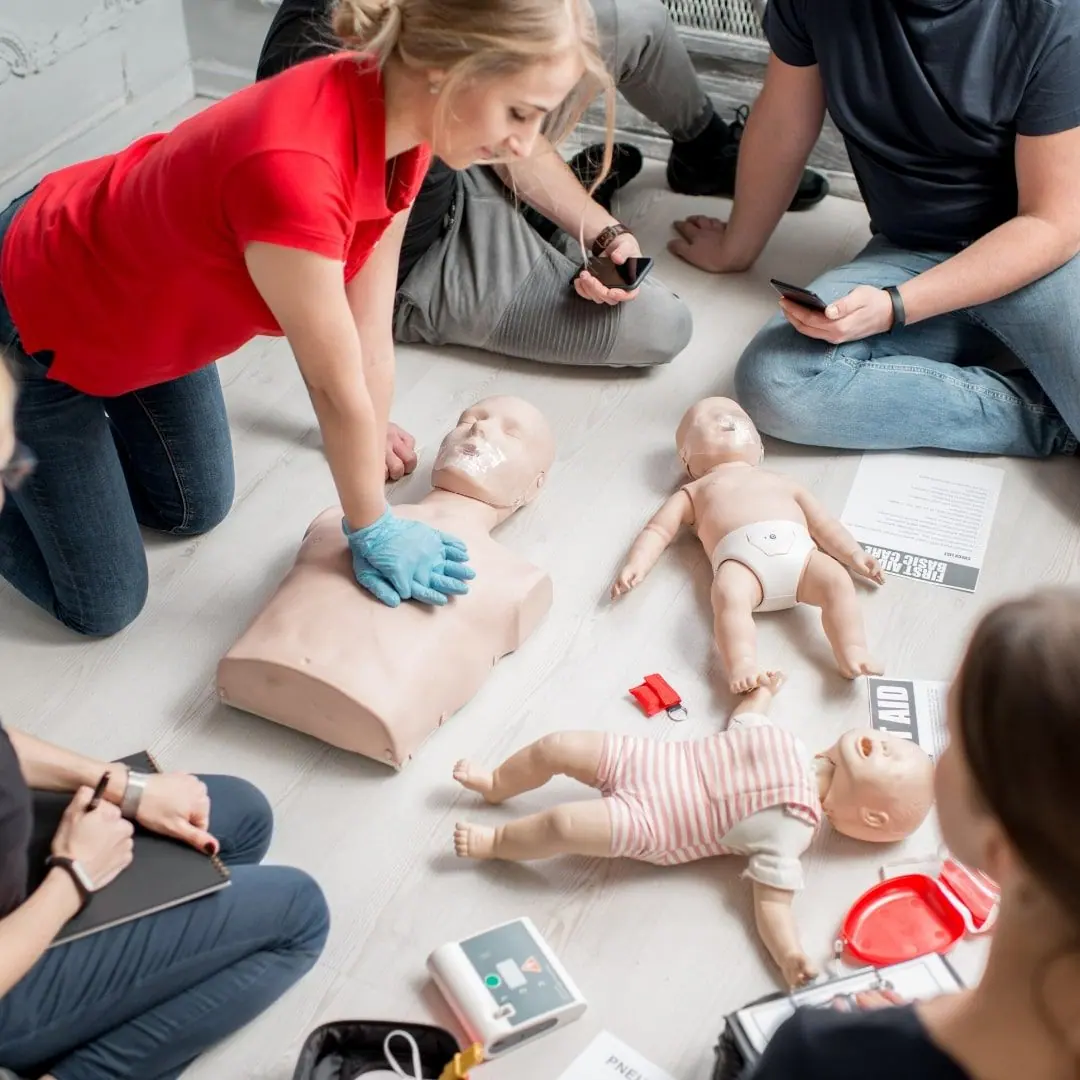
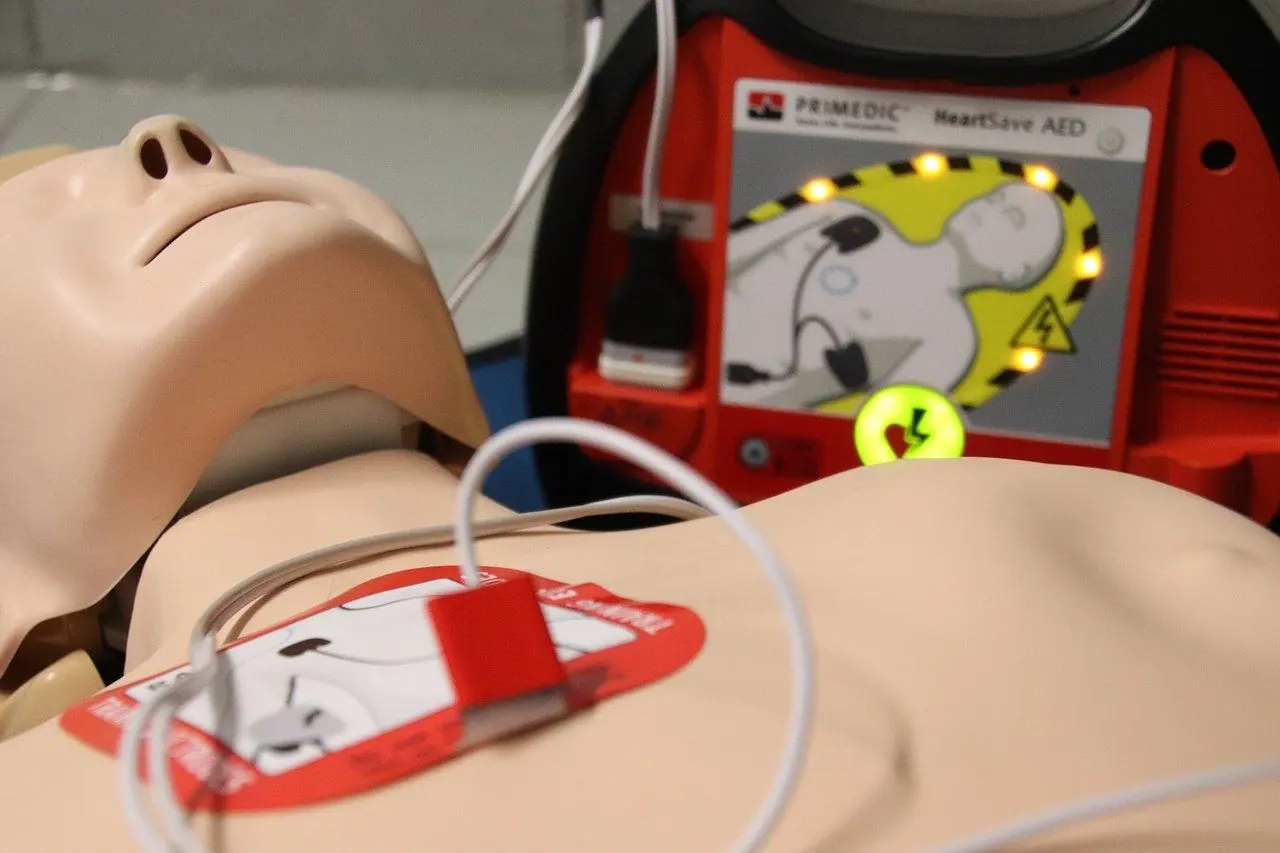
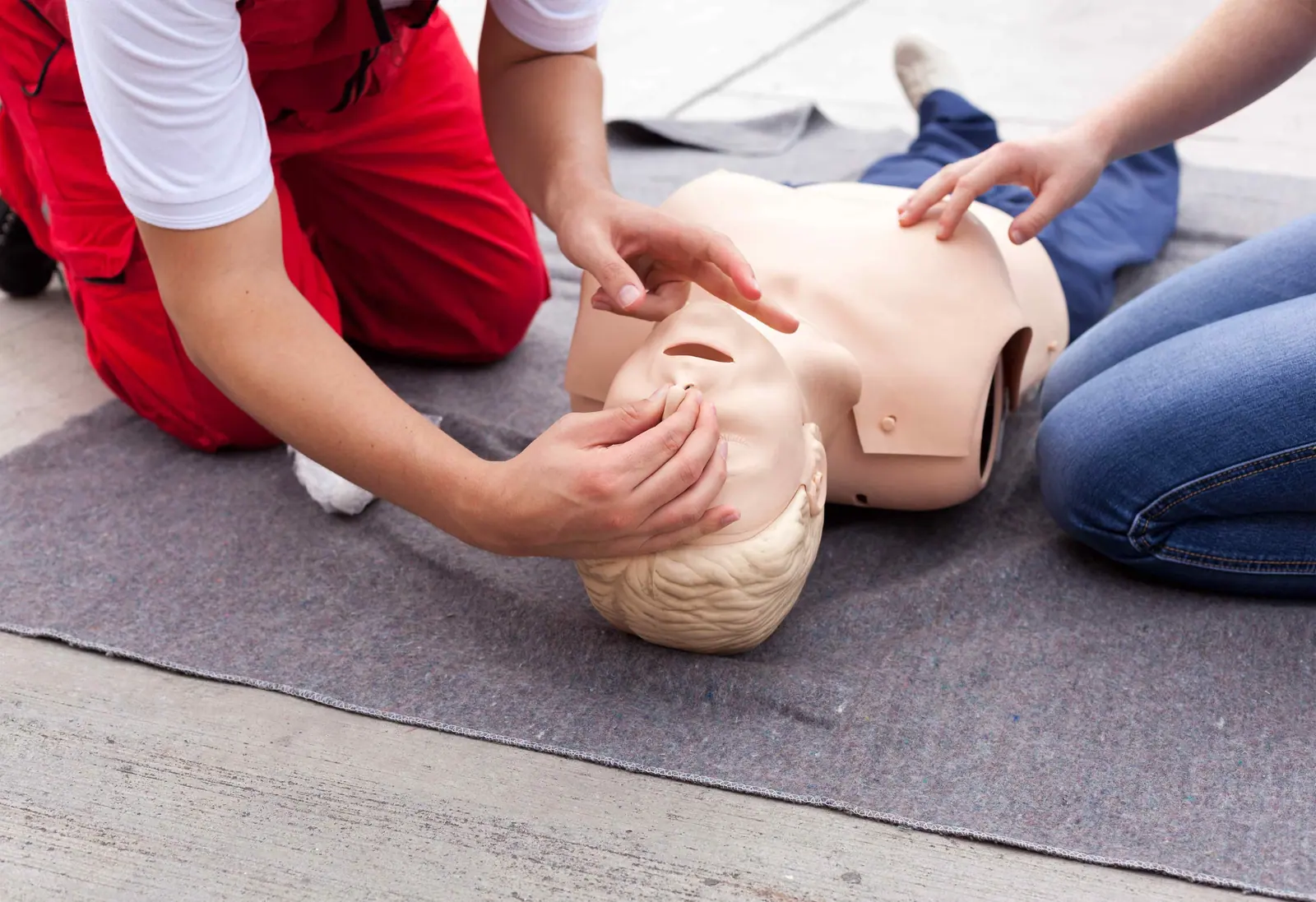
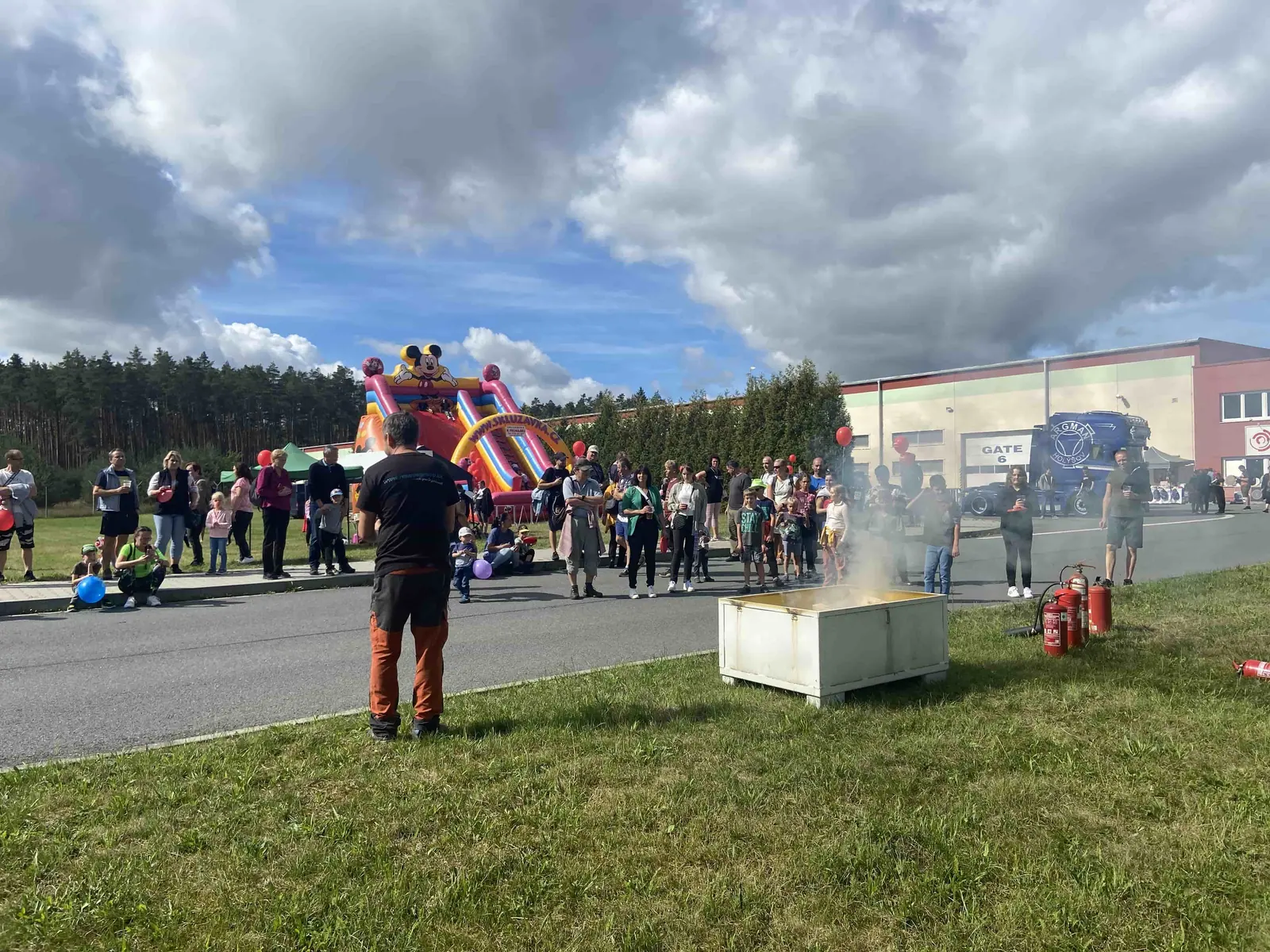
Regular participation in training and drills is key to improving public preparedness for emergencies. Training should cover different types of emergency, including evacuation, first aid, fire protection and more.
Take an active part in training and drills in your area, at school, at work or in training organised by public bodies.
Learn the procedures for evacuation, first aid and the basics of fire protection.
Preparing homes and workplaces
A prepared home and workplace can significantly reduce the risk of injury and damage in an emergency. Your preparations should include:
- An evacuation plan: create an evacuation plan for your home or workplace and regularly practise how to respond with your family or colleagues.
- Emergency supplies: keep first aid supplies, food, water and other essentials to hand in case of emergency.
Information and communication
Information and communication are also an important part of public safety. Make sure you have access to up-to-date information on emergencies and know how to get help when you need it.
Keep reliable sources of emergency information to hand, such as news websites and the social media channels of local authorities and emergency services.
Sign up to warning and alert systems that inform you about emergencies in your area.
Training for the public is a key element in improving safety and preparedness for emergencies. Getting to know local risks, regularly taking part in training and drills, preparing homes and workplaces, and staying informed and in touch are the basic steps towards a safer public and a lower risk in emergencies.