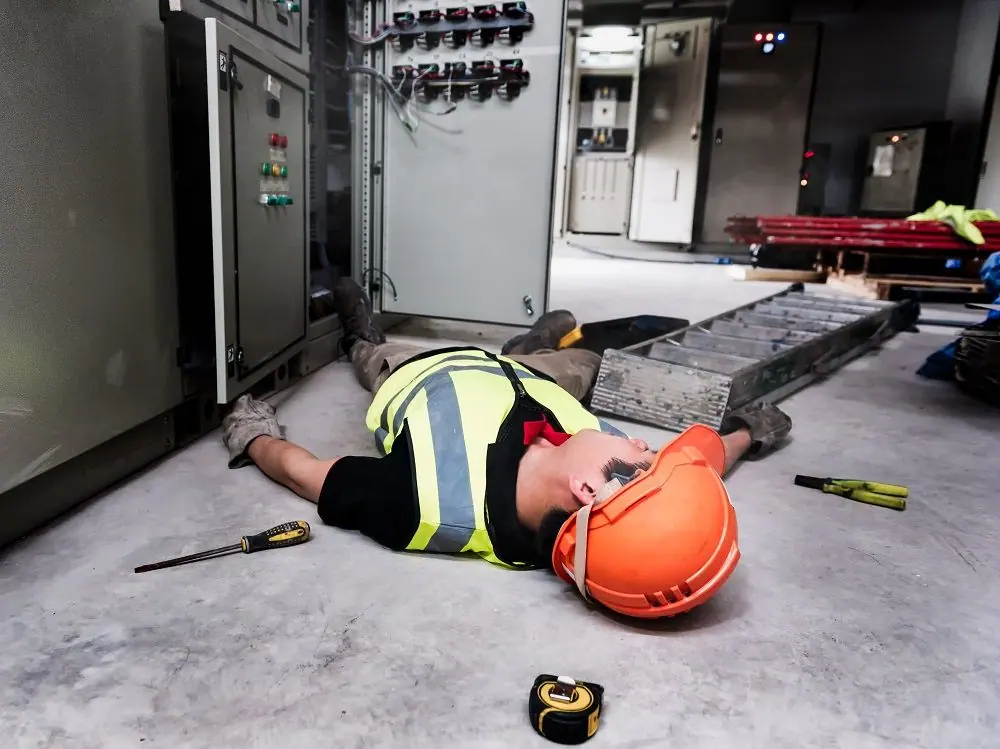
Occupational health services (known in Czech as PLS) remain one of the most important elements of the occupational health and safety system in the Czech Republic. Their aim is to protect employees’ health from work-related risks while helping companies avoid penalties and the high costs of occupational diseases and workplace injuries. In 2026 the requirements for prevention, medical examinations and documentation have become stricter. We explain what occupational health services mean in practice, what obligations employers have and why it pays to set up your health and safety system correctly from the start. At Rescue Group we specialise in risk assessment, health and safety and training – precisely the services that form the basis for effectively meeting the requirements for occupational health services.
What occupational health services are and who must provide them
Occupational health services comprise a set of preventive, diagnostic and advisory activities that are designed to prevent work from having a negative impact on employees’ health. They are defined by Czech Act No. 373/2011 Coll. on Specific Health Services (as amended up to 2026). Every employer with at least one employee is obliged to provide occupational health services – regardless of the size of the company or the sector. There are no exceptions, not even for small companies or self-employed people with employees. Since June 2025, however, the obligation to carry out pre-employment medical examinations for category 1 work has been relaxed, and an examination before starting work is no longer mandatory (with exceptions for young workers, work involving occupational risks and workers from countries with a higher incidence of tuberculosis).
Occupational health services mainly include:
- Pre-employment, periodic and extraordinary medical examinations
- Assessing medical fitness for work
- Assessing health risks in the workplace
- Advice when working conditions change
- Taking part in investigating injuries and occupational diseases
Key elements that effectively support occupational health services are first aid training and workplace risk assessment. A risk assessment reveals potential hazards before an injury or illness occurs. First aid training prepares employees to respond quickly and correctly in the event of an accident. Properly set up occupational health services reduce sickness, increase productivity and protect the company from fines.
Current legislation and changes in 2026
The basic framework is still Act No. 373/2011 Coll. and Decree No. 79/2013 Coll. (as amended). From 2026, however, the requirements have become stricter for:
- The frequency of periodic examinations for high-risk work
- The content of medical fitness reports
- The obligation to keep documentation electronically
- Integrating mental strain and psychosocial risks into the assessment
The employer must arrange occupational health services with a registered provider – a contracted physician or a specialised facility. Examinations are divided according to the risk category:
- Pre-employment – before starting work; not mandatory for category 1 work, with some exceptions
- Periodic – every 1–4 years (depending on the risk)
- Extraordinary – after a change of work, an injury or an illness

How to provide occupational health services correctly
The employer must sign a contract with an occupational health services provider, defining the scope of services, the frequency of examinations and the reporting procedure. The key steps include carrying out a risk assessment and work categorisation, identifying the employees who need regular examinations, arranging pre-employment examinations before work begins, planning periodic examinations and keeping reports and records for at least 5 years.
This is exactly where a high-quality risk assessment and first aid training prove their worth. The risk assessment reveals the real hazards in the workplace and helps determine who needs an examination and how often. First aid training improves employees’ ability to respond to injuries and reduces the consequences of accidents.
The most common mistakes in providing occupational health services
No contract with an occupational health services provider. Skipping pre-employment examinations for new employees. An insufficient risk assessment before the examinations. Ignoring periodic examinations for high-risk work. Poor record-keeping of reports and incorrect reporting of changes. These mistakes lead to fines of CZK 50,000 to 2,000,000.
Q&A: frequently asked questions about occupational health services
Who must provide occupational health services?
Every employer with at least one employee. There are no exceptions.
How often are periodic examinations carried out?
For high-risk work every 1–2 years. For ordinary work every 4 years.
Do I have to pay for the examinations?
The costs are borne by the employer. The employee pays nothing.
What if an employee refuses an examination?
The employer may prohibit the employee from performing the work. The employee is then responsible for being unable to work.

Set up your health and safety correctly
In 2026, occupational health services are much more than meeting a legal obligation. They are an active prevention tool that protects employees’ health in the long term, reduces the risk of long-term sick leave and helps companies build a stable and responsible environment.
At Rescue Group we focus precisely on the areas that support occupational health services most effectively: a thorough risk assessment and high-quality first aid training. These services form a solid foundation on which to build a safe and legally compliant health and safety system. Our specialists help companies not only meet the requirements, but above all create an environment where prevention is not just a paper formality, but a real part of day-to-day operations.
Together we will set up a system that protects you from fines and ensures a safe working environment. Your employees and your company deserve it.