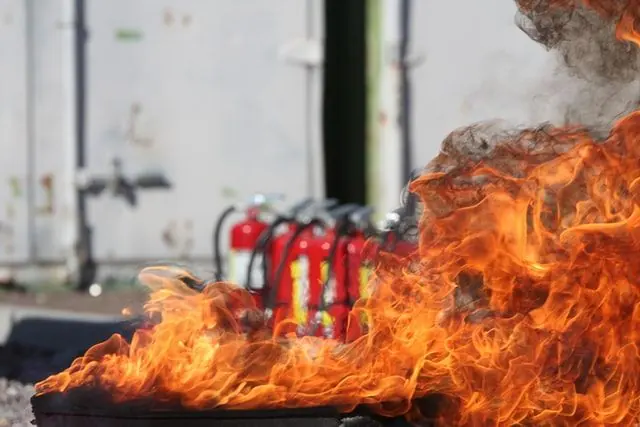

Reviewing OHS documentation is a fundamental tool for keeping workplace safety in line with current regulations and the reality of day-to-day operations. Proper, regular updating minimises risks and protects both employees and the employer. Why and how often should the documentation be checked, and what should it include?
Why an OHS documentation review is essential
Reviewing OHS (occupational health and safety) documentation is a key step that allows employers to ensure a safe and efficient working environment. The importance of this activity often goes beyond simply meeting legal requirements. Regularly checking and updating the documentation not only reduces the risk of workplace injuries, but also protects the employer from potential fines, legal disputes and a loss of employees’ trust.
Responding to changes in the working environment
The working environment is not static – it changes with new technologies, changes to the organisation of work, the introduction of new working procedures or the expansion of operations. Each of these changes can bring new risks that need to be identified and incorporated into the documentation. For example, introducing a new machine requires not only a review of the risk analysis, but also updates to the operating procedures, employee training and records of their induction. Without these updates, the risk of injuries could increase, or disputes could arise in the event of an accident.
Ensuring legal compliance
OHS legislation changes regularly. If the documentation is not kept up to date, the employer faces fines during inspections by the labour inspectorate or other supervisory authorities. Outdated documents can also be used against the employer in court, for example in cases of workplace injuries or occupational diseases. Legislative changes may include amendments to the rules for categorising work, new requirements for employee training or new protective measures for specific activities. A documentation review ensures the business stays compliant with current regulations.
Preventing workplace injuries and accidents
Inadequate or outdated OHS documentation often leads to risks being underestimated. This can increase the likelihood of injuries, which can have serious consequences not only for employees, but also for the business. A regular review makes it possible to identify newly arising risks and introduce appropriate measures to prevent them. For example, updating the procedures for handling hazardous substances can prevent serious injuries or environmental accidents.
Legal and financial protection for the employer
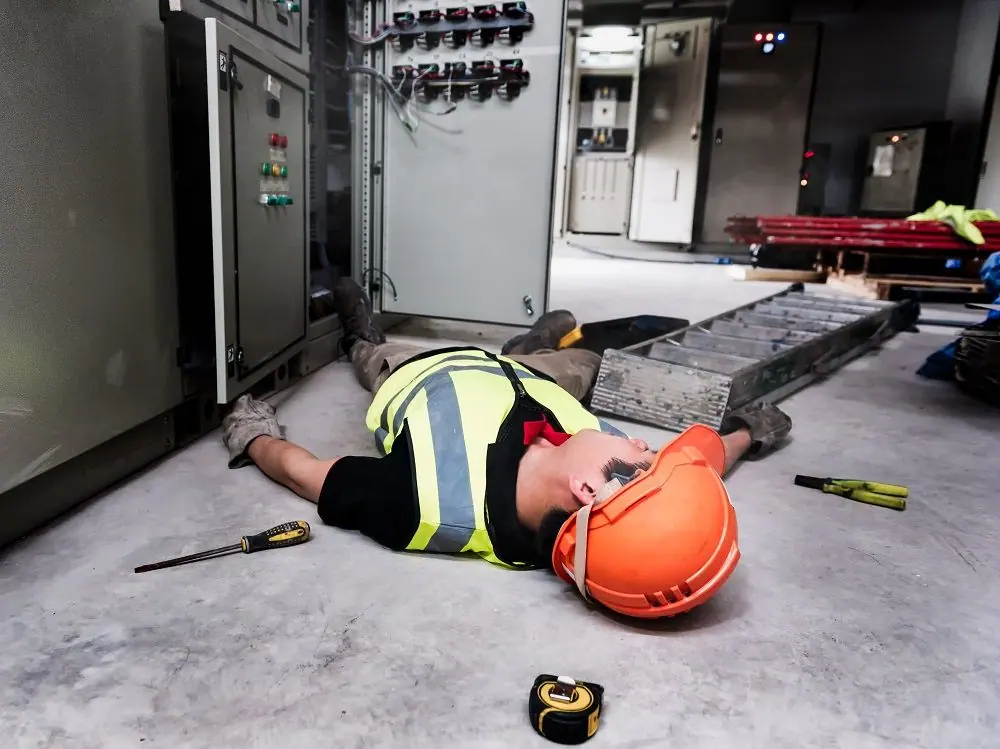
In the event of a workplace injury or occupational disease, the question is often whether the employer met all their OHS obligations. Outdated or missing documentation can mean the employer bears full responsibility for the damage, which can lead to heavy fines or compensation costs. An OHS documentation review acts as legal protection. If all the documents are up to date and properly kept, the employer can easily show that they took the necessary steps to ensure safety in the workplace.
Building trust and responsibility
Up-to-date OHS documentation signals to employees that the employer takes their safety seriously. This increases workers’ trust, satisfaction and loyalty. When employees see that risks are regularly assessed and measures updated, they are more likely to follow OHS rules and procedures. Outdated documentation, on the other hand, can give the impression that management is neglecting safety, which can harm team morale and the willingness to follow safety rules.
Avoiding fines and penalties
Inspections by labour inspectorates are becoming more frequent and more thorough. If shortcomings are found in the OHS documentation, the employer can face fines of up to hundreds of thousands of crowns. In worse cases, they can lead to operations being temporarily shut down. Regularly reviewing the documentation minimises these problems, because inspections will generally find no serious shortcomings.
How often to review OHS documentation
How often OHS documentation should be reviewed depends on the type of operation, legal requirements and specific changes in the workplace. At a minimum, the documentation should be checked once a year as part of the annual OHS audit, which is a standard requirement for most operations. In addition, a review is needed whenever there is a significant change, such as the introduction of new technology, an expansion of operations or a change in the organisation of work. These situations require the documentation to be updated immediately to reflect the new conditions. A review is also necessary after every workplace injury or serious incident, when it is essential to analyse the causes and introduce measures to stop similar problems happening again. In some sectors, such as construction or industry, where the risk of workplace injuries is higher, reviews may be carried out more often to ensure workers are as safe as possible.
What an OHS documentation review covers
An OHS documentation review is a comprehensive process that aims to assess whether the existing documentation is up to date and correct, identify any shortcomings and make the necessary changes so that everything complies with current legislation and the actual conditions in the workplace. The process involves several key steps and areas that are analysed and updated in detail during the review.
Checking the basic OHS documentation
Basic documentation is mandatory for all employers, regardless of sector. The review of this documentation focuses on several key areas. The first is the organisational procedures, which must accurately describe the structure of responsibility for OHS in the company. This includes the current contact details and duties of the responsible persons. Next comes occupational health services. This part includes checking the records of employees’ medical examinations, especially pre-employment and periodic examinations, and their compliance with the applicable legal requirements.
Equally important are the rules for providing personal protective equipment (PPE), which require the list of PPE issued to be updated regularly and recorded in line with the current risks in the workplace. The last area is the operating rules, which include reviewing the rules for using company vehicles, electrical appliances or computers.
Assessing and updating the risk analysis
One of the most important parts of OHS documentation is the risk analysis, which identifies all the potential risks in the workplace and sets out measures to minimise them. The review of this analysis focuses on several key aspects. First, the list of risks is updated to reflect the current work activities, technologies and equipment in use. Next, new risks that may arise from changes in operations, such as new working procedures or technologies, are assessed. At the same time, the effectiveness of the existing measures is reviewed and additions are proposed where necessary.
For example, if new equipment has been installed in the workplace, its potentially hazardous properties, such as noise, vibration or the risk of hazardous substances leaking, must be included in the analysis. This ensures the documentation stays up to date and contributes to maximum safety in the workplace.
Reviewing records and registers
OHS documentation also includes various records and registers that must be updated regularly. The review of this part focuses on several key areas. One is training records, where it is checked whether employees have completed the required induction and periodic OHS and fire safety training. Another is the PPE register, where it is reviewed whether the records of PPE issued match the current risks in the workplace. An important part is also the documentation of workplace injuries, which must be kept in line with legal requirements and contain all the necessary information. Finally, the medical examination records are checked to verify that the records of employees’ fitness for work are up to date and complete.
Updating procedures and operating rules
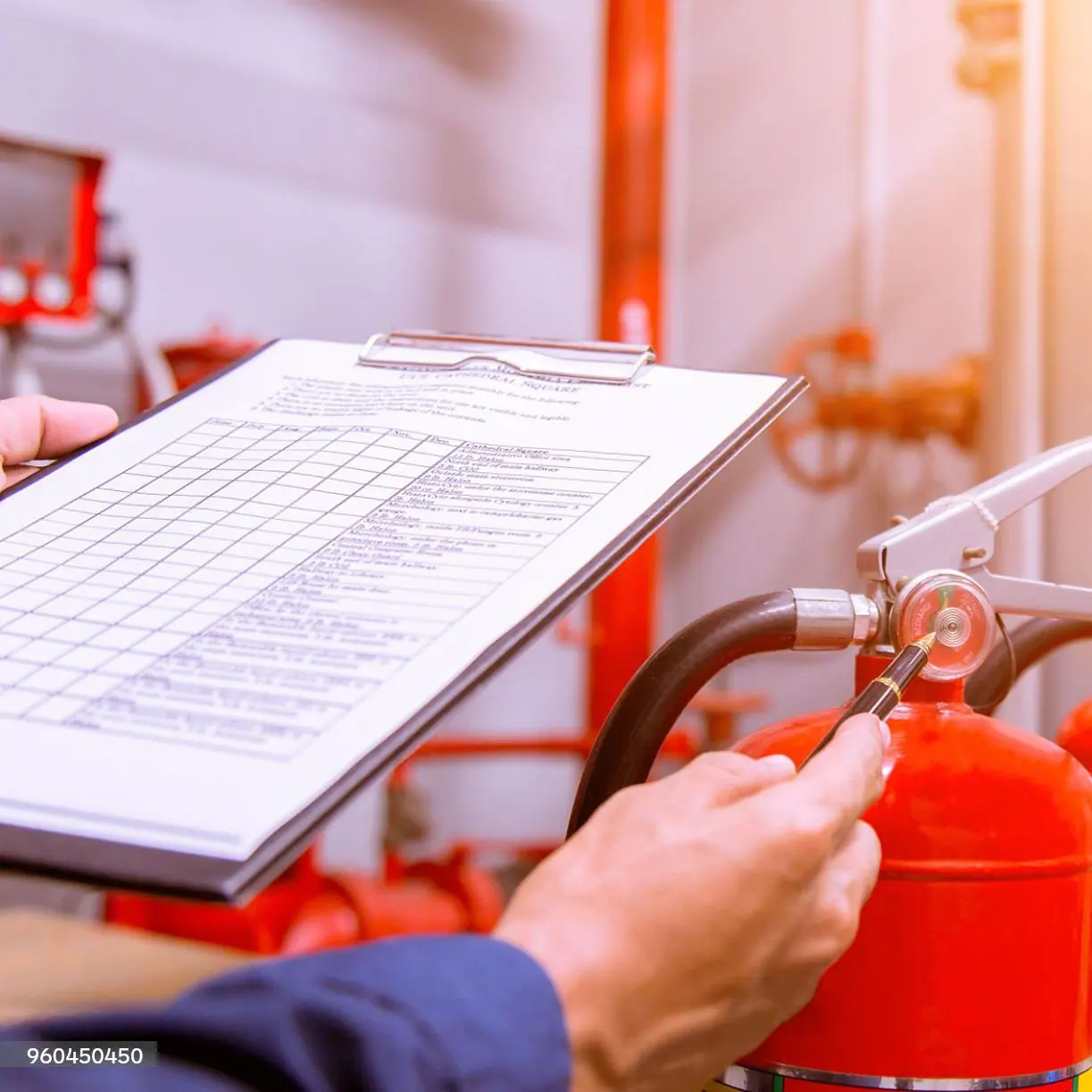
The documentation review also includes reviewing the operating rules that govern specific activities in the workplace. These procedures usually cover handling heavy loads, working with hazardous substances such as chemicals, or using designated technical equipment, for example forklift trucks, chainsaws or pressure vessels. Another important area is evacuation plans and procedures for emergencies such as a fire or a leak of hazardous substances.
The review focuses not only on whether the procedures reflect the real conditions in the workplace, but also on whether they are communicated clearly to employees. Making sure the rules are properly understood and followed is key to safe operations and to protecting the health of all workers.
Employee training and education
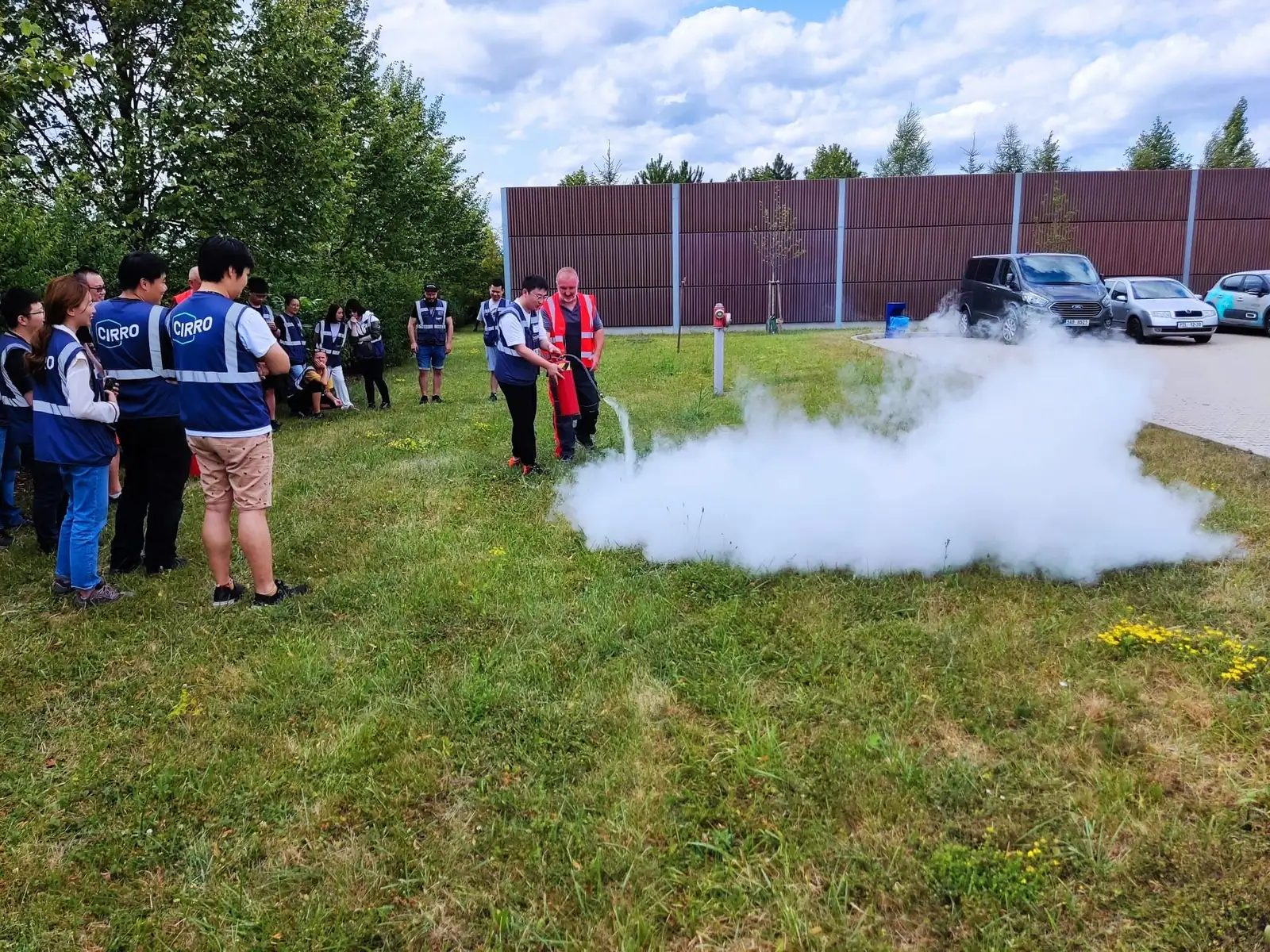
An OHS documentation review also includes a thorough assessment of training materials and programmes. The first step is checking the training syllabuses to make sure their content reflects current legal requirements and the real conditions in the workplace. An important part is also checking the regularity of training, i.e. verifying that employees have completed mandatory training at the prescribed intervals. Another key aspect is assessing the effectiveness of the training. This means assessing whether employees gain the information and skills they need from the training to help them prevent risks and increase their awareness of safety at work. This ensures the training not only meets the formal requirements, but genuinely contributes to greater safety in the workplace.
Specialised advanced documents
In workplaces with higher risks or specific conditions, particular attention must be paid to reviewing advanced documentation. This documentation covers several important areas. It includes local operating safety rules that apply to specific equipment or activities. The instructions for working with designated technical equipment must also be updated so that they comply with current regulations and safety standards.
Advanced documentation also includes rules for warehouses or other higher-risk areas, which must describe in detail the rules for handling materials and safe operation. Equally important is the documentation for preventing major accidents, focused, for example, on working with chemicals or pressure equipment. Regularly reviewing these documents is key to ensuring safety and minimising risks in operations.
Preparing for inspections and audits
An OHS documentation review also includes assessing whether all the necessary documents are ready for possible inspections by labour inspectorates or other supervisory authorities. This review focuses on several key aspects. First, the documentation is checked for completeness, so that it contains all the required information and supporting material. Next, the clarity and logical organisation of the individual parts are assessed, which makes the documentation easier to navigate and use. Particular emphasis is placed on keeping all the required records and reports, which must be up to date and compliant with current regulations. This ensures the documentation meets all legal requirements and is ready to be presented during an inspection.
The result of the review: effective, up-to-date documentation
Once the review is complete, the employer is fully prepared not only for inspections, but also for managing potential risks in practice. Properly kept, up-to-date OHS documentation keeps employees safe, protects the employer from fines and legal disputes, and helps create a safe and efficient working environment. At Rescue Group we offer professional OHS documentation reviews that take into account the specifics of each operation and current legal requirements. Get in touch with us and ensure maximum safety and legal protection.
How the review works in practice
An OHS documentation review takes a comprehensive approach, combining a check of the existing documents with an assessment of the current situation in the workplace. The typical procedure includes:
- Audit of the current documentation – assessing whether all documents are complete, up to date and properly kept.
- Workplace visit – assessing the actual situation and comparing it with the documentation.
- Identifying shortcomings – analysing the differences between practice and the documentation.
- Proposing and implementing changes – preparing updated procedures, rules and methods.
- Employee training – familiarising workers with the new documents and rules.
A review as an investment in safety
Regularly reviewing OHS documentation is an investment that pays for itself many times over. As well as minimising the risk of workplace injuries and protecting employees’ health, it also helps prevent fines and complications during inspections by state authorities. Rescue Group offers comprehensive OHS services, including regular reviews and updates of documentation. With the professional approach and experience of our risk prevention experts, we will make sure your documentation always reflects current requirements and the needs of your workplace.
Need an OHS documentation review?