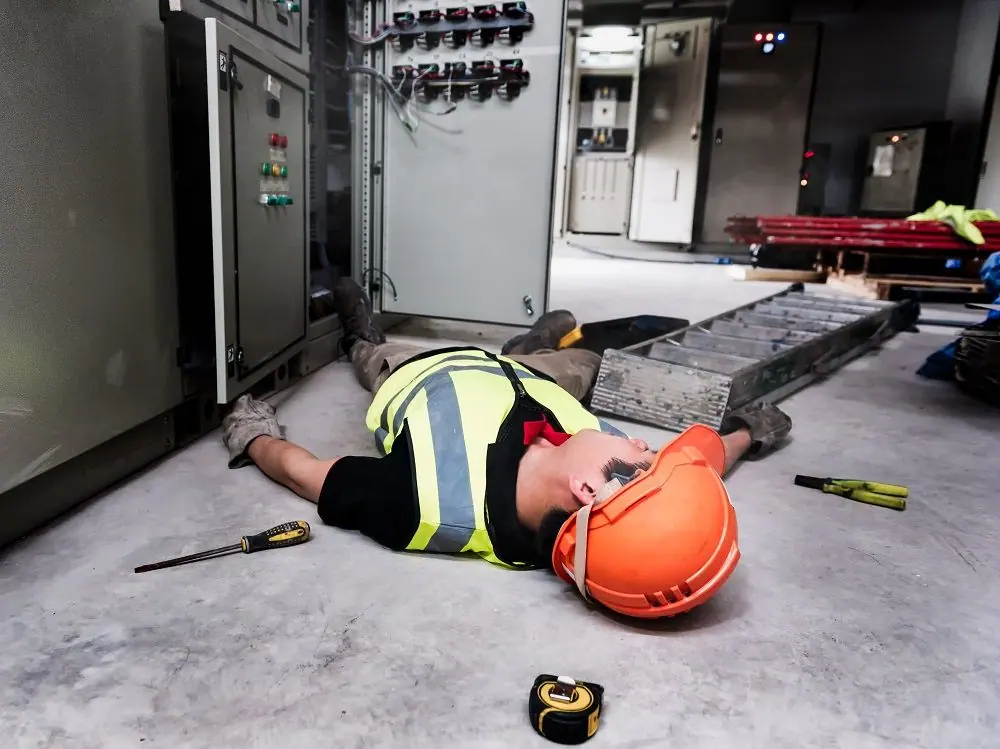

A working environment where employee safety comes first is not only a company’s commitment to its people, but also a key element of successful business. Every workplace injury, whether minor or serious, has not only an immediate impact on the injured worker, but also a considerable effect on the overall dynamics and efficiency of the team. In today’s world of constant technological and organisational change, it is essential not only to respond to workplace injuries, but also to prevent them effectively and minimise the risk of them happening.
Workplace injuries in the statistics
Looking at the statistics on workplace injuries, the number of injuries in the Czech Republic has been falling since 2000.
Historical data published by the State Labour Inspection Office show that from 2002, when 206 fatal workplace injuries were recorded, the number gradually decreased to 105 cases in 2009. It then rose slightly, but in 2021 there was a significant fall from 108 cases in 2020 to 88 cases. This trend shows a positive development and confirms the efforts to improve occupational health and safety.
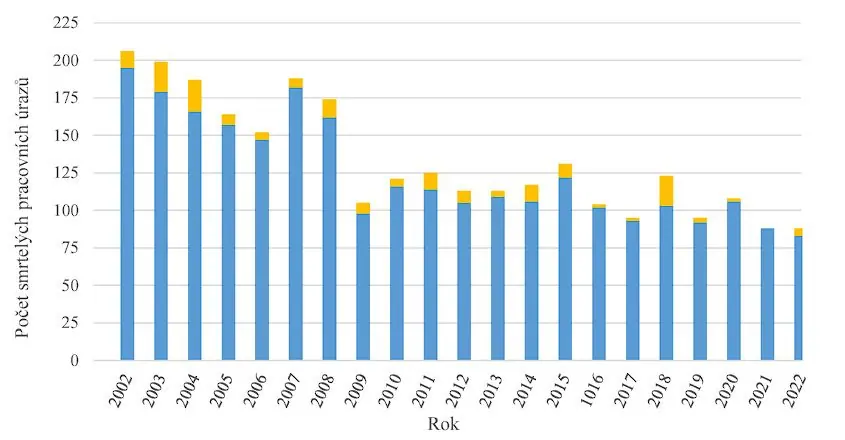
Source: Report on Workplace Injuries in the Czech Republic in 2022 – State Labour Inspection Office
By region, according to the available data, the most fatal workplace injuries in 2021 occurred in the South Moravian Region, the Central Bohemian Region, the Ústí nad Labem Region and the Pilsen Region. Naturally, workplace injuries are also more frequent among men than among women.
Causes of workplace injuries
For many years, most workplace injuries have been caused by a poorly or insufficiently assessed risk associated with carrying out a work task. Injuries are mainly linked to underestimating analysed and assessed risks, inadequate measures against risks, unforeseeable risks in the workplace or work with specific equipment.
In second place, according to the statistics, are injuries associated with dangerous procedures and ways of working. These include, for example, injuries from unsuitable work at height or maintenance of equipment while it is running. In 2021, there were a total of 737 injuries in this category, 69 of which were serious.
Accidents related to an adverse source – typically slipping, loosening or falls while stacking material – are in 3rd place among the most common workplace injuries. On the other hand, lack of familiarity and insufficient qualifications is the least common category of causes. A total of 5 workplace injuries were recorded in this category, 3 of them serious and 2 others.
Preventing workplace injuries
Preventing workplace injuries is a key element in achieving a safe working environment. Companies should pay particular attention to implementing measures and programmes that minimise risks and protect employees.
Employee safety not only reflects a company’s ethical commitment to caring for its people, but also has a significant impact on the company’s overall efficiency and competitiveness. If we approach the prevention of workplace injuries responsibly and strategically, we can create a culture in which every employee understands the importance of working safely and contributes to the shared goal – minimising injuries in the workplace.
Risk analysis and assessment
The first step in preventing workplace injuries is a thorough risk analysis and assessment. Companies should carefully assess all aspects of the working environment and identify potential hazards. This includes not only physical factors such as machinery and equipment, but also organisational aspects such as work procedures and communication.
Education and training
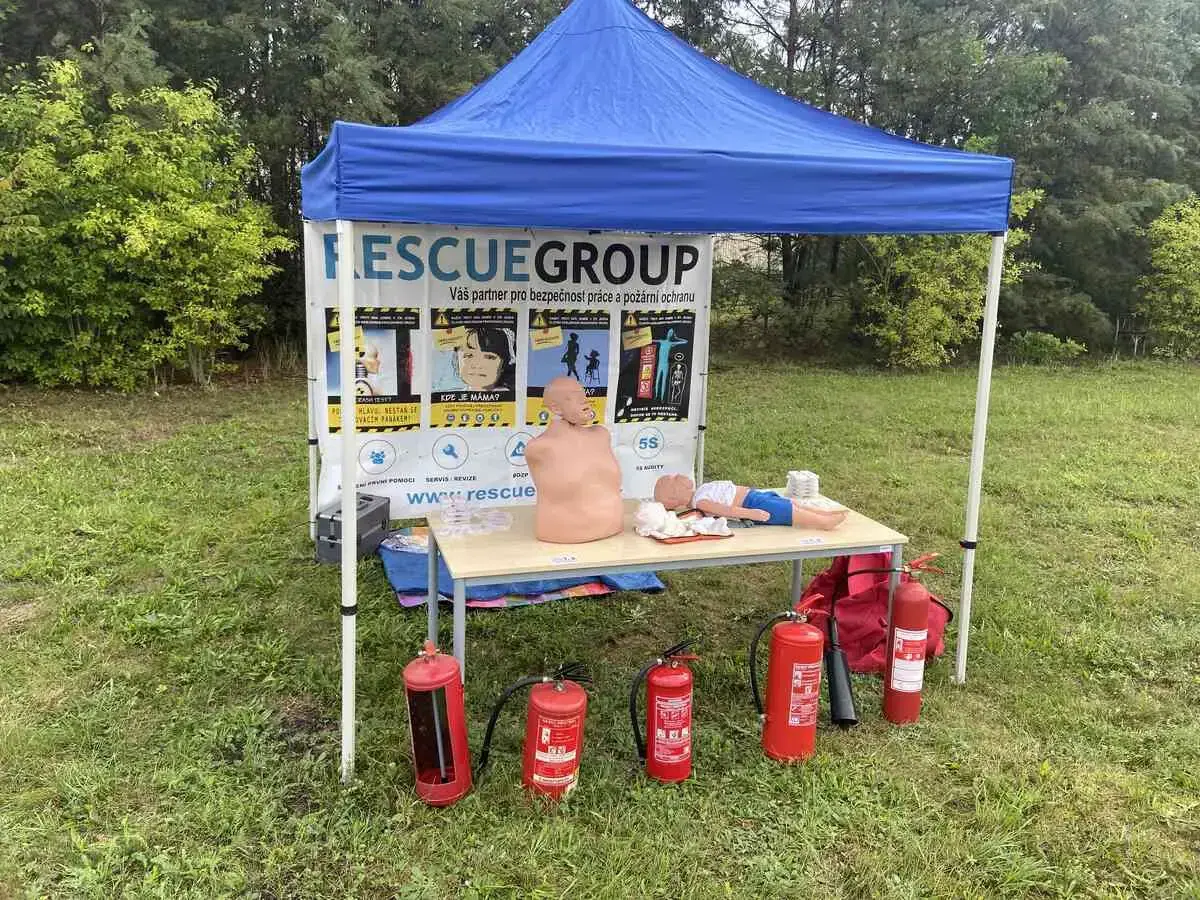
One of the main pillars of an effective health and safety programme is regular and effective employee education. Training should be not only theoretical but also practical. This includes getting to know the specific risks associated with work procedures and being able to respond to them correctly and in time. Employees should be informed about the correct use of protective equipment, such as safety helmets, glasses, gloves or fire extinguishers.
Employees should also have the opportunity to take part in regular first aid training and crisis management training. This can be crucial for a fast response to unexpected situations and for minimising the consequences of workplace injuries.
Protective equipment and technology
Effective prevention of workplace injuries also involves investing in modern protective equipment and technology. This may include ergonomic equipment, safety sensors and other innovations that reduce the risk of injury and minimise its impact.
Regular inspections and updates of safety standards
The working environment and technology are constantly changing, so it is essential to carry out regular inspections and update safety standards.
Encouraging open communication
Open communication between employees and management is important for identifying potential risks. Employees should be able to report safety concerns or suggest improvements, which contributes to continually improving working conditions.
Emergency plan and first aid
Being prepared for emergencies and being able to give first aid in the event of an injury are key elements of preventing workplace injuries. Making sure all employees are familiar with the emergency plan and can give first aid can reduce the severity of the consequences of injuries.
Effective prevention and strategic management of health and safety, fire protection and more reduce workplace injuries and improve employee health. Continually reducing workplace injuries means lower sick-pay costs, higher productivity and a better company reputation.
Do not underestimate workplace injuries
Published: 01/2024