
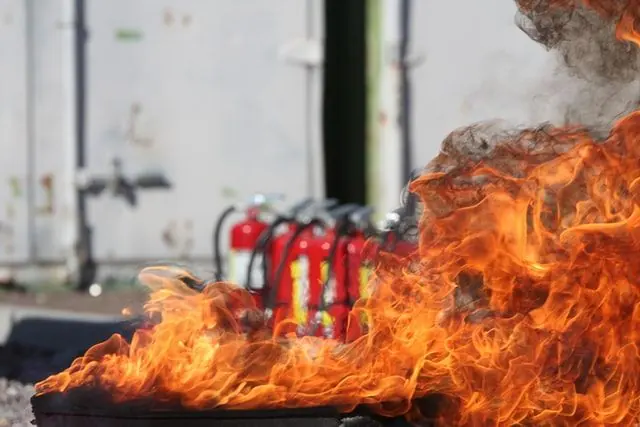
Fire equipment is an essential element for protecting health and property in all types of buildings – from homes to industrial sites. Inspecting this equipment is a key process that ensures it works properly if a fire breaks out. Timely checks and maintenance of fire equipment can have a major impact on minimising damage and saving lives.
Why fire safety inspections are essential
A fire safety inspection is a set of measures designed to verify that all fire protection systems and equipment work in line with the applicable standards and requirements. This includes not only regular checks, but also testing them under operating conditions. Fire equipment covers a wide range of devices – from fire extinguishers, hydrants and sprinkler systems to smoke detectors and emergency lighting. It is important that inspections take place on schedule, because fire equipment can wear out and its functionality can be affected by external factors such as moisture, dust or temperature changes. Regular checks ensure that all equipment will be ready when needed. If a defect is found, components can be repaired or replaced, helping to prevent situations where the equipment might fail at a critical moment.
Legislation and obligations for fire safety inspections
Fire safety inspections are not only recommended, but in many cases mandatory by law. In the Czech Republic, the requirements for inspections and maintenance of fire equipment are laid down, for example, by Decree No. 246/2001 Coll., which specifies the conditions for checking and maintaining fire extinguishers, hydrants and other fire protection equipment. The decree sets out how inspections are to be carried out, who is authorised to carry them out and the deadlines for checks.
The role of documentation in inspections
Besides checking the equipment itself, it is important to keep detailed records of all inspections and maintenance carried out. This fire log is essential not only for meeting legal requirements, but also in dealings with insurers or inspection authorities. Missing fire documentation or an inadequate inspection can lead to an insurance claim being rejected after a fire.

How a fire safety inspection works
A fire safety inspection consists of several steps, including a visual check, functional testing and measuring parameters.
Visual check
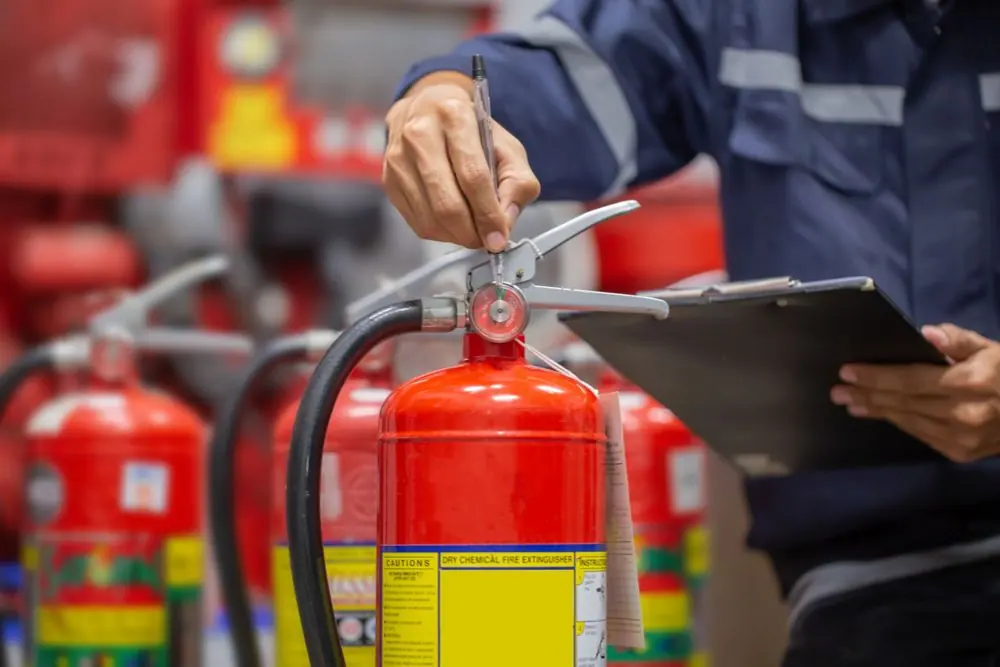
At the start of the inspection, the fire equipment is thoroughly examined. The inspector checks whether the equipment is damaged, whether hoses are dirty, and whether fire extinguishers are empty or corroded.
Functional testing
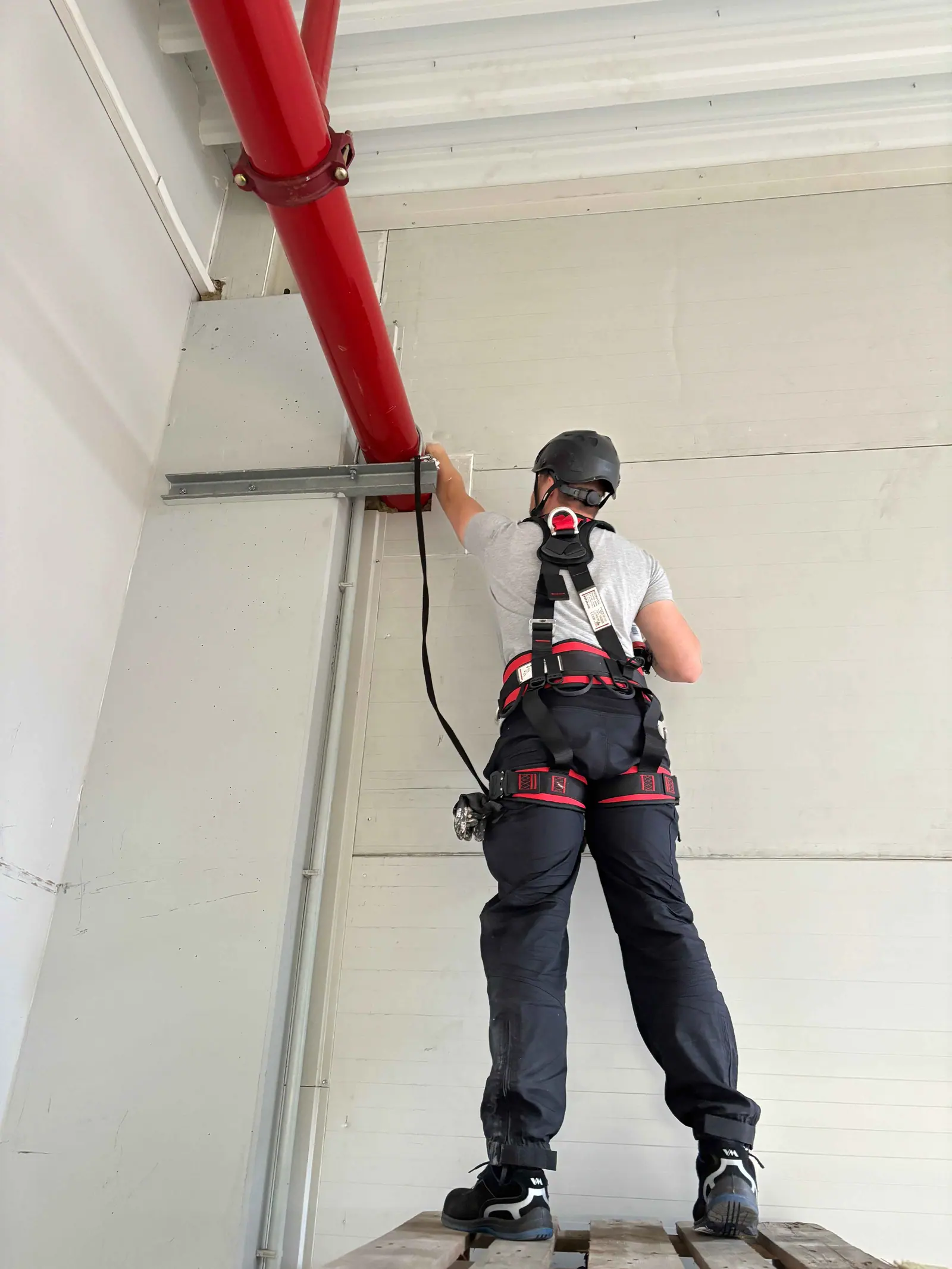
An important part of inspections is functional testing, in which experts test the individual parameters of the equipment – that is, whether it works as it should. For fire extinguishers, for example, the pressure, the operation of the trigger and the condition of the seals are checked. For fire hydrants, the water pressure and flow are tested. For automatic systems such as sprinklers, the sensitivity and reliability of fire detection are tested. The inspection also includes checking all fire safety closures, firestop seals and doors designed to prevent fire and smoke from spreading in a fire.
Measuring parameters
For some types of equipment, specific parameters need to be measured, for example the light intensity of emergency lighting or the functioning of sirens and warning systems.
The main activities in fire safety inspections
To give you an idea, here are the most common checks carried out during an inspection of fire equipment to ensure it is fully functional and ready:
- Checking fire extinguishers – their condition, functionality, pressure and any visible damage or corrosion are checked.
- Testing hydrants – the water pressure, the availability of hoses and their overall condition are checked, including a rapid deployment test.
- Inspecting smoke and heat detectors – their sensitivity, reliability and battery condition are tested.
- Sprinkler systems – the correct operation of the valves, the water pressure in the pipes and their functioning in a simulated fire are tested.
- Emergency lighting and evacuation signals – the light intensity and reliability of warning signals are checked.
- Fire doors and closures – their resistance, correct closing and whether they prevent smoke and flames from spreading are tested.
- Documentation and records – all checks carried out are entered in the fire log, which is key to tracking compliance with the regulations.
These steps not only ensure that all equipment meets fire standards, but also strengthen overall fire safety and the protection of property and lives.
Common shortcomings in fire protection
Fire safety inspections regularly uncover typical shortcomings that can significantly affect how effective a building’s fire protection is. One of the most common problems is incomplete or inadequate marking of escape routes. Poorly marked or unmarked escape routes can cause confusion during an evacuation and make a quick escape harder. Clear direction signs, clearly marked emergency exits or accessible evacuation plans are often missing, which can endanger lives in a fire.
Another problem is neglected maintenance of fire extinguishers. Worn or poorly maintained fire extinguishers can fail at a critical moment. Typical shortcomings include low pressure, corrosion, damaged seals or missing safety pins, which significantly reduce their effectiveness and reliability in a fire. Faulty fire alarms are another serious problem. Smoke detectors, fire alarm call points or warning sirens can fail because of flat batteries, electronic faults or incorrect installation – yet early warning is key to a fast evacuation and preventing the fire from spreading.
Escape routes should always be clear and easily accessible, but they are often blocked by furniture, stored material or other obstacles. This significantly slows down evacuation and can lead to dangerous situations in a panic. Another mistake is poor checking and maintenance of automatic fire suppression systems such as sprinklers. These systems need regular checks and maintenance to stay in working order. Neglected maintenance can lead to blocked nozzles, low water pressure or incorrect activation.
Insufficient employee training is also a significant problem. Employees should be trained regularly in how to use fire extinguishers correctly, where to evacuate to and how to respond when the fire alarm goes off. A lack of training can lead to ineffective and risky behaviour in a fire.
Missing or outdated fire protection documentation is another common problem. Records of regular checks and maintenance of fire equipment must be up to date and available. Missing records can mean non-compliance with legal standards and complications with insurers or inspection authorities. These problems significantly increase the risk in a fire and endanger the safety of employees and property. It is therefore essential that organisations put the emphasis on good safety procedures, thorough checks and regular training for all employees in using fire equipment.
Inspections as part of prevention
Fire safety inspections play a crucial role in preventing fires and their consequences. Although the events themselves cannot be prevented, inspections make it possible to minimise the risks and ensure that equipment will be ready to act when needed. That can mean the difference between a minor incident and a disaster with fatal consequences. For organisations, it is therefore essential not to take fire safety inspections lightly. Employees should be trained regularly in fire protection – for example, in how to use fire extinguishers correctly and how to respond in a fire. Checking and maintaining fire equipment must be part of the company’s safety policy, not only to meet legal obligations, but as part of a wider commitment to protecting the health and property of everyone involved.
A fire safety inspection is a process with a far-reaching impact on the safety of every building. Regular checks and maintenance of fire extinguishers, hydrants, detectors and other fire protection equipment not only meet legal requirements, but above all protect lives and property. Investing in proper maintenance and inspections is an investment in safety that pays off in every situation. Responsibility for the condition of fire equipment should lie at every level of the organisation, both in business and at home.
If you need fire safety inspections, do not hesitate to contact us.