Pressure vessels are at the heart of many industrial operations, from production halls to healthcare facilities. Operating them safely, however, requires regular inspections that ensure not only compliance with strict standards, but also the protection of employees and property. Find out why pressure vessel inspections are essential, how they work and how a professional approach can save you time and worry.
What pressure vessels are and why they need inspecting
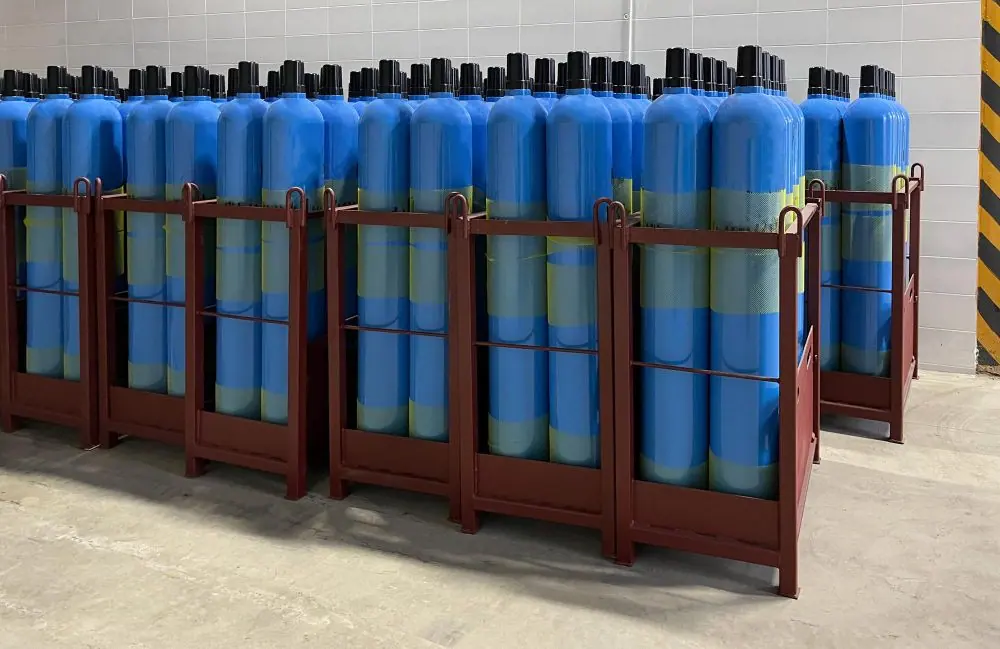
Pressure vessels, such as air receivers, gas tanks or LPG tanks, are key elements in industry, energy and healthcare, where they keep many processes running smoothly. This equipment is designed to hold media under high pressure, which brings significant risks such as corrosion, leaks or mechanical damage. To ensure their safety and functionality, the law requires operators to carry out regular inspections and tests. These checks are not just an administrative burden, but an essential measure that protects employees, property and the environment from potential accidents.
Regular inspections help prevent faults that could have serious consequences, including leaks of hazardous substances or explosions. Every pressure vessel must have an inspection logbook that records its technical parameters, maintenance history and inspection results in detail. Not having a valid inspection can result not only in fines from the inspection authorities, but also in the equipment being temporarily taken out of service, which can cause significant operating losses and disrupt production.
The importance of pressure vessels in industrial operations
Pressure vessels are the backbone of many technological systems. In industrial operations they store the compressed air or gases needed to drive machinery; in the energy sector they ensure a stable supply of energy for production; and in healthcare they allow oxygen and other gases to be stored safely. Their design must meet strict requirements, such as the ČSN 690010 standard, which sets out technical parameters and safety features such as safety valves and pressure gauges. Even so, not even the most modern vessel is immune to wear – factors such as high pressure, temperature fluctuations or aggressive media can weaken the material over time.
The risks of operating pressure vessels
Operating pressure vessels involves several potential hazards that inspections help eliminate. Corrosion, caused for example by moisture or chemical reactions, can weaken the walls of the vessel. Leaks in fittings or joints increase the risk of the medium escaping, which is particularly dangerous with flammable gases such as LPG. Mechanical damage, such as abrasions or deformation caused by incorrect handling, can compromise the structural integrity of the equipment. These problems can remain hidden without an expert check, which is why regular inspections are essential for detecting and dealing with them early. We will also prepare a complete risk register for you, setting out all the possible injury risks and hazards in the workplace.
The role of inspections in prevention and compliance
Pressure vessel inspections are not only a legal obligation, but also a strategic tool for keeping operations running without interruption. Under the ČSN 690012 standard, vessels must be checked regularly at intervals determined by their type and operating conditions. For example, an operational inspection is usually carried out once a year, while internal inspections and pressure tests have longer intervals (5 and 9 years). These checks include visual inspections and tightness and pressure tests, which verify that the vessel meets safety standards and can withstand operating demands.
The inspection logbook is a key document that accompanies the vessel throughout its life. It contains technical specifications, such as maximum operating pressure, volume and material, as well as records of every inspection, repair or modification. This document is essential during inspections by the authorities and serves as proof that the vessel is maintained in line with the law.
The consequences of neglecting inspections
Operators who neglect regular inspections expose themselves to serious risks. In addition to financial penalties, which can reach tens of thousands of crowns, they risk interruptions to operations, which can lead to outages in production or services. In extreme cases, neglected maintenance can cause an accident that endangers employees’ health, damages property or pollutes the environment. For example, LPG leaking from a faulty tank can cause a fire or explosion with devastating consequences. Regular inspections minimise these scenarios by making sure every part of the vessel – from the body to the fittings – is in perfect condition.
Types of pressure vessel inspection
Pressure vessel inspections are a key process for ensuring their safety and compliance with standards. Each type of inspection has a specific purpose and frequency determined by operating conditions and legislation, such as ČSN 690012 or Decree No. 18/1979 Coll. These checks differ in their focus and technical requirements so that they cover every aspect of the equipment’s functionality and safety. The first step when a new or rebuilt vessel is put into service is the initial inspection, which thoroughly verifies compliance with technical standards such as ČSN 690010. During it, the technician checks that the necessary safety features, such as safety valves and pressure gauges, are present and verifies that the documentation is complete. Once this inspection has been passed, a report is issued that becomes an integral part of the inspection logbook and serves as the basis for further checks.
Once the vessel is in service, the first operational inspection must be carried out within 14 days, and it is then repeated regularly, usually once a year, or every two years for LPG tanks. This inspection focuses on the safety of the equipment during normal operation, examining the condition of the fittings, measuring instruments and overall functionality to prevent risks such as leaks or faults. Another important type is the internal inspection, required at least every five years, although the interval may be shorter for older vessels or in demanding operations. During this check, the technician carefully examines the inner walls of the vessel for signs of corrosion, deposits or mechanical damage, and then carries out a tightness test at operating pressure, often using a hydraulic or pneumatic method, to verify the integrity of the equipment.
Every nine years (every twelve years for LPG tanks), a pressure test is required, which tests the vessel’s resistance at a pressure higher than the maximum operating pressure stated in the inspection logbook. This test is also mandatory after repairs, after the vessel has been moved or if its limit parameters have been exceeded, to guarantee its reliability. Vessels fitted with a membrane are not pressure tested, as this could damage the membrane. Each type of inspection plays an irreplaceable role in preventing faults and ensures that pressure vessels, whether used in industry, energy or healthcare, remain safe and operational.
How a pressure vessel inspection works
The pressure vessel inspection process is thorough and technically demanding, requiring a combination of expertise, experience and state-of-the-art equipment to ensure maximum safety and compliance with standards. It starts with a careful analysis of the documentation, including previous inspection reports and technical specifications such as maximum operating pressure or construction material. This step is key to understanding the history of the equipment and identifying any previous problems. The technician then carries out a visual check, examining the outer and inner surfaces of the vessel for signs of corrosion, microcracks, deformation or wear on the fittings. Modern technologies such as endoscopic cameras or ultrasonic wall thickness gauges make it possible to detect even hidden defects that could compromise the equipment.
An important stage of the inspection is the tightness and pressure tests, which test the vessel’s resistance to operating conditions. The tightness test, often carried out hydraulically or pneumatically, verifies that there are no leaks, while the pressure test simulates extreme conditions at a higher than normal pressure to confirm structural integrity. These tests are carried out in strict compliance with the standards and require precise, calibrated instruments so that the results are reliable. Inspections may only be carried out by a certified technician holding a certificate of professional competence. This professional must have not only theoretical training, but also practical experience with different types of vessel, from air receivers to LPG tanks, in order to assess their condition correctly.
When the inspection is complete, the technician writes a detailed report summarising the findings, including the technical condition, any shortcomings and recommendations for further maintenance or repairs. If serious defects are found, such as damaged welds or advanced corrosion, the technician may decide to take the vessel out of service temporarily until the defects have been put right. This step not only protects the operator from possible accidents, but also keeps employees safe and ensures legal compliance. Our services include not only these careful checks, but also advice on managing vessels optimally so as to extend their life and minimise risks. With modern diagnostic methods and an experienced team, we give you confidence that your equipment meets all requirements and is ready for safe operation.
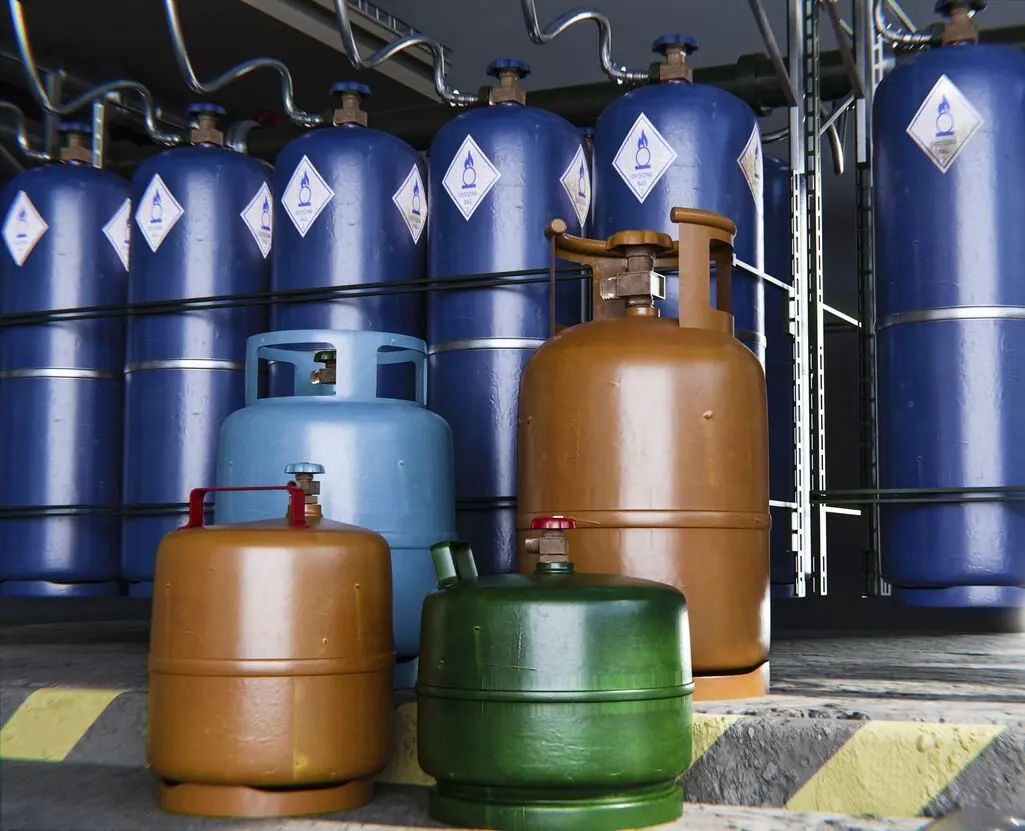
Why leave pressure vessel inspections to professionals
Managing pressure vessels goes beyond simply complying with the law – it is a comprehensive process that keeps employees safe, protects property and keeps operations running efficiently. Using advanced measuring technology and many years of experience, we guarantee your equipment will comply with strict standards and be ready for trouble-free operation.
A professional approach to managing pressure vessels brings operators tangible benefits. Our qualified technicians carry out thorough checks that allow small defects, such as the early stages of corrosion or wear on fittings, to be detected before they turn into serious problems. In this way we not only minimise the risk of accidents, but also help extend the life of the vessels and optimise their performance. After each inspection we provide a detailed analysis of the condition of the equipment along with recommendations for preventive maintenance or repairs, saving time and money.
Our services are designed to be flexible and adaptable to the needs of different businesses, from small workshops to large industrial complexes. We prepare complete documentation, including inspection reports, which makes communication with the inspection authorities easier and ensures legal compliance. This allows operators to focus fully on their core business while we take care of the technical and administrative side of managing the vessels. This comprehensive approach not only increases safety, but also supports the long-term sustainability and cost-effectiveness of operations, which is particularly valuable in demanding industrial sectors.
Legal requirements and standards for pressure vessels
The operation of pressure vessels is governed by strict regulations that ensure safety and health protection. The key standards include:
- ČSN 690010: defines the technical rules for stationary pressure vessels, including categorisation and documentation requirements.
- ČSN 690012: sets out the operating requirements, including the deadlines for inspections and tests.
- Decree No. 18/1979 Coll.: sets out the obligations of operators of designated pressure equipment.
- Government Regulation No. 192/2022 Coll.: specifies the safety and inspection requirements for pressure equipment.
Every vessel must be fitted with a pressure gauge and a safety valve (if the design allows), and it may only be operated by a trained person over 18. Operator training must be renewed at least every 3 years.
The benefits of regular pressure vessel inspections
Regular inspections bring a number of benefits:
- Safety – they minimise the risk of accidents and injuries.
- Legal compliance – they ensure compliance with the standards, so you avoid fines.
- Longer life – detecting defects early extends the life of the vessels.
- Efficient operations – they prevent unplanned shutdowns and financial losses.
Our services will help you keep your vessels in optimal condition, whether air receivers, LPG tanks or specialised vessels for industrial applications.
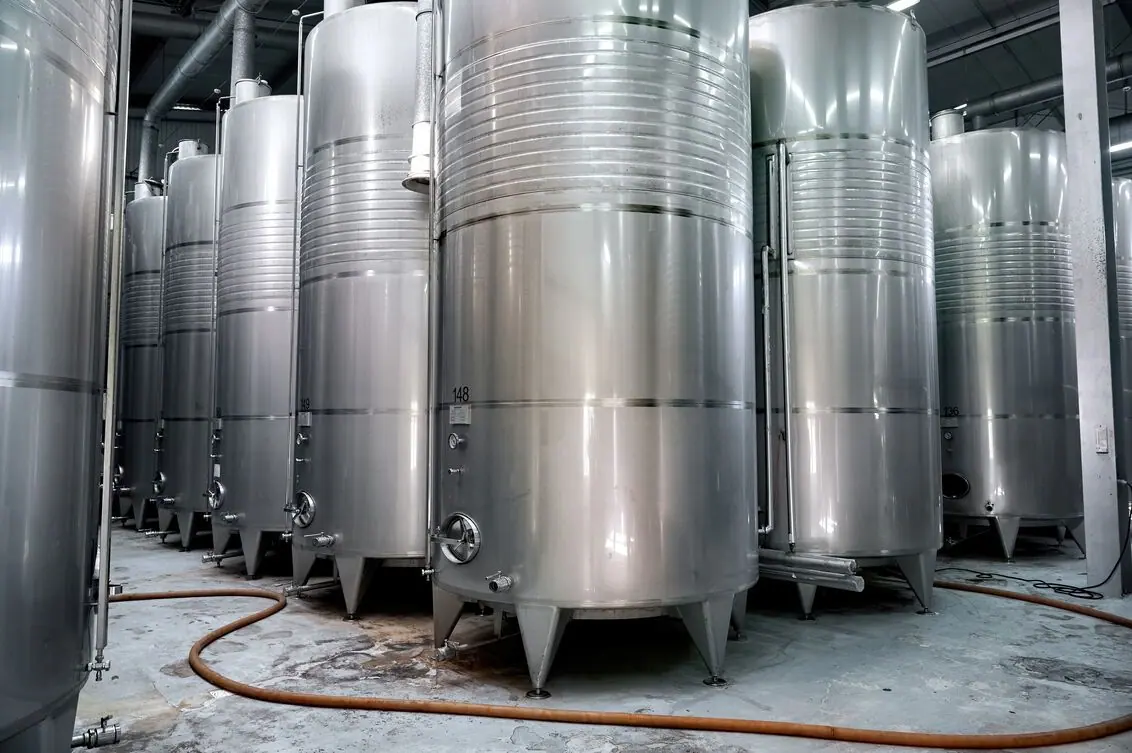
Our care for pressure vessels
Our services provide comprehensive care for pressure vessels, covering everything from the initial checks when equipment is put into service and regular annual and five-yearly inspections to detailed technical consultations. This approach ensures your vessels – whether used for compressed air, LPG or medical gases – meet the highest safety standards. We use advanced diagnostic tools, including ultrasonic gauges and endoscopic systems, which allow the condition of the vessels to be assessed precisely, reveal potential weaknesses such as early corrosion or microcracks, and help prevent failures.
Every step of the inspection process is carefully designed to meet strict legal requirements while maximising operational efficiency. Our experts also advise on optimal maintenance and documentation management, which makes communication with the inspection authorities easier and simplifies meeting your legal obligations.
This comprehensive approach gives operators peace of mind that their equipment is not only safe, but also ready for long-term, reliable operation. Whether you run a small operation or a large industrial site, our services are tailored to your specific needs to support the smooth running of your business. By combining modern technology, an experienced team and attention to detail, we help you minimise risks, extend the life of your vessels and keep them compliant, contributing to both the safety and the cost-effectiveness of your operations.
Protect your operations with professional pressure vessel inspections.