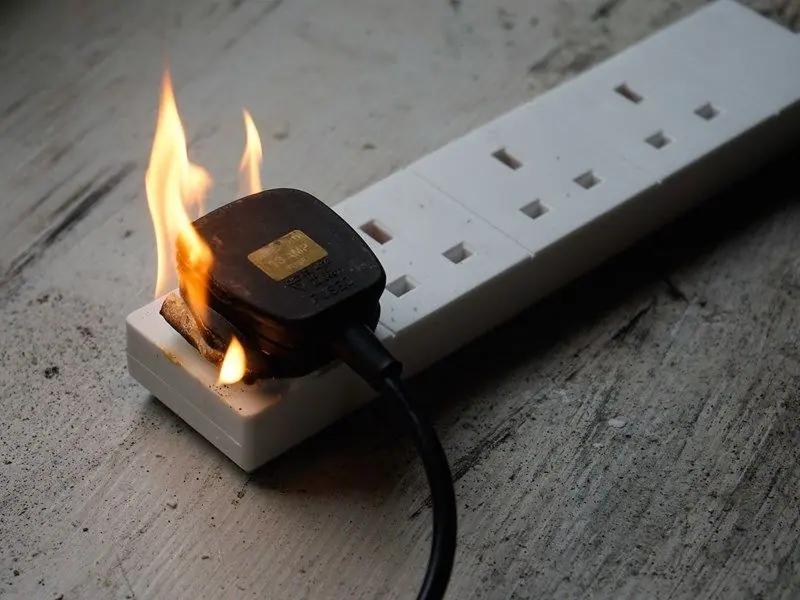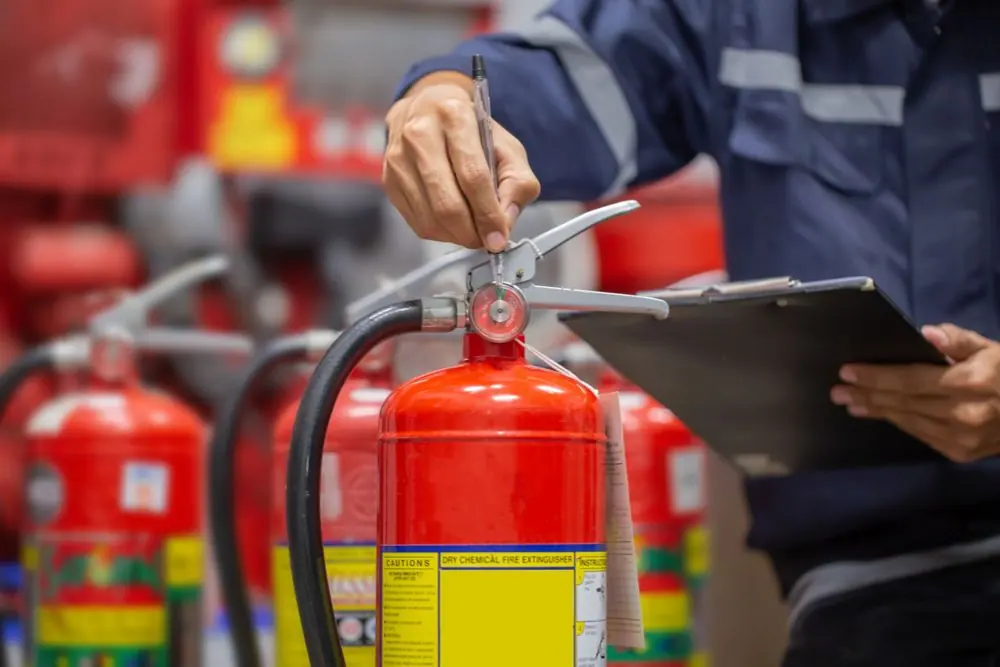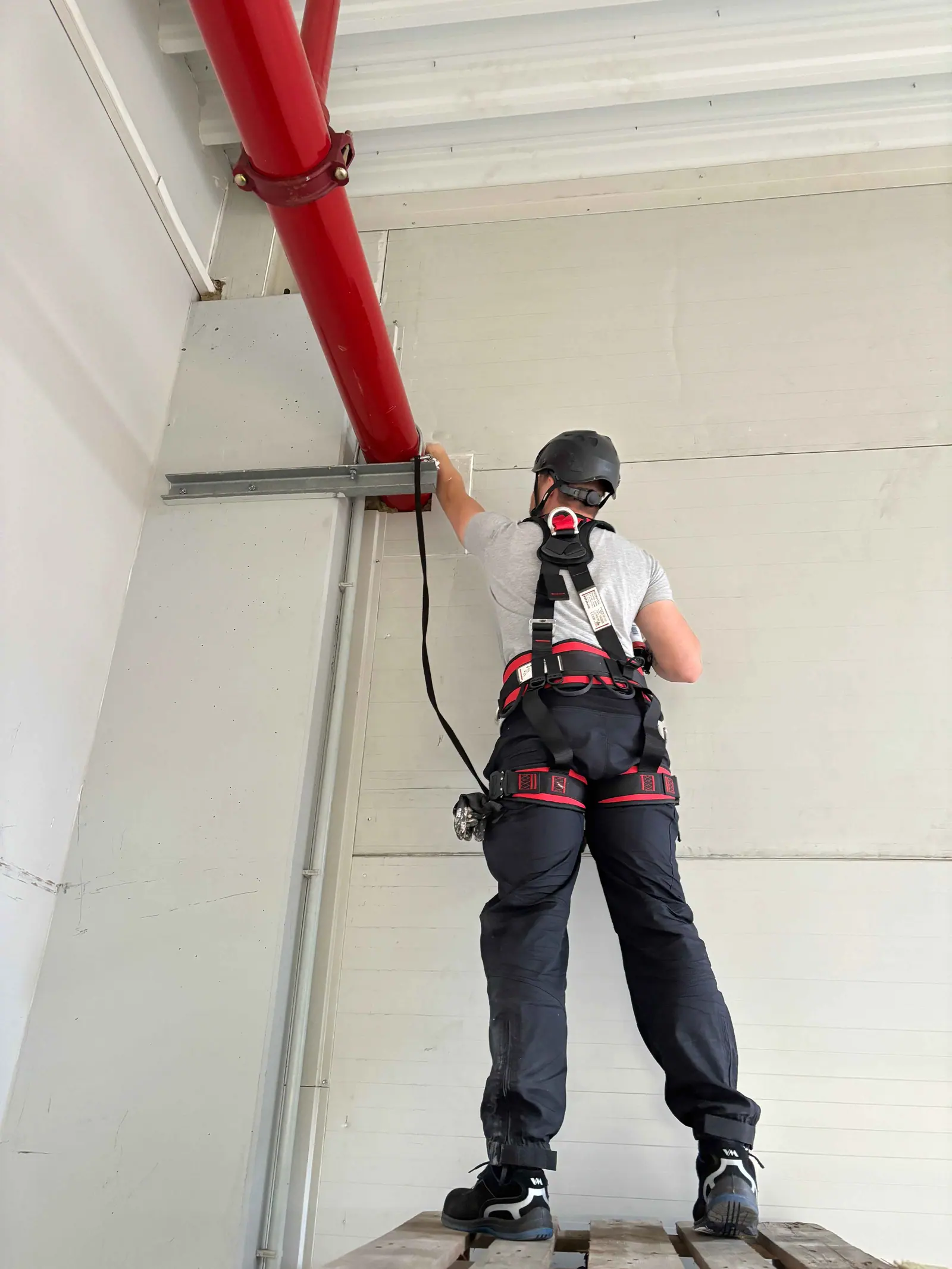
The safety of electrical equipment is fundamental to protecting health and property. Regular inspections of electrical installations and appliances help prevent risks. As operators or owners, you are obliged to keep to the prescribed intervals. At Rescue Group we carry out inspections of electrical equipment professionally and in line with the applicable standards. Our inspection technicians will make sure your equipment meets the requirements. You get not only an inspection report, but also the certainty of insurance cover in the event of an incident.
Why electrical inspection intervals matter
In the Czech Republic, inspection intervals are set by the standard ČSN 33 1500. The aim is to verify that the equipment is safe and working. Inspections reveal hidden defects that could lead to an electric shock or a fire.
Failing to keep to the intervals can have serious consequences. Insurers often do not pay for damage if an inspection is missing or has expired. Regular checks extend the life of equipment and reduce repair costs.
Types of inspection and the basic categories
Inspections of electrical equipment fall into two basic types: initial and periodic.
An initial inspection is mandatory before equipment or an installation is put into service for the first time. It is carried out after a new installation, a renovation or a major repair. The aim is to verify that the work has been done correctly and complies with the standards. Without a satisfactory initial inspection, the equipment cannot be safely put into operation. The inspection technician issues a report that serves as proof for putting it into service.
Periodic inspections follow the initial one and are repeated at prescribed intervals. They are used for ongoing checks of the equipment’s condition during operation, revealing wear, damage or defects that develop over time.
The intervals for periodic inspections are set by ČSN 33 1500. They are not fixed for all cases, but depend mainly on the type of environment and the level of risk.
The standard distinguishes environments according to the external influences that affect electrical equipment. These include normal environments (dry, without increased humidity or dust, such as offices and flats), damp or wet environments (bathrooms, kitchens, swimming pools), outdoor environments, dusty or corrosive environments (workshops, production halls), areas with a risk of explosion (petrol stations, paint shops) and areas with mechanical stress (shocks, vibration).
The standard also takes into account the location and purpose of the building. Intervals in flats and family houses tend to be longer than in industrial halls or on construction sites, where the risk is higher.
At Rescue Group we always assess the specific environment of your equipment. On that basis, we determine the exact interval and recommend an optimal inspection plan. This ensures legal compliance and minimises risks.
Periodic inspection intervals by environment
According to ČSN 33 1500, the intervals are set as follows:
- Normal environment (offices, flats): 5 years
- Outdoor environment or under a shelter: 4 years
- Damp, dusty or corrosive environment: 3 years
- Areas with vibration or a fire risk: 2 years
- Wet or extremely aggressive environment: 1 year
These intervals apply to electrical installations. For lightning protection the intervals are shorter – a visual check every 1–2 years and a full inspection every 2–4 years depending on the protection class.
Specific intervals for selected premises
Some premises have stricter requirements because of the higher risk:
- Schools, hotels, recreational facilities: 3 years
- Premises for gatherings of more than 250 people: 2 years
- Construction sites: 6 months
- Rooms with a bath or shower: 3 years
- Swimming pools: 1 year
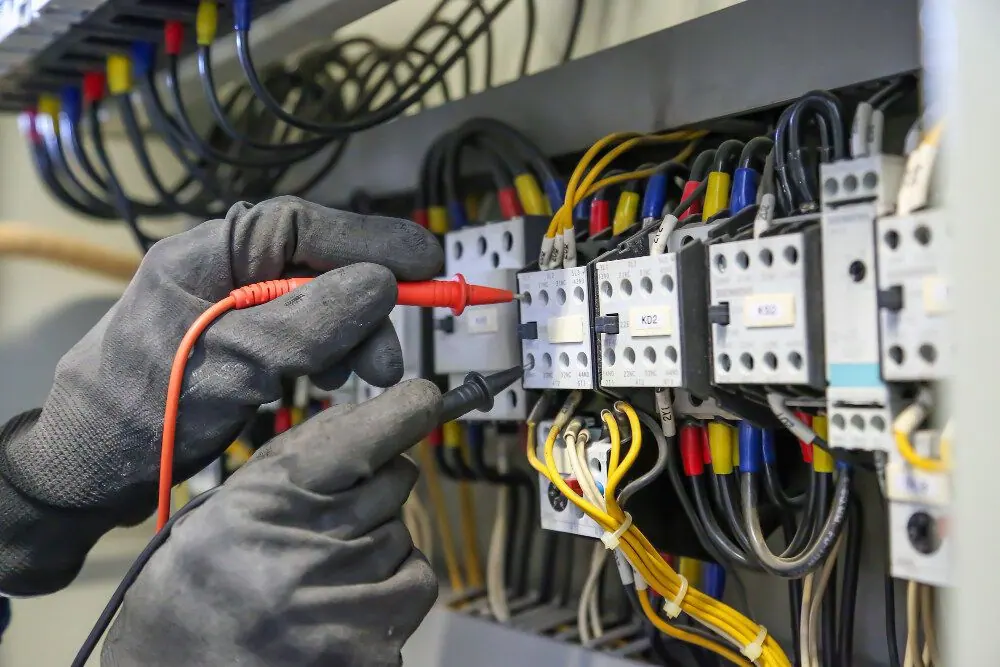
Frequently asked questions about inspection intervals (Q&A)
What are the inspection intervals in a flat?
In blocks of flats, usually 5 years for common areas. An inspection is not mandatory for individual flats, but it is recommended for safety.
What if I miss an inspection deadline?
You risk your insurance claim not being paid. We recommend scheduling a new inspection immediately.
Do the same intervals apply to companies and households?
For companies the intervals are stricter because of health and safety requirements. Households have a more relaxed regime, but safety is just as important.
How often should lightning protection be inspected?
Visually every 1–2 years, fully every 2–4 years depending on the lightning protection system (LPS) class.
Who carries out inspections?
Only a qualified, certified inspection technician.
Leave inspections to the experts
Regular inspections of electrical equipment are more than a legal obligation. They are a key step towards the long-term protection of your property and the health of your employees and family. Detecting potential problems early allows them to be solved quickly and significantly reduces the likelihood of serious failures.
At Rescue Group we understand that every building and every installation is unique. That is why we take an individual approach. Our inspection technicians have the latest measuring equipment and in-depth knowledge of current standards. Every inspection ends with a detailed report with clear recommendations to help you keep your equipment in optimal condition between inspections.
Working with us means not only meeting legal requirements, but above all sleeping soundly knowing that your electrical equipment is looked after by experts. We offer flexible dates, fast turnaround and favourable prices for small and large clients alike.
If your next inspection is approaching or you are not sure about the current state of your documentation, do not hesitate to contact us. We will be happy to help you set up the ideal plan of regular checks for your needs.
Keep your electrical inspections in order.