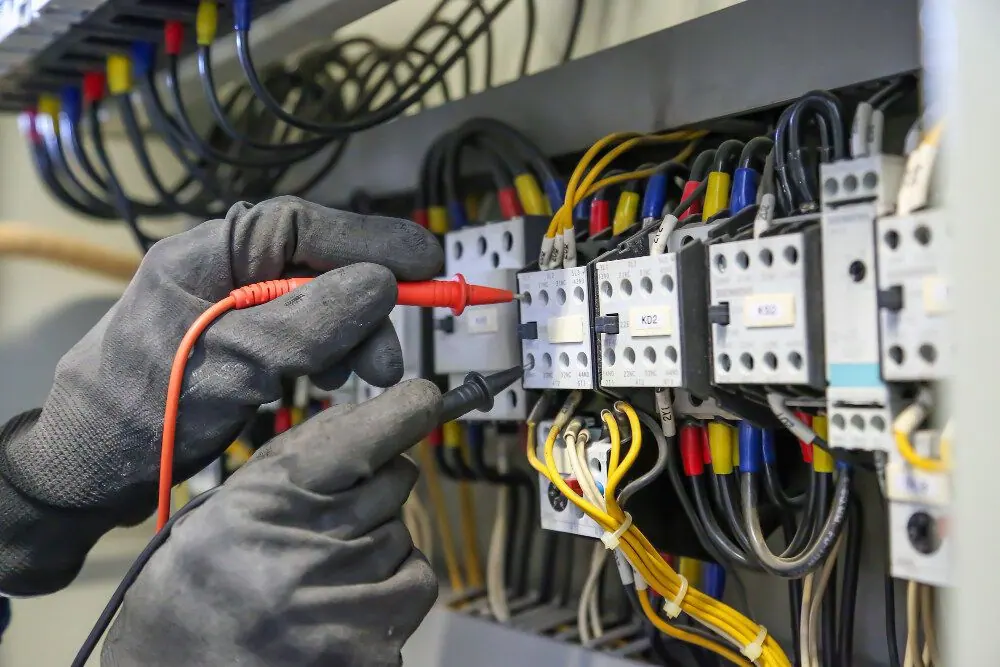
Inspections of electrical equipment are an essential part of everyday maintenance and operation, not only in industrial buildings, but also in homes and public buildings. The aim is to make sure all electrical installations and equipment work properly and comply with the applicable standards, which is key to preventing faults, fires and other dangerous situations. Inspections also help extend the life of equipment, improve its energy efficiency and avoid costly repairs.
What an electrical inspection involves
An electrical inspection involves a comprehensive, detailed check of all parts of the electrical installation and connected equipment, such as wiring, fuses, circuit breakers, sockets, lighting circuits and other components. Its aim is to verify that all equipment complies with current standards and contains no hidden defects that could cause faults in the future or even endanger users’ safety.
An electrical inspection includes a comprehensive check of all components of the installation and connected equipment, including:
- Wiring – checking the quality of conductors and their connections, which must be in perfect condition to carry electricity safely.
- Fuses and circuit breakers – verifying that protective devices that guard against overload and short circuits work properly.
- Sockets and lighting circuits – checking that all connections are safe and secure, reducing the risk of injury or fire.
- Protective devices – checking residual current devices and other protective systems that prevent electric shock.
How the checks and tests are carried out
When inspecting electrical installations, several key tests and checks are important. Insulation resistance measurement verifies that conductors are properly insulated, which helps prevent losses and the risk of injury. The earthing is also checked, because properly earthed equipment significantly reduces the risk of electric shock. Verifying that protective devices such as residual current devices and circuit breakers work is essential for protection against overload and short circuits. Finally, the wiring is tested to make sure all equipment and circuits are connected in line with safety regulations.
The aim of an electrical inspection
The aim of an electrical inspection is to make sure all parts of the installation comply with current standards and regulations. It also checks that there are no hidden defects that could lead to faults or dangerous situations in the future. The inspection also establishes whether the installation is safe for ordinary users and whether the equipment has suffered wear or mechanical damage. This process is essential for maintaining a high standard of safety and ensuring the long-term reliability of electrical systems.

The legal framework and standards for electrical inspections
In the Czech Republic, electrical inspections are carried out on the basis of the standard ČSN 33 0010 ed. 2, which focuses on the safety of electrical equipment and its protection against the effects of atmospheric and static electricity. The standard applies to all equipment that may pose a risk to human health, animals, property or the surrounding environment.
The main aspects of this standard include ensuring the safety of electrical equipment, which must meet all the required safety provisions. The standard also sets standardised requirements for periodic inspections, initial inspections and reports on their results. Inspection intervals are set according to the type of environment in which the equipment is located and the type of equipment, including lightning protection and protective devices.
When an inspection is necessary
Under Czech regulations, electrical inspections are mandatory and should take place at regular intervals set according to the type of equipment, how it is used and the environmental conditions. For some equipment an inspection is required every year, while for others the interval may be longer. For certain types of equipment, such as lightning protection, an inspection is mandatory at least once every three years. Electrical inspections are also carried out after any work on the electrical installation, such as renovation, replacement or the installation of new equipment. An inspection is also carried out after any extraordinary event, such as a fire, flood or other natural disaster that could damage the installation.
Electrical inspection intervals
Different types of environment and equipment require specific inspection intervals:
- Every six months – temporary installations.
- Every year – wet environments, extremely corrosive environments, mobile and transportable equipment.
- Every 2 years – areas with a risk of fire or explosion, environments with vibration.
- Every 3 years – environments with increased corrosive aggressiveness, hotels, schools, recreational premises.
- Every 4 years – outdoor environments, areas under a shelter.
- Every 5 years – other premises without specific risks.
Why inspections matter so much
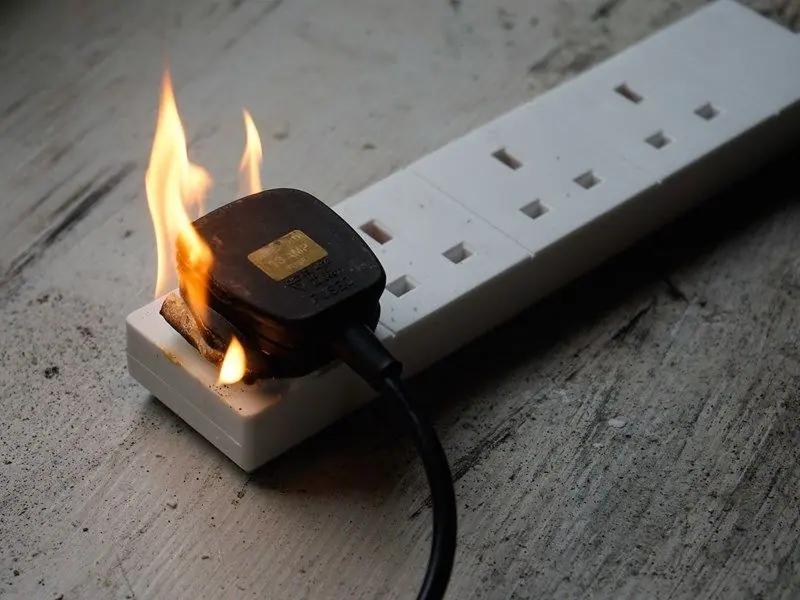
The main reason why electrical inspections are so important is safety. Electrical equipment that is not properly maintained or does not comply with technical standards can pose a serious risk of fire, electric shock or other dangerous situations. A proper inspection not only uncovers hidden defects, but also allows timely intervention to prevent accidents. Beyond safety, regular inspection also makes equipment run more efficiently.
The check may also reveal minor defects that could otherwise lead to bigger problems and costly repairs. Repairing or replacing damaged components in time can extend the life of equipment and reduce operating costs. An inspection is also a good tool for optimising energy consumption, because modernising older equipment or fixing inefficient wiring can lead to significant energy savings.
How an inspection works and who carries it out
An electrical inspection is a highly specialised process that must be carried out by a qualified, certified technician. The task should be entrusted to specialists who have not only theoretical knowledge, but also practical experience of electrical installations and safety.
The inspection procedure at Rescue Group
At Rescue Group we provide comprehensive inspection services for a wide range of electrical equipment. Our team of specialists holds not only the certificates and licences required to carry out inspections, but also many years of experience, which guarantees high-quality work.
Visual check
The inspection starts with a detailed visual check of the electrical installation, in which our experts examine all visible parts of the wiring, sockets, circuit breakers and other equipment.
Insulation resistance measurement
Next, we carry out measurements of insulation resistance, check the earthing and verify that protective devices such as residual current devices work. We focus not only on compliance with the applicable standards, but also on identifying potential problems that could compromise safety or the proper functioning of the equipment in the future.
Inspection report
After all the checks, we prepare a detailed inspection report containing not only the defects found, but also recommendations for repairs or modifications to the installation. If the inspection reveals any non-compliant components or breaches of safety regulations, the equipment is immediately marked as non-compliant and steps are proposed to bring it into line with the standards. The inspection report summarises all shortcomings found and recommendations for repairing or replacing equipment. If equipment does not meet safety standards, the inspection technician may recommend taking it out of service or repairing it until the defects have been removed.
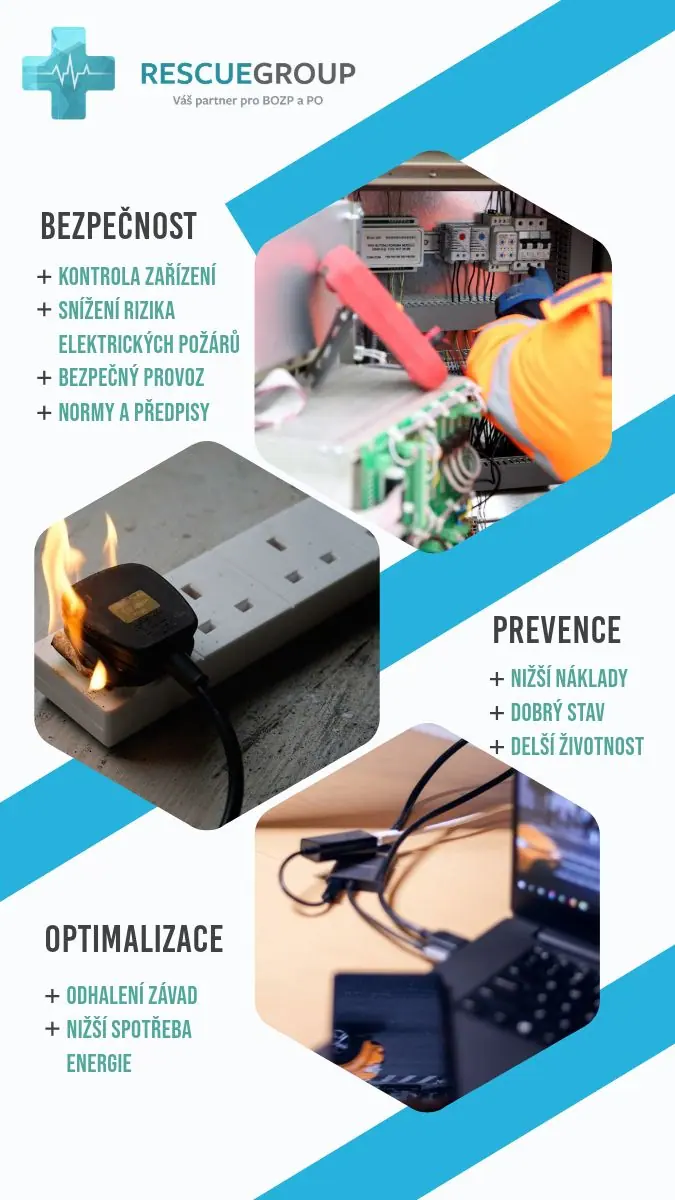
Electrical inspections are an integral part of preventing the risks associated with using electricity. They not only protect users from danger, but also extend the life of equipment and ensure the electrical installation runs efficiently. Today, when safety comes first, regular inspection is a key step that should not be neglected. Remember that it is always better to pay attention to prevention in time than to face the consequences of neglected maintenance.
Need your electrical equipment inspected? Do not hesitate to contact us.