
Workplace injuries are unfortunately a common part of working life, and although they cannot be eliminated completely, the risk can be reduced significantly. Regular risk assessment, following occupational health and safety rules and good work habits can help prevent injuries and create a safer working environment. We also look at the most common causes of workplace injuries, the typical situations in which they occur and the sectors where they happen most often.
The most common causes of workplace injuries
Misjudged risk
Up to 80% of workplace injuries are caused by an inadequate assessment of risks. This alarming figure shows that employees often underestimate the potential dangers associated with their work. Misjudged risk can have several causes, such as lack of experience, unsuitable or incomplete training, pressure to perform, or even routine that leads people to ignore basic safety rules.
For example, when working at height, an employee may overlook the need to attach a safety harness, which can have fatal consequences. In other cases, minor defects in machinery or equipment are ignored, which with longer use can lead to serious damage and injury.
The key to prevention is regular analysis of the working environment and thorough safety training for employees. Employers should ensure not only that risks are identified, but also that the assessment is updated regularly, as working conditions can change quickly. It is also important to motivate employees to take an active part in assessing risks and creating a safer working environment.
Thorough preparation, open communication about possible risks and following prescribed procedures can significantly reduce the likelihood of injuries and help protect employees’ health and lives. A misjudged risk is not just an individual’s problem, but a problem for the whole organisation, which should put safety first.
Shortcomings in personal capabilities
Some workers lack the physical or sensory abilities needed for their work, which can significantly affect both their safety and their efficiency. These shortcomings, whether congenital or acquired, often go unnoticed, which increases the risk of workplace injuries.
For example, an employee with limited vision may have trouble recognising warning signals or details on work equipment, which can lead to accidents. Similarly, physical weakness or health limitations can prevent someone from handling heavy loads or working in physically demanding conditions. These problems often arise because personal capabilities are not sufficiently assessed during recruitment or when assigning tasks. Employers should pay closer attention to medical examinations, fitness tests and regular assessment of workers.
Another solution is adapting the working environment to employees’ individual needs. For example, ergonomic adjustments to the workspace, using technological aids or assigning tasks that match the employee’s abilities can significantly reduce the risk of injury.
Employees should be encouraged to be open about their limitations and needs. Employers, in turn, should make sure the work always matches the worker’s abilities, creating a safer and more efficient working environment. Ignoring these factors can lead not only to injuries, but also to lower productivity and overall satisfaction at work.
From dangerous practices to poor organisation
Workplace injuries can have various causes, but they often stem from human error, insufficient maintenance or an unsuitable working environment. Acting against the rules, taking unnecessary risks or using dangerous work practices are among the most common causes of injuries. Employees who ignore safety instructions or cut corners expose themselves and their colleagues to unnecessary risk.
Defects in machinery, tools or other work equipment can have serious consequences. For example, electrical equipment with a short circuit, cracked tools or otherwise faulty equipment pose a risk that can be prevented through regular checks and maintenance. Workers in agriculture, forestry or outdoor occupations often face risks associated with animals or the elements. Injuries such as being kicked, bitten or scratched by animals are common, as are accidents caused by floods, strong winds or storms.
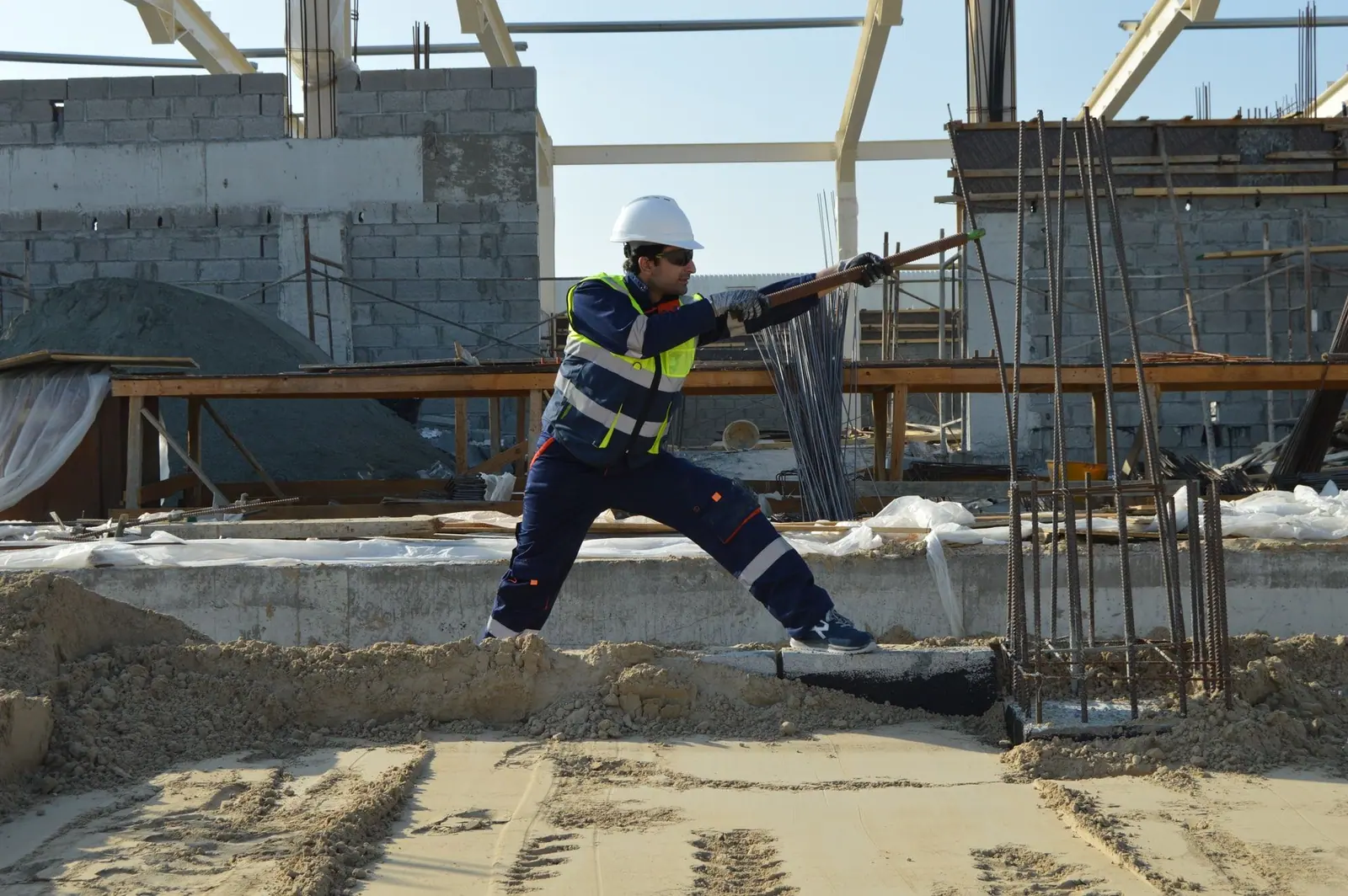
Personal protective equipment (PPE), such as helmets, gloves, safety glasses or high-visibility vests, is key to preventing injuries. Not using this equipment, or using it incorrectly, often leads to accidents that could easily have been prevented. A cluttered workspace, poor lighting, lack of space or chaotic work organisation also increase the risk of accidents. The workplace should be arranged so that employees can work safely and efficiently.
Regular training, thorough checks of work equipment and a suitably organised working environment are essential steps towards minimising risks and creating a safe working environment. Safety should be a priority for every company, because preventing injuries not only protects employees’ health, but also increases their productivity and satisfaction.
Typical situations that lead to injuries
Workplace injuries most often occur in the following situations:
- Falls from height or on the level – slippery surfaces, poorly secured workplaces or carelessness can lead to serious injuries.
- Being struck by or bumping into an object – falling tools or materials and inattention when moving around the workplace are common causes of accidents.
- Handling heavy loads – lifting, pushing or carrying heavy objects often causes muscle strains, spinal damage or other physical injuries.
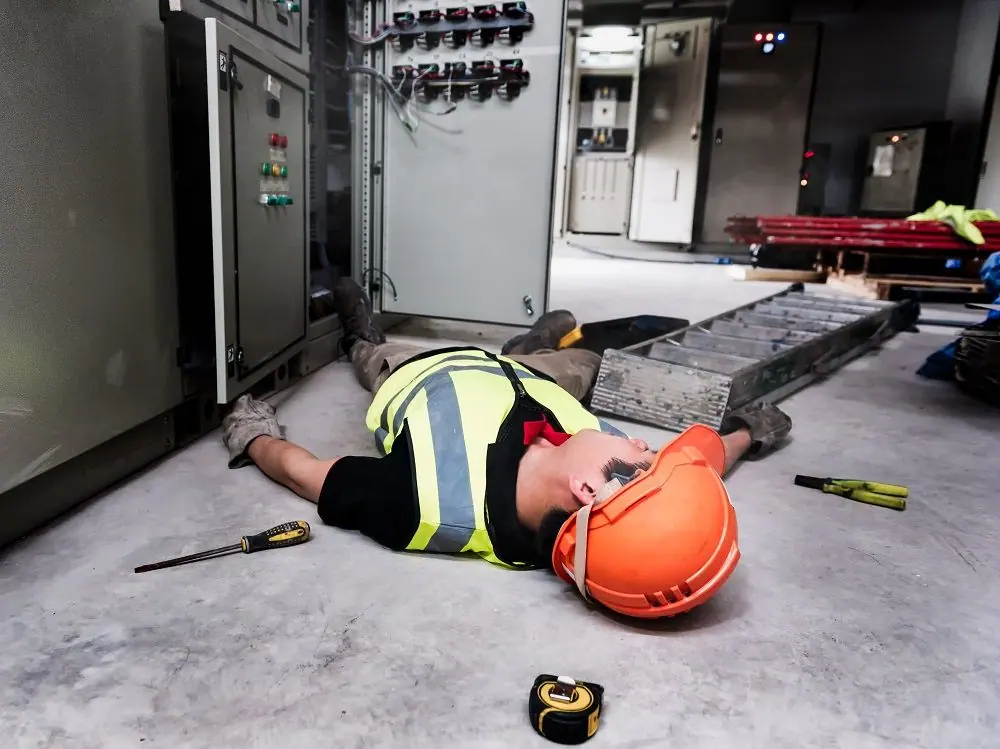
- Electric shock – injuries occur mainly when working with electrical equipment or because of faulty wiring.
- Cuts from sharp tools – working with sharp objects requires maximum care, especially in crafts and manufacturing.
- Being crushed or caught in a machine – insufficient training, poor maintenance or inattention when operating machinery can lead to serious injuries.
- Road accidents – common especially in the transport sector, but also when transporting materials or workers.
According to statistics, most injuries occur in manufacturing, which accounts for up to 43% of all workplace injuries. Other high-risk sectors include construction, agriculture and transport.
Prevention as the key to safety
Ensuring safety in the workplace is a process that requires constant attention and a responsible approach. Besides good technical equipment, it is important to assess risks regularly and take measures that minimise the possibility of injuries. These steps include systematic checks of work tools, consistent adherence to safety procedures and an environment that supports cooperation and open communication about risks.
Employers should emphasise the availability of suitable protective equipment and its correct use. It is equally essential to make sure workspaces are clear, well organised and meet safety requirements. Regular inspections of technical equipment and prompt repair of defects are further essential steps that can prevent accidents.
Employee education also plays a key role. OHS training helps build awareness of the importance of prevention. It is also important to involve employees in improving safety, for example through feedback or by jointly identifying problem areas.
Workplace safety is not just a matter of meeting obligations, but also an expression of respect for people and their health. Effective prevention not only reduces the number of injuries, but also increases efficiency and employee satisfaction. With a well-thought-out approach to safety, you can create an environment where people feel secure and can concentrate fully on their work.
If you need help with a risk analysis in your company, do not hesitate to contact us.