When we think of dangers to our health, we often picture visible threats such as open flames or falling objects. However, there are also dangers that are inconspicuous and often invisible, yet can have equally catastrophic consequences. These invisible killers include not only various gases, but also oxygen – too much of it can be just as deadly as too little.
Gas hazards
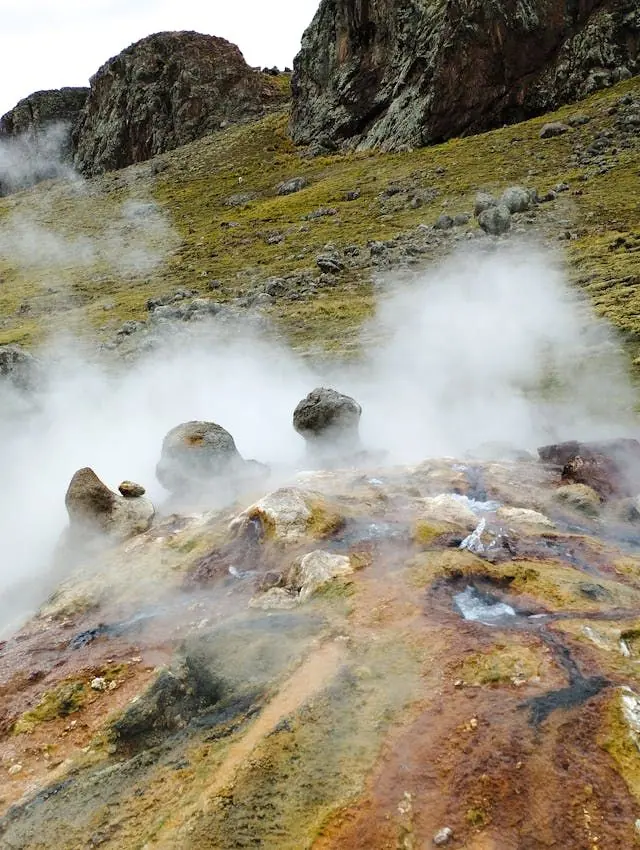
One of the main dangers is the various gases that can be present in our environment without us being aware of them. One of the most insidious is carbon monoxide – colourless, tasteless and odourless – a product of the incomplete combustion of fuels. Inhaling it can lead to poisoning, which can be fatal. Other dangerous gases include methane, butane and propane, which are flammable and can cause an explosion.
Toxic substances
Besides flammable gases, there are also substances that are toxic to the body. These include nitrogen oxides, which are produced by combustion and can lead to serious health problems, including damage to lung tissue and breathing difficulties. Other toxic gases include chlorine, ammonia and hydrogen sulphide, which can cause serious burns and tissue damage.
Oxygen toxicity
Oxygen, the basic element essential for life, is often seen as beneficial and safe. Despite its importance, however, excessive exposure to oxygen can have serious negative effects on our health. Prolonged breathing of highly concentrated oxygen, as is often found in some industrial settings or medical facilities, can damage lung tissue and cause other health problems. This condition, known as oxygen toxicity, can cause breathing difficulties, coughing and headaches, up to serious lung burns. In addition, excess oxygen can increase the risk of fire and exploding burners, which is an additional danger in certain environments. It is therefore essential to follow precise procedures and safety measures when handling oxygen and to minimise exposure to excessive amounts of it, in order to prevent potential health and safety risks.
Excess oxygen can arise in various situations and environments, both natural and artificial. One of the most common situations where people may be exposed to too much oxygen is in medical settings, where oxygen is used as part of treatment for patients with breathing problems. If oxygen therapy is not properly monitored and dosed, excess oxygen and oxygen toxicity can occur. Another environment where excess oxygen may occur is industrial sites, where processes such as oxidation or metal cutting are carried out. Oxygen concentrations there can be high and uncontrolled, which poses a risk to workers and increases the likelihood of fire. Excess oxygen can also be a problem in artificial atmospheres, such as submarines, spacecraft or hyperbaric chambers, where oxygen is supplied under high pressure. In these conditions it is important to monitor oxygen levels carefully to prevent excess and its potential negative effects on human health. Overall, excess oxygen can arise wherever oxygen is used or produced in high concentrations and is not sufficiently monitored and controlled.
Prevention and protection
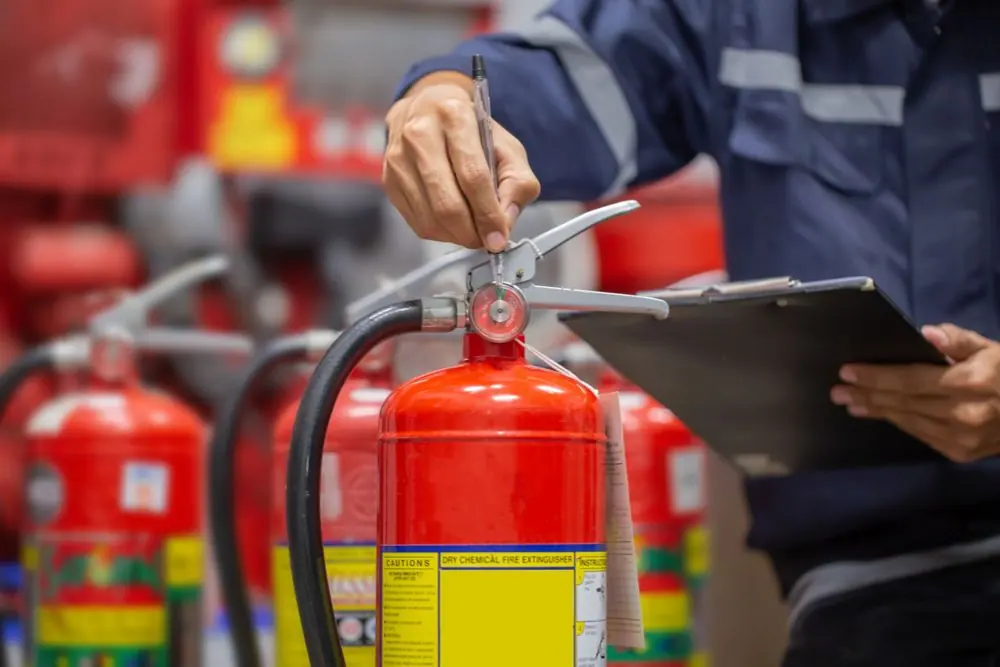
To protect ourselves from these invisible dangers, it is important to follow safety regulations and measures. This includes proper ventilation, regular maintenance and checks of gas appliances, and the use of protective equipment such as gas detectors and protective masks. When working with oxygen, it is important to follow precise procedures and keep exposure to the necessary minimum. Following safety measures and rules can prevent the serious consequences these invisible killers can bring.
Leave your health and safety worries to us. Get in touch.