Safety in schools is one of the highest priorities for parents, teachers and school administrators. A key aspect of this safety is being prepared for a possible fire. A fire evacuation drill is an essential tool that allows schools to make sure pupils and staff know how to evacuate quickly, effectively and, above all, safely in the event of a real fire. In this article we look at why fire evacuation drills matter in schools, how they should be carried out and what their main benefits are.
Why fire evacuation drills matter in schools
Fire evacuation drills are an essential tool for keeping pupils, teachers and all school staff safe. They not only help prepare the school for a potential emergency, but also provide important experience that can save lives in a real fire. Evacuation drills serve several key functions that are essential for handling emergencies effectively and safely.
One of the main reasons for holding fire evacuation drills is to prevent panic and chaos. In a crisis such as a fire, it is natural for people to feel stress and fear, which can lead to irrational behaviour. When pupils and school staff practise evacuations regularly, however, they have the opportunity to learn to act calmly and in an orderly way, even when the situation is very stressful. This experience can significantly reduce the risk of panic and chaos, which is key to a smooth and fast evacuation.
Another important function of evacuation drills is familiarising pupils and school staff with evacuation routes and emergency exits. In a fire or other emergency, it is essential that everyone knows how to reach the nearest safe exit. A drill allows all participants to get to know these routes and use them when needed. This ensures that everyone can be evacuated from the school quickly and safely. Without this knowledge, people could end up confused, causing delays and endangering their safety.
Evacuation drills also provide practical experience that is key to handling real emergencies effectively. Although theoretical preparation is necessary, only practical experience of evacuating allows pupils and staff to fully understand how to behave in a real situation. This training includes not only knowing the evacuation routes, but also the ability to stay calm, make quick decisions and communicate effectively at critical moments. When something similar happens for real, people are better prepared to respond correctly, which significantly increases their chances of survival and minimises the risk of injury.
Another significant benefit of fire evacuation drills is that they allow schools to identify potential problems in the evacuation plan. During the drill, it is possible to spot weak points in the process, such as unnecessary delays, poorly marked exits or unsuitable evacuation routes. This allows schools to review and improve their plans so that they are as effective as possible when really needed.
Last but not least, evacuation drills are an important tool for meeting legal requirements for school safety. Many countries have laws requiring regular evacuation drills so that schools keep their pupils and staff safe. A fire evacuation drill is therefore not only a matter of prevention and safety, but also of meeting the obligations a school has towards its pupils, teachers and other staff.
How an evacuation drill should be carried out
- Planning and preparation: the school should have a clearly defined evacuation plan specifying evacuation routes, assembly points and responsible persons. The plan should be regularly updated and adapted to changes in the layout of the building.
- Realistic scenarios: for an evacuation drill to be as effective as possible, it should imitate a real situation as closely as possible. This may include simulating smoke (with safe smoke machines), placing “obstacles” on evacuation routes or simulating blocked exits. The aim is for pupils and staff to get used to different possible scenarios and learn how to respond to them.
- Informing pupils and staff: before the drill, everyone should be told that it will take place and why it matters. Pupils should be instructed on how to behave and what to do during the evacuation.
- Carrying out the drill: the evacuation should be realistic to give as true a picture as possible of a real emergency. It is important that pupils and staff do not bunch up and move in an orderly way along the designated routes.
- Evaluation and feedback: after the drill, how it went should be evaluated. It is important to identify any shortcomings and propose measures to remove them. Feedback should be given to both pupils and staff. The evaluation includes analysing the evacuation time, identifying potential problems on the evacuation routes and finding out how well the evacuation procedures were followed.
The main benefits of fire evacuation drills
- Better preparedness and response time: regular evacuation drills improve pupils’ and staff’s preparedness for emergencies and shorten their response time in a real fire.
- Greater safety awareness: evacuation drills raise awareness of fire protection and the importance of following safety measures.
- Lower risk of injury: a well-conducted evacuation minimises the risk of injury and contributes to the safety of everyone involved.
- Psychological preparation: repeated drills help pupils and staff cope better with stress and pressure in emergencies, which can be decisive for a successful evacuation.
- Checking that fire safety equipment works: a fire drill should also include checking the functioning of fire equipment such as sirens, fire alarm systems, fire extinguishers, smoke and heat extraction equipment and so on.
How often to hold a fire drill in a school
In the Czech Republic, organisations classified in the “high fire hazard” category must hold a fire drill at least once a year. If an organisation is classified in the “increased fire hazard” category, it only has to hold a fire drill if the premises are difficult for firefighting, as set out in Section 4 of Act No. 133/1985 Coll.
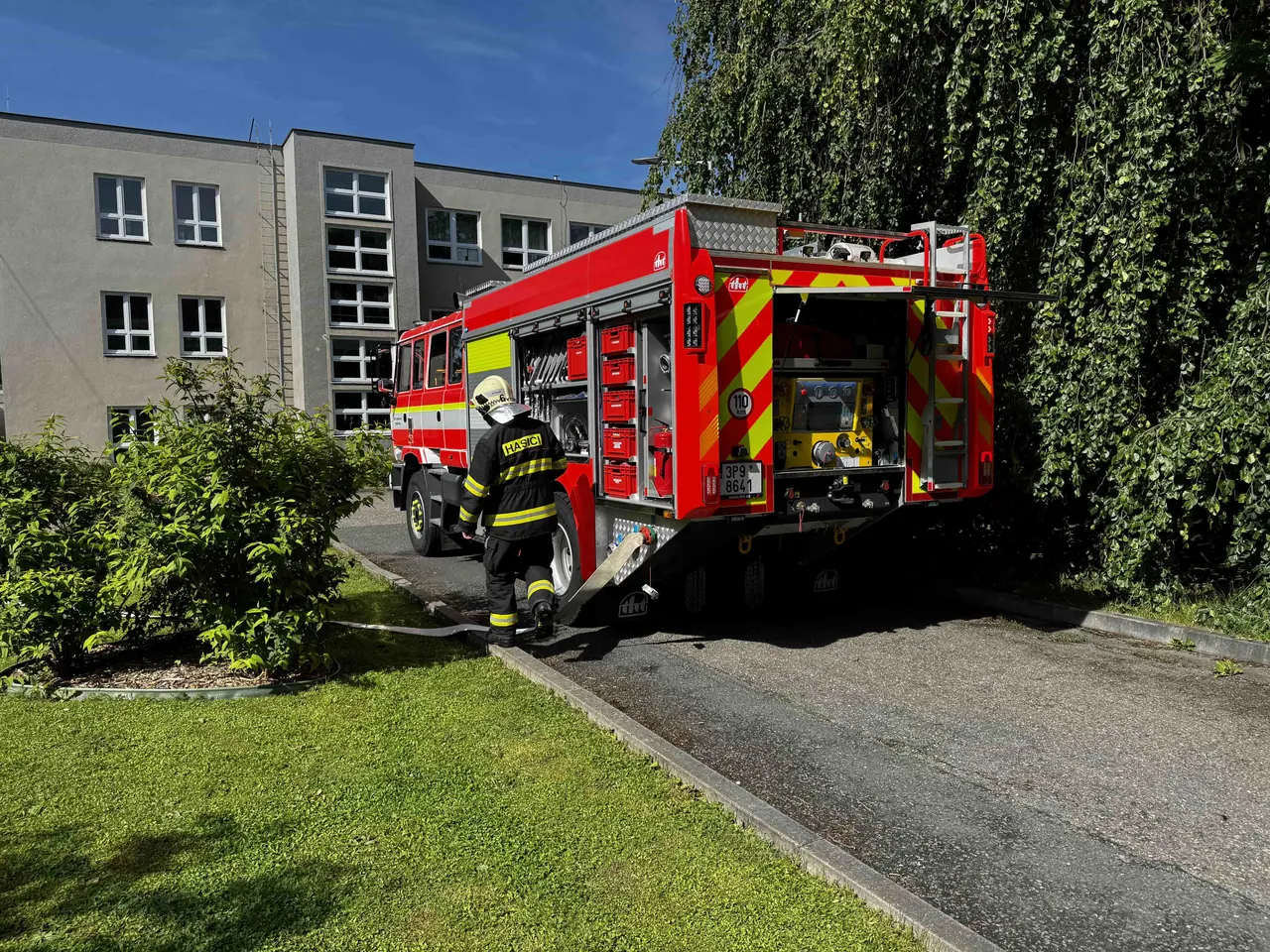
Given the level of risk, it is generally recommended that schools hold a fire drill at least once per school year. It is also important that the planning and holding of the drill is notified in advance to the Fire and Rescue Service operations centre in the relevant region.
A fire evacuation drill is an essential tool for keeping schools safe. It helps prevent panic, ensures people know the evacuation routes and provides practical experience that is key to handling a real emergency effectively. Regular evacuation drills improve preparedness and response time, raise awareness of fire safety and reduce the risk of injury. For maximum safety, it is important that schools hold evacuation drills regularly and evaluate how they went, so that pupils and staff are ready to act quickly and effectively in the event of a real fire.
Safety signs and orientation
Well-designed and well-placed safety signs in schools not only help during evacuations, but also help prevent accidents and make it easier to find your way in an emergency. When a fire or other dangerous situation occurs, everyone in the building must know how to get out safely. Safety signs mark clear, visible routes, emergency exits and assembly points, which is essential for a fast and effective evacuation.
There are several types of safety signs that should be clearly visible in every school. The basic categories include:
Evacuation routes and emergency exits
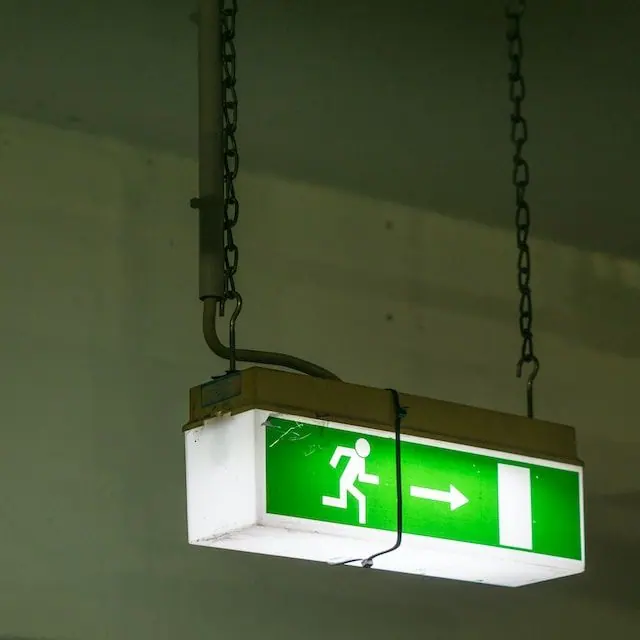
These signs are the most important in an evacuation. Evacuation routes must be marked with clear arrows showing the way to the nearest exit. Emergency exits should be marked with green signs that are visible even in low light, for example using luminous materials or reflective film. The signs must comply with the standards and be easy to identify.
Prohibition and warning signs
Prohibition signs mark areas where access is forbidden, such as plant rooms or areas with hazardous materials. Warning signs, for example about slippery floors or high temperatures, help prevent injuries and accidents.
First aid signs
Every school should have a sign showing where first aid or an automated external defibrillator (AED) is located. These signs should be prominent enough to be found easily in a crisis.
Fire equipment such as fire extinguishers, fire hydrants or sprinkler systems should be marked with the appropriate signs so that they can be located quickly in a fire.
We organise fire evacuation drills in schools.