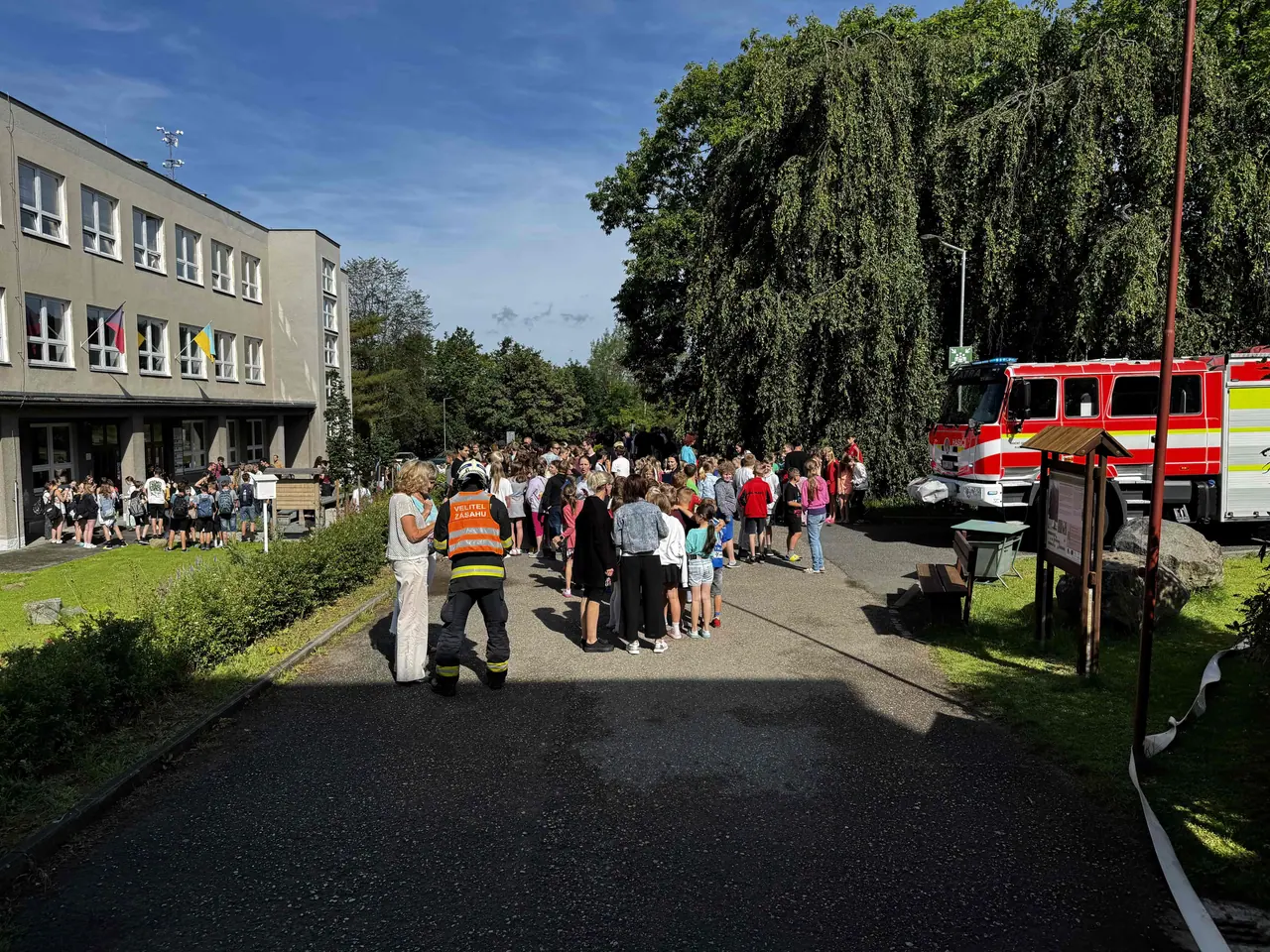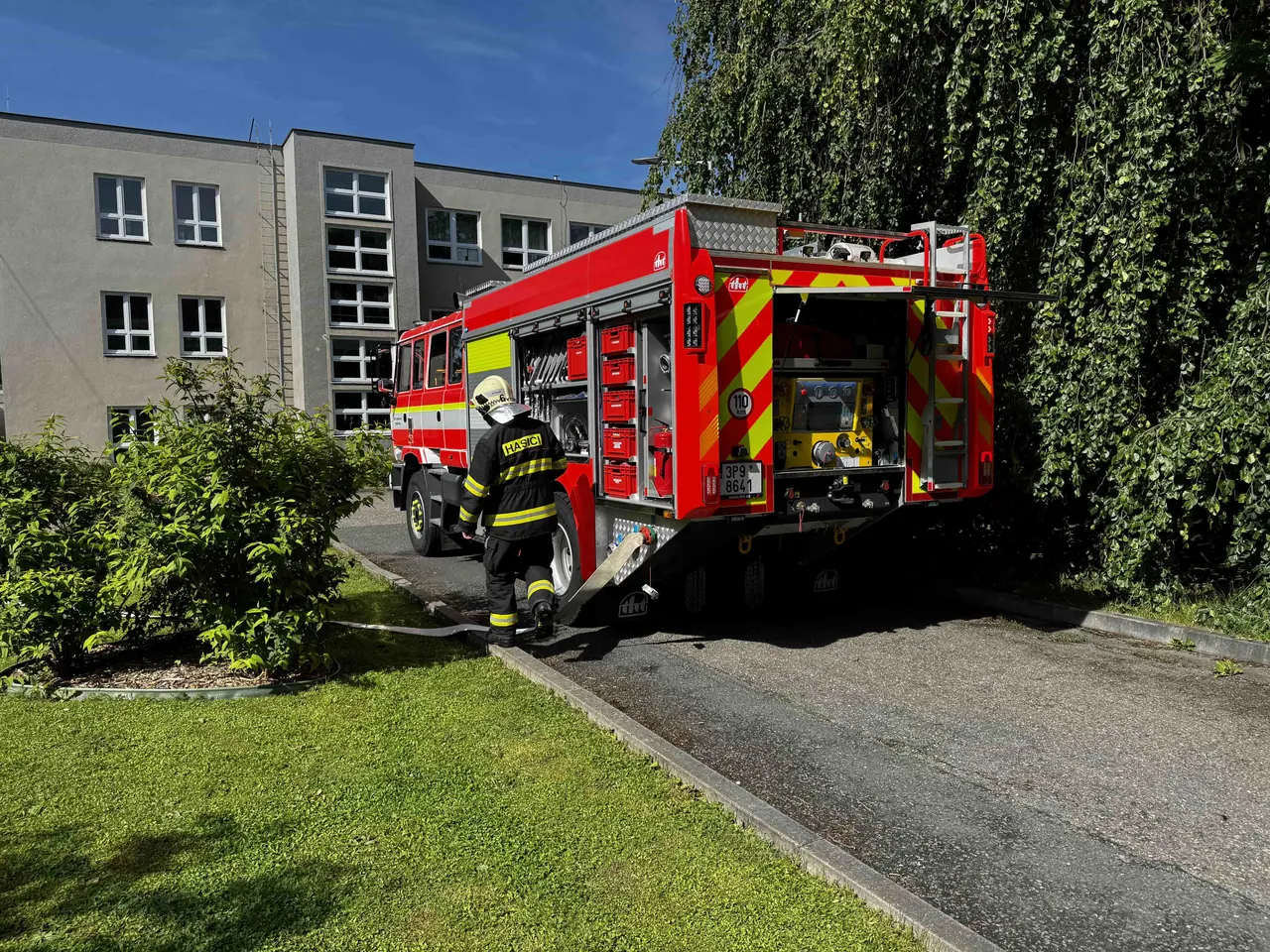

Safety measures, including evacuation plans and rescue operations, are key to minimising risk and protecting lives and property in emergencies such as fires, earthquakes or other accidents. Well-prepared and regularly reviewed evacuation plans not only protect your employees, customers and visitors, but also help your business recover after a crisis. Here we look at why planning evacuations and rescue operations properly matters and how you can make your team better prepared.
The evacuation plan and its purpose
Every organisation needs an evacuation plan that all employees and visitors know. Clearly defined evacuation procedures help minimise confusion and risk in a crisis. The evacuation plan should include:
- Clearly marked evacuation routes
- Making sure all evacuation routes are clearly marked and easily accessible is the basic step towards a safe evacuation
- Designated assembly points
- Every evacuation plan should include information on assembly points where employees and visitors can safely gather after evacuating
- Roles and responsibilities
- Making sure every employee knows their role and responsibilities in an evacuation is essential for a fast and effective response to an emergency
Preparing the team for evacuation
Regular training and drills
Regular employee training and evacuation drills are the basic elements for improving preparedness. During these drills it is important to simulate different scenarios and test the team’s ability to respond quickly and effectively to different emergencies.
Updating plans
Evacuation plans should be regularly updated in line with current safety standards and tested for effectiveness. Changes in the environment, technology or staff may require the plans to be updated.
Communication and information
Making sure all employees are informed about evacuation plans and have easy access to information on safety measures is key to improving their preparedness.
Management responsibility
Company management should lead by example and actively support a safety culture. This includes supporting regular training, monitoring compliance with safety procedures and responding to any shortcomings found.
Well-prepared and regularly reviewed evacuation plans are the cornerstone of protecting lives and property in emergencies. Improving team preparedness through regular training, updated plans and a strong safety culture can significantly reduce the risks associated with emergencies and improve the team’s ability to respond quickly and effectively.
Leave your evacuation worries behind. Get in touch.