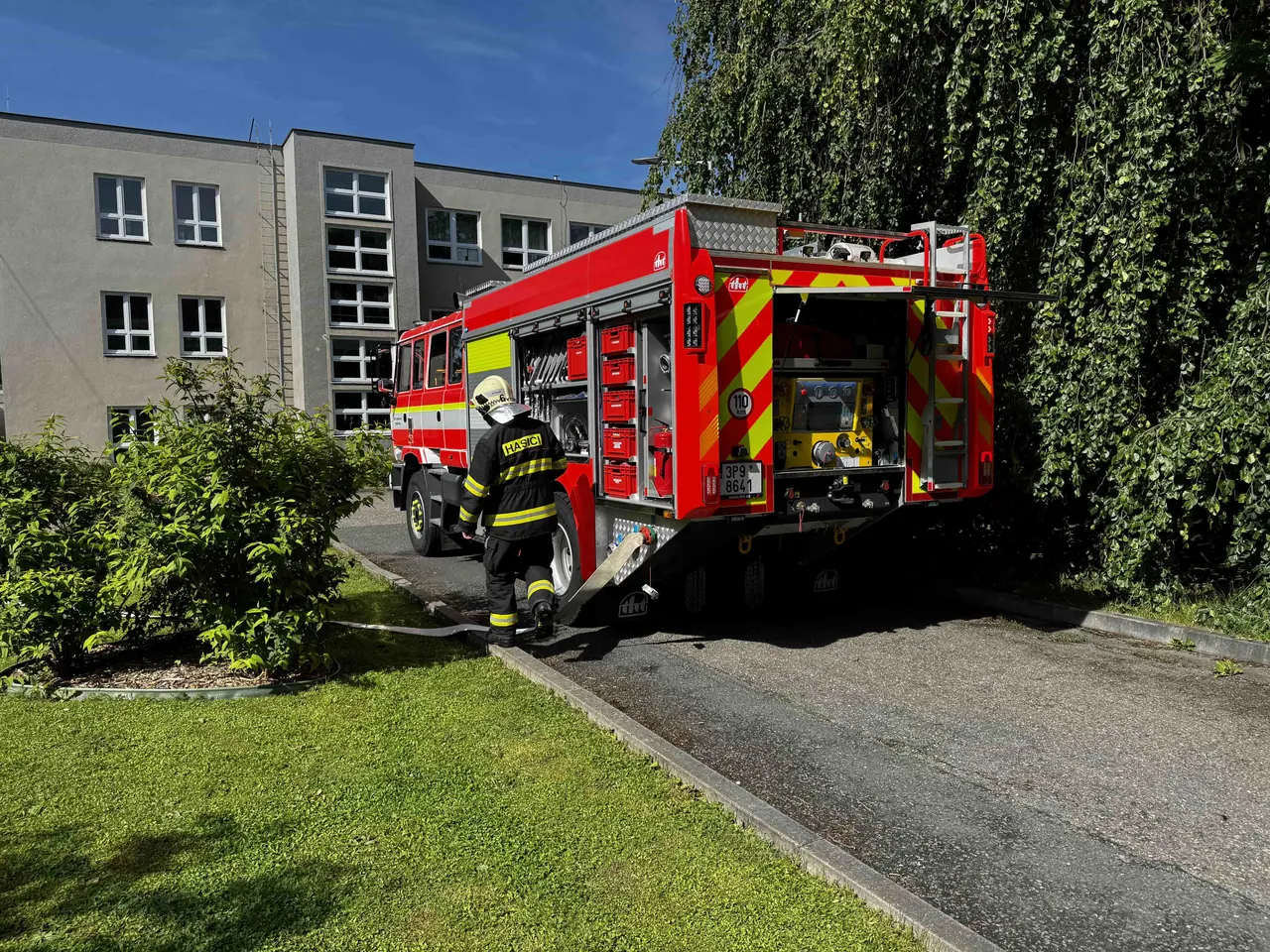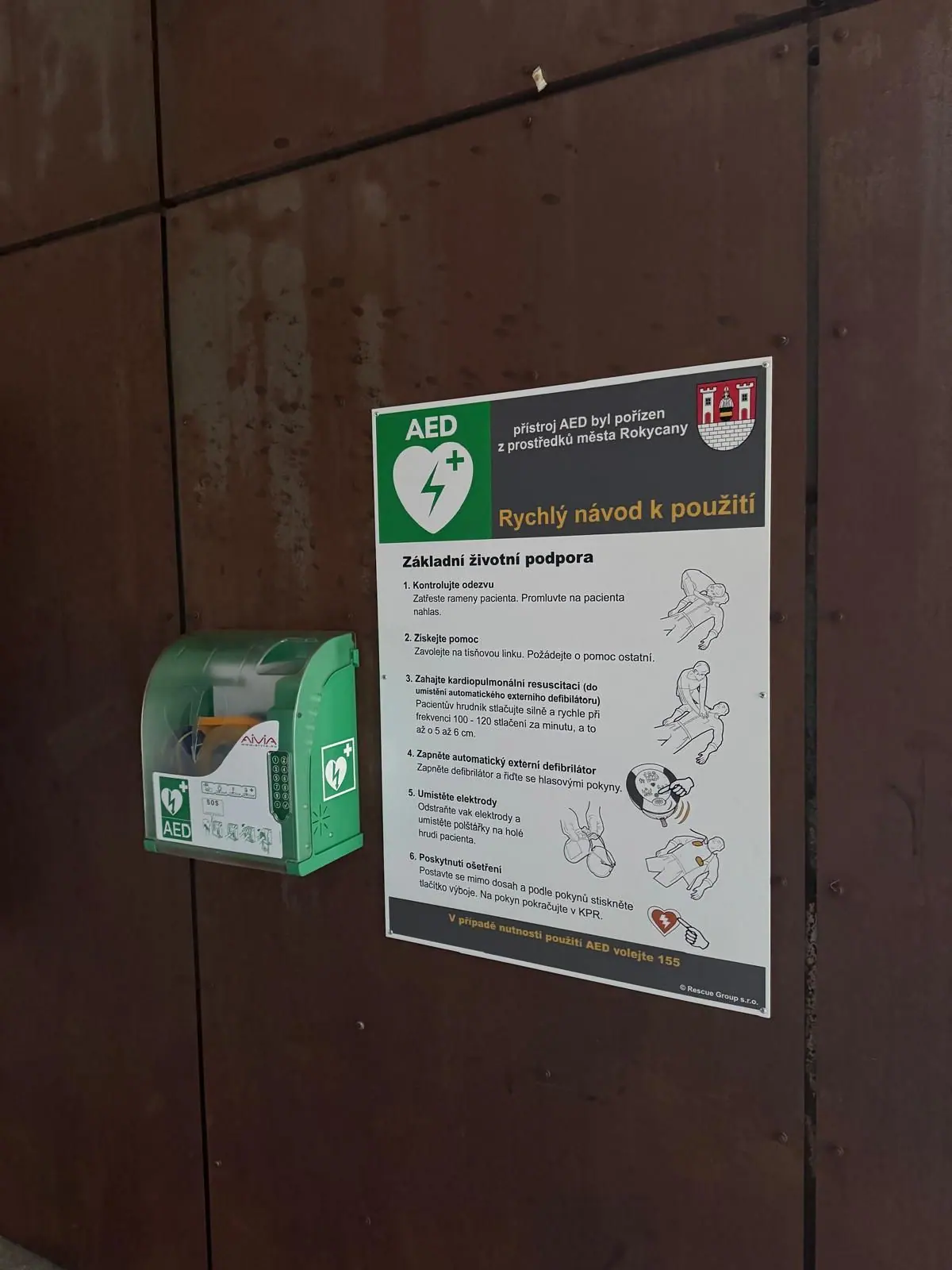
Winter is a time when the risk of fire increases. Cold weather and greater use of heating and electrical appliances can endanger the safety of your home or business. To minimise the risk of fire, proper maintenance and checks are important. Regular checks of smoke and carbon monoxide detectors are key to household safety, especially in the winter months, when the risk of fires and toxic gas leaks rises. Properly working detectors can warn of danger in time and save lives. Here are some useful tips for staying fire safe in the winter months.
Regular checks of smoke and CO detectors
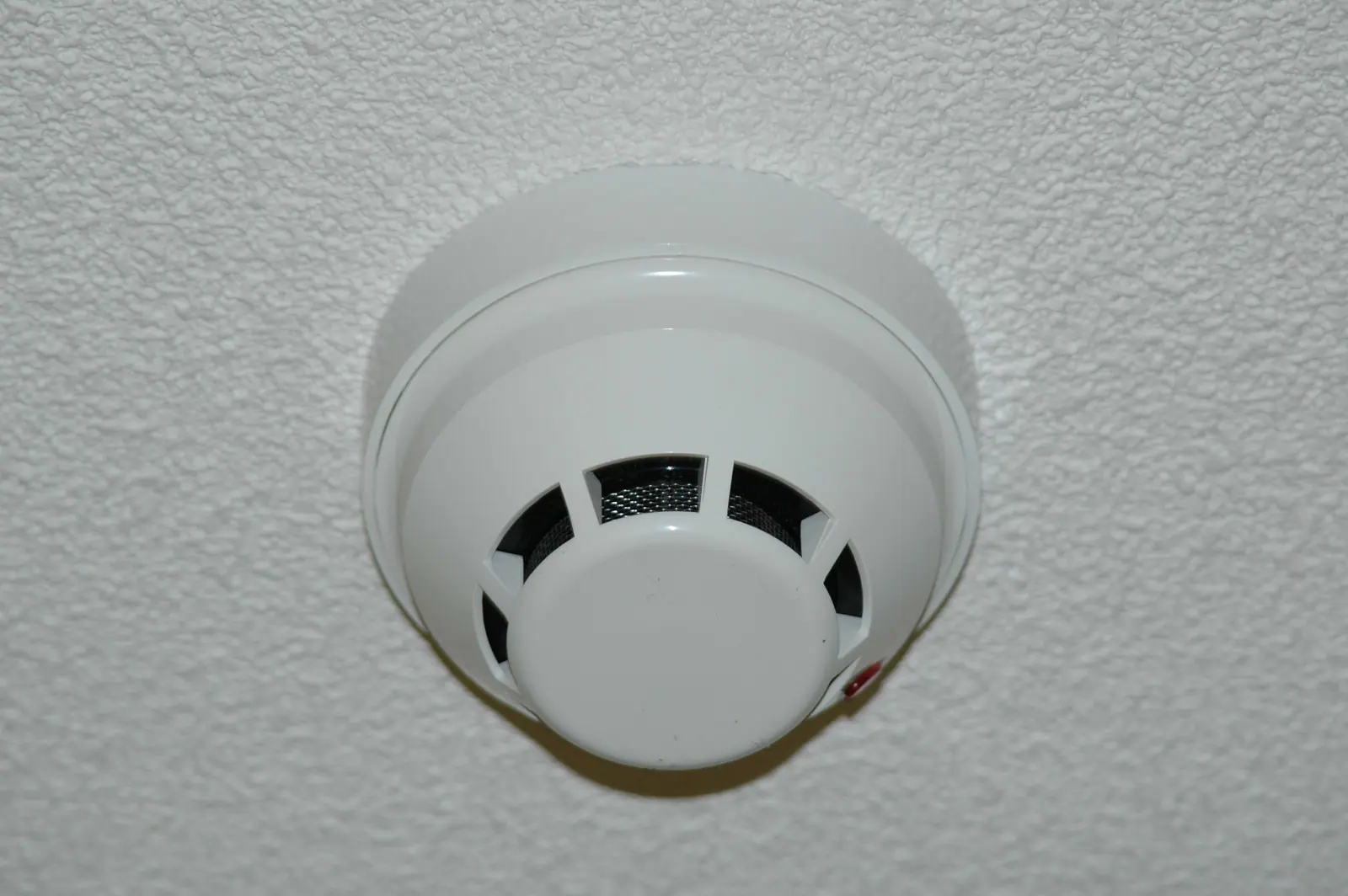
The winter months bring not only cold weather, but also a higher risk of fires and carbon monoxide (CO) leaks. More frequent use of heaters, fireplaces, stoves and space heaters creates ideal conditions for fires or a dangerous build-up of toxic gases. It is therefore essential to make sure smoke and carbon monoxide detectors are fully functional. Checking these devices regularly is a simple but crucial step that can save lives.
In winter, when homes are heated a lot, it is essential that smoke detectors are in good condition and have working batteries. Test and clean the detectors regularly and replace them if necessary. Using heating in the winter months can increase the risk of a carbon monoxide leak. Check your CO detectors regularly and make sure they are working properly.
Why smoke and CO detectors matter
Smoke detectors are designed to give early warning of smoke, which is often the first sign of a fire. A fast response can stop the fire spreading and protect lives and property. Carbon monoxide detectors protect against a silent but deadly danger, as CO is colourless and odourless. CO is produced by incomplete combustion of fossil fuels, which is common when heaters, gas boilers or fireplaces are in use.
Without these detectors, the threat can go unnoticed until it is too late. The symptoms of CO poisoning, such as headache, dizziness or tiredness, can easily be mistaken for ordinary illness. Working detectors are therefore essential for keeping a household safe.
How often to check detectors
To keep your household safe, smoke and carbon monoxide detectors must be tested and maintained regularly. Test the detectors once a month by pressing the test button. If the device does not sound, replace the batteries or consider replacing the whole detector.
Batteries should be replaced at least once a year, ideally at the start of the heating season. Some modern models have longer-life lithium batteries, but these should also be checked regularly to make sure they work properly. Checking where the detectors are located is also important. Smoke detectors should be installed on the ceilings of every living room and hallway, while carbon monoxide detectors should be placed near combustion appliances and in bedrooms. Do not forget the service life of the detectors – most have a limited life, usually 7 to 10 years. Older devices should be replaced with new ones to ensure they remain reliable and protect you effectively.
Winter months and higher risk
In winter, solid fuel appliances, gas boilers and portable heaters are used more often. Poorly maintained or damaged appliances can cause a fire or a CO leak. Regularly checking not only the detectors, but also the appliances themselves (e.g. chimneys and ventilation) is essential.
Statistics show that the most household fires happen in winter, especially around Christmas and New Year, when candles and light decorations are used. High energy use can also overload the electrical installation. Smoke detectors therefore play a key role in preventing tragedies.
How to improve safety
Regular maintenance of heating appliances is essential for household safety. Boilers, fireplaces and chimneys should be cleaned and checked regularly by professionals to prevent the risk of fire or leaks of dangerous gases. It is also important to teach all members of the household how to respond correctly when a detector goes off. Everyone should know how to evacuate quickly and which people or services to contact.
Having an escape plan that is prepared and practised regularly is another key step towards safety. The plan should clearly set out escape routes and meeting points in an emergency. In areas with frequent power cuts, detectors with battery back-up are recommended so that they work even when the electricity is off. This improves the protection of the household in unforeseen situations too.
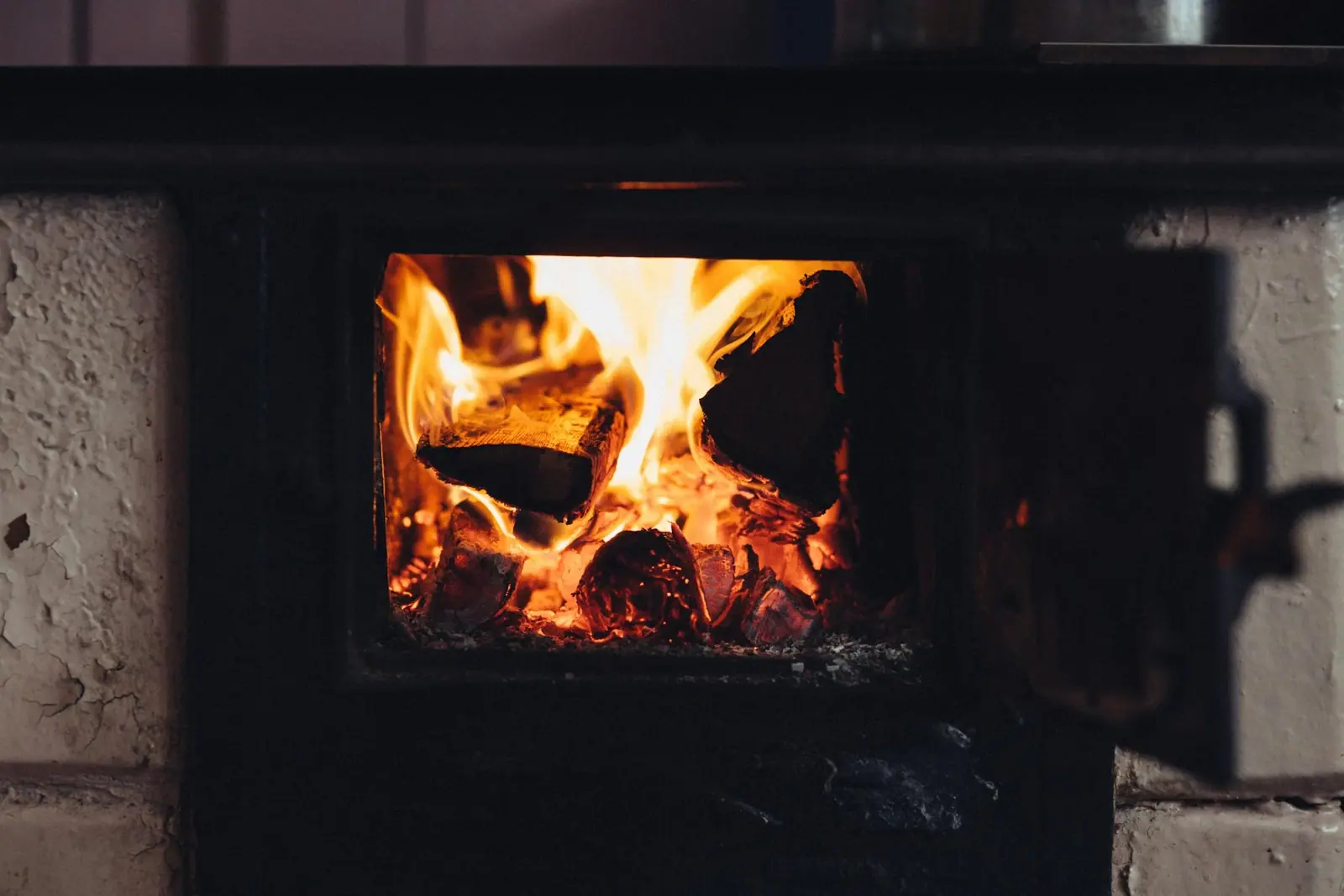
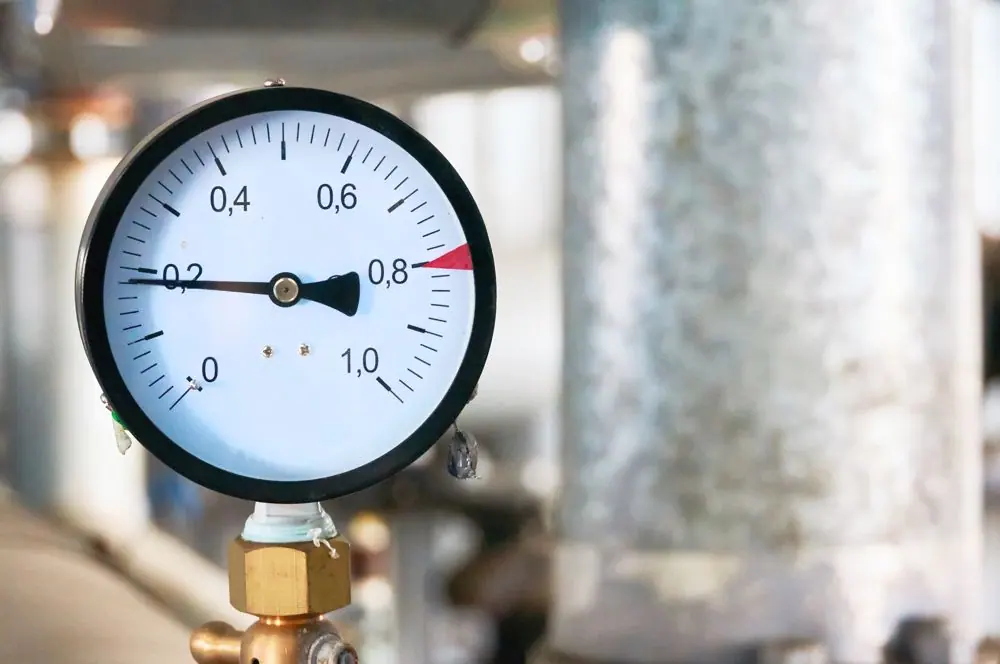
Tip: At Rescue Group we carry out a wide range of inspections, from boilers and electrical equipment to chimneys and flues. If you are not sure about something, we will be happy to advise you – just get in touch.
Chimney cleaning
The winter months bring greater use of fireplaces, stoves, boilers and other heating appliances. To heat our homes calmly and safely, we must not neglect chimney maintenance. Regular chimney cleaning plays a key role in preventing fires and carbon monoxide leaks and in keeping heating appliances working efficiently. Chimney sweeps recommend regular chimney inspections and the removal of soot and other deposits that could increase the risk of fire. Make sure your chimneys are clean and in good condition. Under Czech law, the property owner is required to arrange regular checks and cleaning of chimneys, which includes a check of the flues by a professional once a year; chimney cleaning at least three times a year when burning solid fuels and once a year when using gas; and an inspection when a new chimney is put into service, after renovation or when a defect is suspected.
Why chimney cleaning matters
The chimney is a key part of a solid fuel heating system, but it needs regular maintenance to work safely and efficiently. Over time, soot, tar and other flammable deposits build up in the chimney, which can cause serious problems. One of the biggest risks is a chimney fire. If enough deposits build up in the chimney, they can ignite, endangering not only the chimney itself, but the whole building.
Another problem is reduced heating efficiency. A blocked or narrowed chimney restricts the draught, leading to poorer combustion of the fuel. The result is higher fuel consumption and lower heat output, which increases heating costs unnecessarily. The most serious risk, however, is carbon monoxide poisoning. A blocked chimney can prevent flue gases from escaping properly, so that they flow back into living spaces. Carbon monoxide is colourless, odourless and extremely dangerous, which is why regular checks and cleaning of the chimney are absolutely essential.
Checking electrical equipment
One of the main problems in winter is overloading the electrical installation, which happens because electric heaters, portable space heaters and other high-power appliances are plugged in more often. Overloading can cause wires to overheat, short circuits or even a fire. That is why it is important not only to think carefully about how many appliances you plug in at once, but also to check the condition of sockets, extension cables and adaptors. Faults such as mechanically damaged cables, worn plugs or equipment that gets excessively hot can be the first warning signs.
It is just as important to check regularly that electric heaters are working properly. These appliances often run at full power, and if they are not properly maintained they can overheat or even catch fire. Always check whether the heater is making unusual noises or giving off a burning smell, and whether its surface is getting hotter than usual. Never leave heaters unattended, and make sure there are no flammable items near them, such as curtains, clothing or furniture.
How often to check electrical equipment
Carry out a visual check of appliances, cables and sockets regularly, ideally every month. A more detailed check of heaters and decorations is best done at the start of the winter season. An inspection of the electrical installation in a household by a professional should be carried out at least once every five years, and more often in older buildings.
Safe heating
With the arrival of winter, the need for efficient and safe home heating grows. Whether you use fireplaces, stoves, gas boilers or electric heaters, it is important to focus on using them correctly, maintaining them regularly and following basic safety rules. Neglecting these principles can lead to serious accidents, including fires or carbon monoxide poisoning.
Make sure flammable materials are kept far enough away from heating appliances such as stoves and radiators to minimise the risk of fire. When using portable heaters, make sure they are placed on a flat, stable surface and are always switched off when not in use.
Basic rules for safe heating
All heaters, whether electric, gas or solid fuel stoves, should stand on a stable, non-combustible surface. It is also important to keep them a sufficient distance from curtains, furniture and other flammable materials to prevent the risk of fire. Another essential measure is supervising heaters. Never leave heaters switched on unattended, especially if there are children or pets nearby who could get dangerously close.
Ventilating rooms is also essential, especially when combustion appliances are in use. Make sure there is a sufficient supply of fresh air so that carbon monoxide or other harmful gases do not build up and endanger the health of the occupants.
Maintaining and cleaning fireplaces and stoves
Running solid fuel fireplaces and stoves requires careful attention. Soot and tar contamination of the chimney can significantly increase the risk of fire. The chimney should be cleaned at least once a year by a professional chimney sweep, who will also check its technical condition.
Wood used for heating must be dry and well seasoned. Burning wet wood produces excessive smoke and contaminates the chimney. It is also important to remove ash from fireplaces and stoves regularly – store the ash in non-combustible metal containers kept away from living areas.
Using electric and gas heaters
Electric and gas heaters are practical, but need careful handling. Check electrical equipment for signs of damage, such as worn cables or faulty plugs. If a heater behaves unusually, for example giving off a burning smell or overheating, unplug it immediately and have it repaired by a professional.
Gas heaters must be serviced regularly to prevent gas leaks or incomplete combustion. For greater safety, it is advisable to install carbon monoxide detectors in rooms where gas appliances are used.
Evacuation plan and fire extinguishers
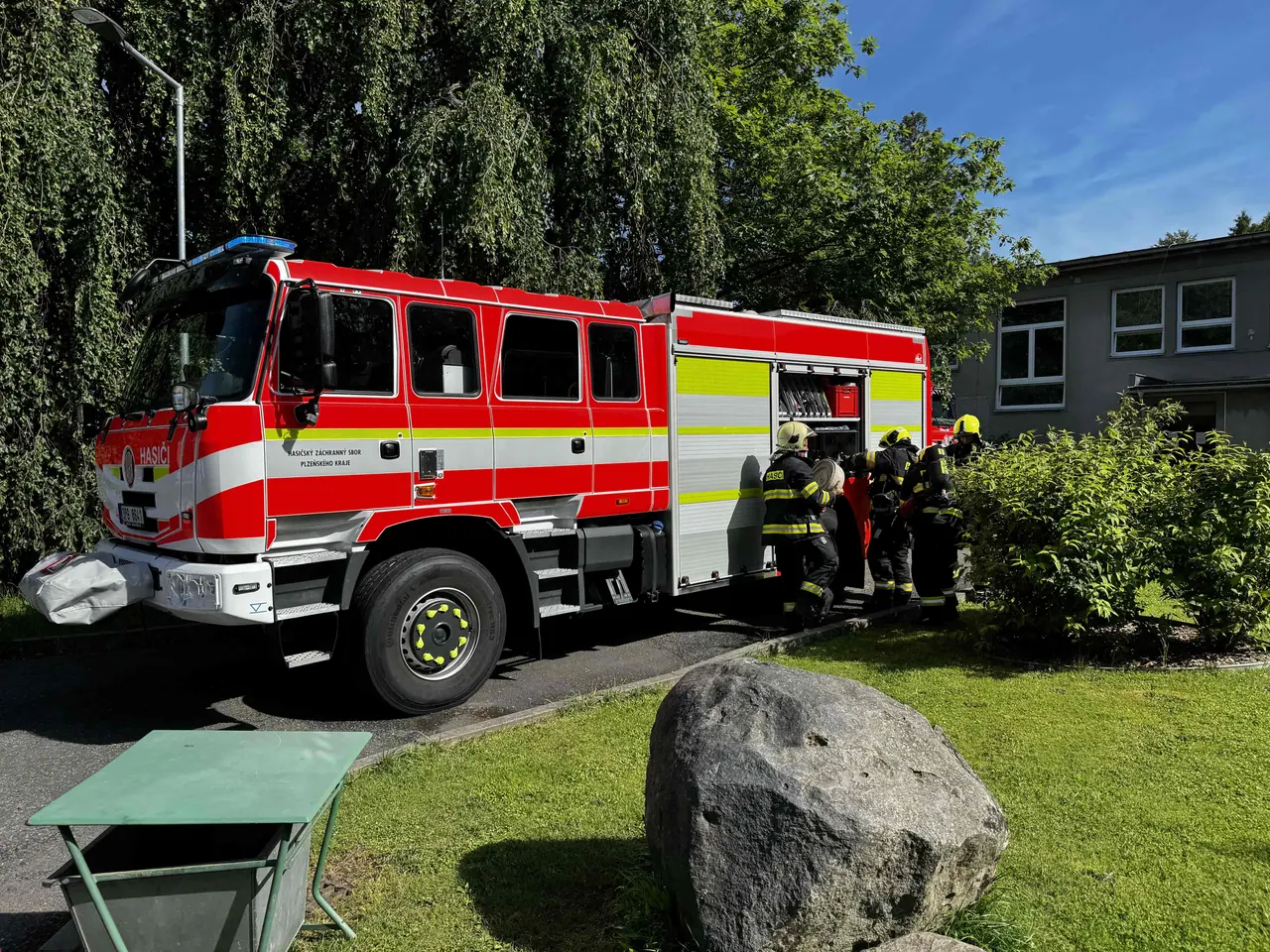
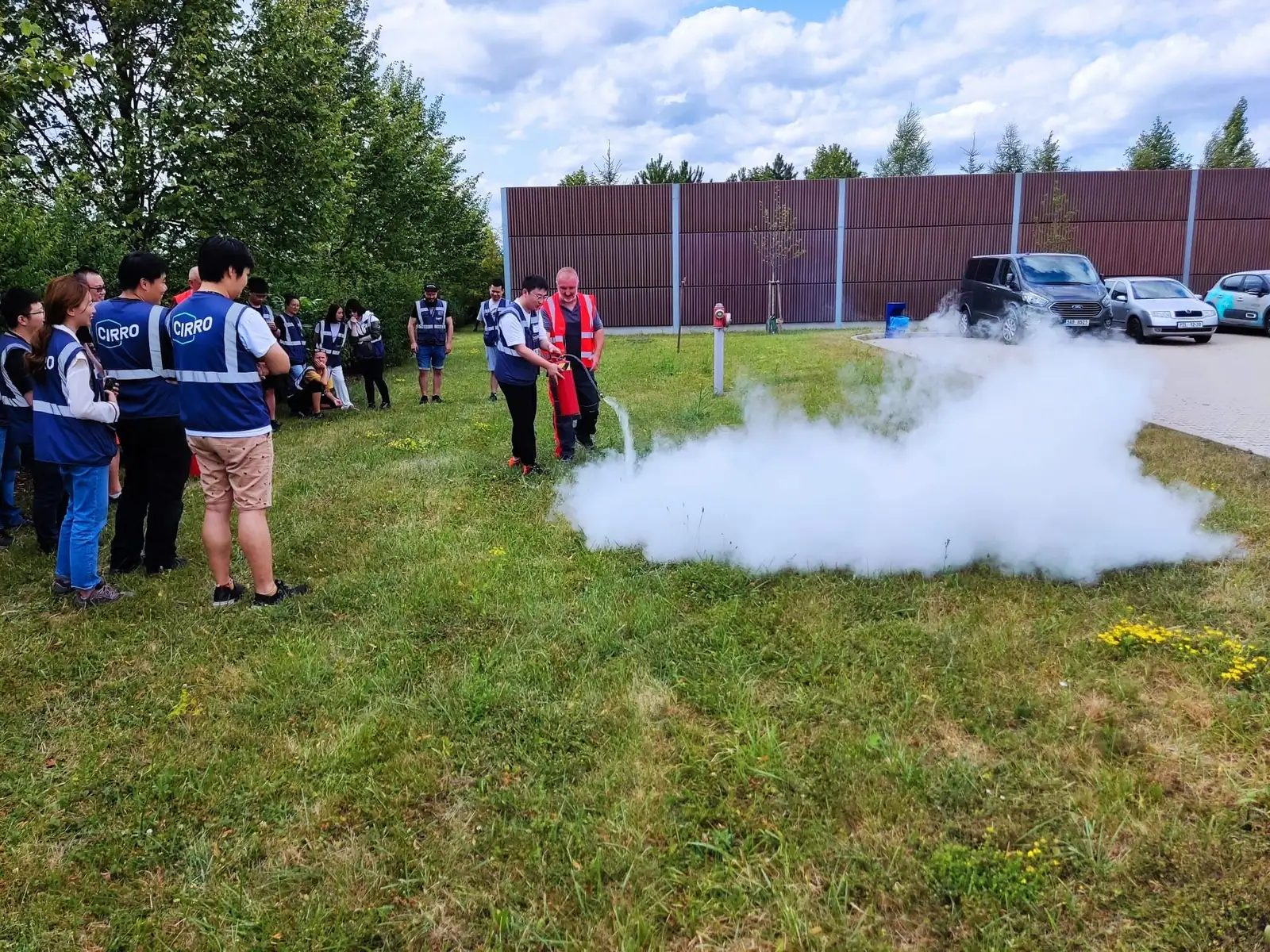
Have an evacuation plan ready for all members of the family or all employees. Hold evacuation drills regularly to make sure everyone knows what to do in a fire. Check and maintain fire extinguishers in good condition and place them in clearly visible, easily accessible locations. Fire safety at home is not only about prevention, but also about preparing for the unexpected. An effective evacuation plan and correct use of fire extinguishers can save lives in a fire.
Why an evacuation plan matters
Fire can spread quickly, leaving little time to react. A clearly defined evacuation plan that every member of the household knows increases the chance of getting out of the building safely. The evacuation should be practised at least once a year so that everyone is ready for an emergency. The plan should include:
A safe way out for every member of the household. First, set at least two possible escape routes from every room. It is important to check regularly that these routes are not blocked or otherwise inaccessible, so that they are easy to use when needed.
Next, agree on a specific meeting point outside the house where everyone will gather after the evacuation. This step ensures you know whether all members of the household are safe. Dividing responsibilities is also very important. Decide who will check on children, elderly people or pets, so that nobody is left without help. And above all, never go back into a burning building! Even a few seconds can make the difference between life and death.
Placement and types of fire extinguisher
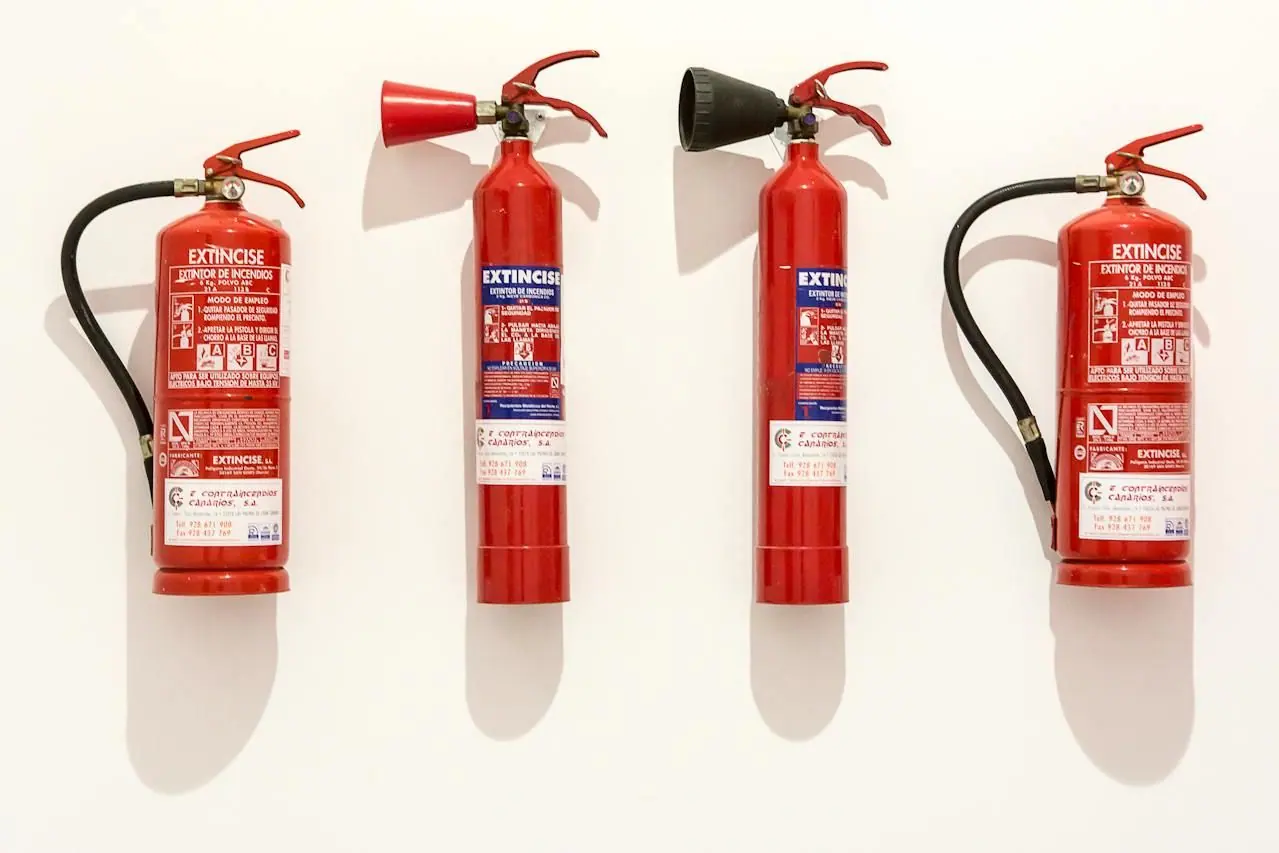
A properly chosen and placed fire extinguisher is the foundation of home protection. However, not every fire can be fought the same way, so it is important to understand the different types of fire extinguisher:
- Foam extinguishers – suitable for fires involving solids (wood, paper) and liquids (petrol, oil).
- Powder extinguishers – versatile extinguishers suitable for most types of fire, including electrical equipment.
- CO₂ extinguishers – best for electrical fires, as they do not damage equipment and leave no residue.
- Water extinguishers – use on fires involving solid materials, never on electrical equipment or oil fires.

Place extinguishers and smoke detectors where they are easy to reach:
Smoke detectors should be placed in several key locations in the home to ensure maximum safety. In the kitchen, where fires caused by cooking often start, a detector is needed to give early warning of danger. Detectors should also be placed near bedrooms, so that they can easily be heard at night and allow a fast response in a fire. It is also important to have detectors near entrances and exits, where they are accessible during an evacuation, giving enough time to leave the house safely.
Using a fire extinguisher correctly – every member of the household should know how to use a fire extinguisher. The basis is the PASS method:
- Pull – pull the safety pin.
- Aim – aim the hose at the base of the fire.
- Squeeze – squeeze the trigger.
- Sweep – move the stream of extinguishing agent from side to side.
First make sure you have a safe way out if the fire spreads. Remember that a fire extinguisher is intended for small fires. If the situation gets out of control, leave the area immediately and call the fire brigade.
Information and awareness
Tell your family, employees or neighbours about the safety measures in the event of a fire and how to use fire extinguishers and smoke detectors correctly. Keep a list of emergency contacts to hand, including the numbers of the local fire brigade and the ambulance service.
In workplaces, safety awareness should be part of the company culture. Every employee should be informed about safety protocols, evacuation rules and the location of fire extinguishers and escape routes. Regular fire safety training, exercises and crisis simulations can help with this. Where employees work with hazardous materials or equipment, specialised training focused on using these safely and preventing risks must be provided. Regular education, training and awareness-raising can help prevent many accidents and protect lives. Every community should make an effort to spread this knowledge and strengthen safety habits. The more people know the right procedures and how to prevent accidents, the safer our environment will be for everyone.
Winter can be a time of joy and comfort, but it can also bring a higher risk of fire. Following these tips for proper maintenance and checks can make a significant contribution to keeping your home or business fire safe. Remember that prevention is always the best solution and that safety should be a priority in every season.
If you need advice on fire safety training, do not hesitate to contact us.