A chimney inspection is a key part of maintaining any building that uses heating appliances such as fireplaces, boilers or stoves. A properly functioning chimney ensures that flue gases are safely removed, minimises the risk of fire and protects the health of the building’s occupants. At Rescue Group, experts in safety and fire protection, we provide professional chimney inspections that meet all legal requirements and give you peace of mind.
Why chimney inspections are essential
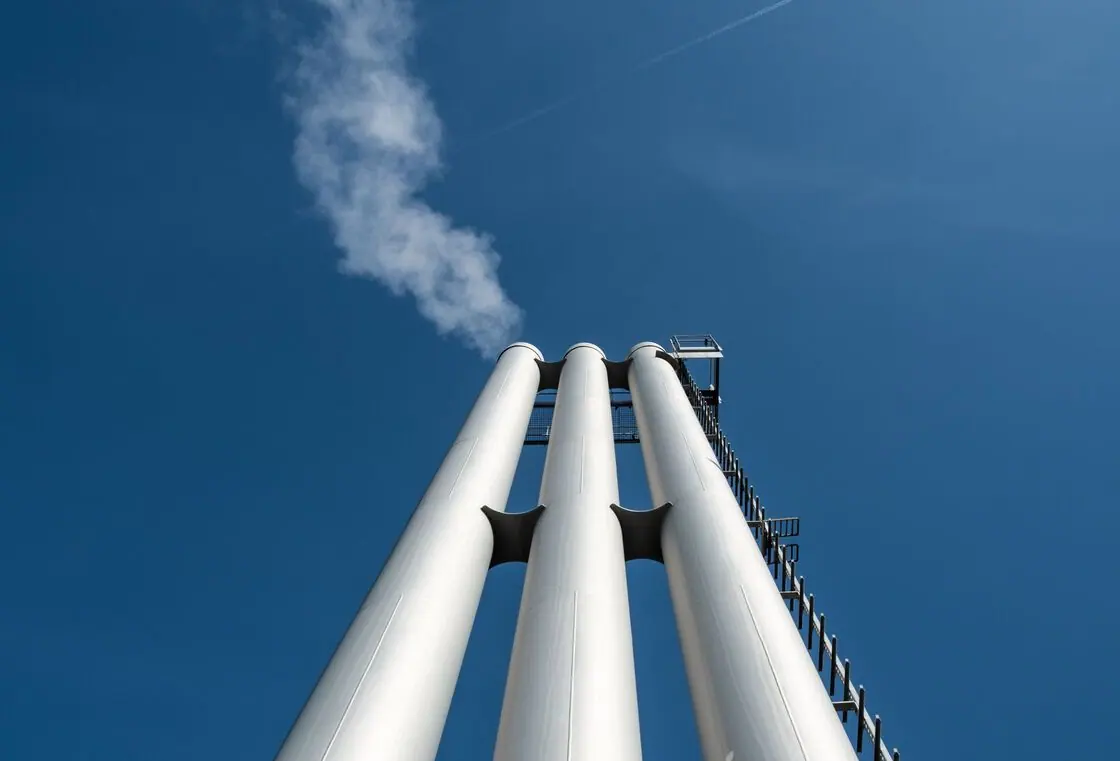
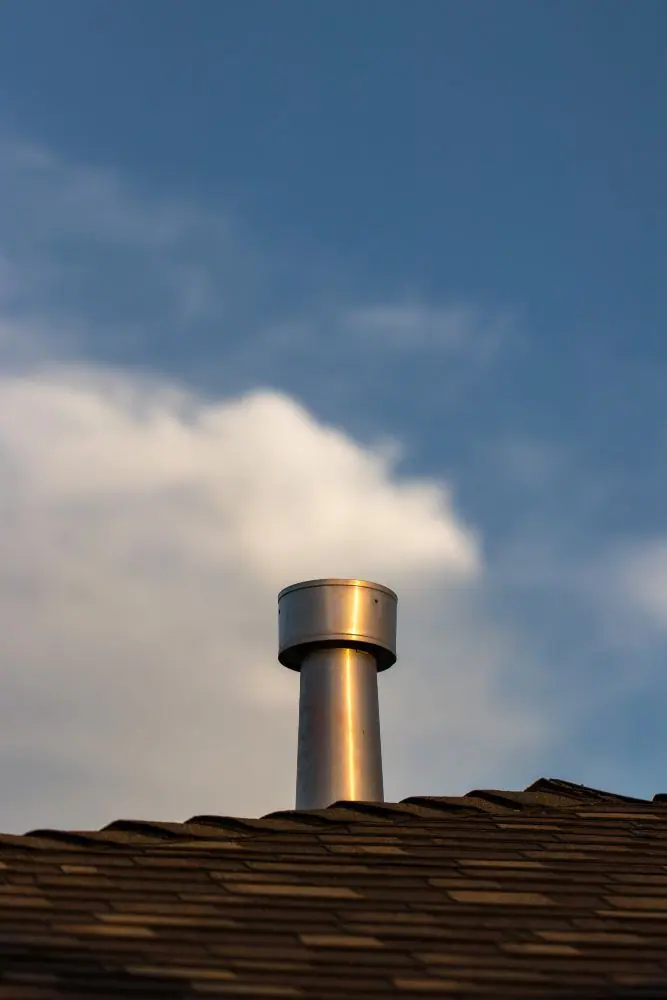
The chimney is the heart of the heating system. It carries flue gases out of the building and ensures that heating appliances operate safely. Without regular maintenance and checks, however, a chimney can pose a serious risk. Accumulated soot, cracks or blocked flues can lead to a fire, carbon monoxide poisoning or less efficient heating. Regular chimney inspections, which are also a legal obligation under Czech legislation, help prevent these risks and keep your home running safely and efficiently.
Legal requirements for chimney inspections
Under Czech Decree No. 34/2016 Coll. on the cleaning, checking and inspection of flues, chimneys must be checked regularly by a qualified chimney sweep. The frequency depends on the type of heating appliance and fuel. For example, chimneys serving solid-fuel appliances, such as wood or coal, need to be checked more often than chimneys serving gas boilers. At Rescue Group we make sure every inspection meets these standards, and we provide the documentation you need in case of an inspection by the authorities.
Safety and fire prevention
One of the main reasons for regular inspections is fire prevention. Accumulated soot or tar in a chimney can easily ignite, which is a serious risk to your home. An inspection reveals these problems and allows them to be removed in time. The check also establishes whether the chimney removes flue gases properly, which helps prevent poisoning by carbon monoxide, a dangerous colourless and odourless gas.
How a chimney inspection works at Rescue Group
A chimney inspection is a thorough process that requires expertise and modern equipment. At Rescue Group we emphasise precise work and an individual approach, ensuring that your heating appliances work safely and efficiently. Our experienced team carefully checks every detail. The inspection process includes several key steps that guarantee quality and your satisfaction.
Initial consultation and planning
The inspection begins with a consultation in which we discuss the type of heating appliance, the type of fuel and any problems you have noticed, such as reduced chimney draught or smoke in the room. Based on this information, we plan the inspection to suit your needs and the legal requirements. This step ensures the check runs efficiently and without unnecessary delays.
Visual and technical check
We carry out a thorough visual check of the chimney, assessing its overall condition, including any cracks, damage or soot build-up. Using modern technology such as inspection cameras, we check the inside of the flues. This step makes it possible to uncover even hidden defects that could compromise safety or heating efficiency.
Measurements and testing
During the inspection, we measure the chimney draught and check the tightness of the flue. These tests ensure that the chimney removes flue gases properly and that no dangerous gases leak into the interior. If necessary, we also clean the chimney to ensure optimal performance. After the inspection, you receive a detailed report with the results and recommendations for further maintenance.
What a chimney inspection reveals
A chimney inspection can reveal a wide range of problems that could endanger your home or health. The most common findings include:
- Soot or tar build-up, which increases the risk of fire
- Cracks or damage to the chimney lining, which can lead to flue gas leaks
- Insufficient chimney draught, which reduces heating efficiency
- Blocked flues, which prevent flue gases from being removed properly
- Unsuitable chimney construction or material that does not meet current standards
These defects can have serious consequences if they are not dealt with in time. Regular inspections ensure that your chimney complies with safety regulations and works as it should.
When a chimney inspection is needed
A chimney inspection is required by law, but its frequency depends on the type of fuel and heating appliance. In general, chimneys serving solid-fuel appliances (such as wood or coal) must be checked once a year, while chimneys serving gas boilers usually every two years. Beyond the legal requirements, an inspection is also recommended in the following cases:
- After installing a new heating appliance
- After the chimney has not been used for a long time
- If you notice problems such as smoke in the room or reduced heating output
- Before the start of the heating season to ensure safe operation
At Rescue Group we will help you determine the right inspection frequency and make sure your chimney is always in perfect condition.
The benefits of regular chimney inspections
Regular chimney inspections bring key benefits that increase comfort and safety. Regular checks extend the life of the heating system by preventing wear and ensuring optimal performance. They save you money by detecting minor defects early that would otherwise lead to costly repairs. They also support a healthy environment by eliminating the risks associated with dangerous gases. And by meeting the legal requirements, you avoid complications with the authorities.
Frequently asked questions about chimney inspections
Chimney inspections raise many questions, especially about their frequency, how they work and whether they are necessary. At Rescue Group we understand that every home or company has specific needs. Below we answer the questions our clients ask most often, to help you understand how inspections ensure safe and efficient heating.
How often should a chimney be inspected?
The frequency depends on the type of fuel. Chimneys for solid fuels (wood, coal) need an inspection once a year, while gas chimneys usually every two years. We will help you determine the exact interval during the consultation.
What happens if I skip an inspection?
Skipping an inspection can lead to fines from the authorities and increases the risk of fire or carbon monoxide poisoning. Regular checks ensure safety and legal compliance.
How long does a chimney inspection take?
An inspection usually takes 30–60 minutes, depending on the condition of the chimney and the complexity of the heating system. Cleaning may take a little longer.
Can I check my chimney myself?
No, by law the inspection must be carried out by an authorised chimney sweep. At Rescue Group we have the necessary certifications and equipment for a professional check.
What should I do if the inspection reveals a problem?
If the inspection reveals defects, we will recommend a suitable solution, such as cleaning, repair or replacing part of the chimney. We will discuss everything with you in detail.
Your safety with professional inspections
Regular chimney inspections ensure long-term comfort and safety for both family homes and commercial premises. Our expert services keep heating systems in optimal condition, extending their life and increasing comfort. Whether you heat a cosy home or run an office or production hall, our precise approach minimises risks and supports efficient heating. With an emphasis on detail and quality, we create an environment where households and businesses can rely on safe, dependable heating for many years.
Book an inspection and be sure your chimney is in perfect condition.