Occupational health and safety in warehouses is a key issue that requires careful planning, training and regular inspection. In this article we give a comprehensive overview of the most important procedures and measures employers must put in place to ensure a safe working environment in warehouses.
Introduction to health and safety in warehouses
Health and safety in warehouses covers a wide range of topics, from handling stored materials and working at height to operating forklift trucks safely. In addition, employers must provide regular OHS training for their employees and introduce strict procedures for preventing workplace injuries.
Securing the work area
Warehouse rules
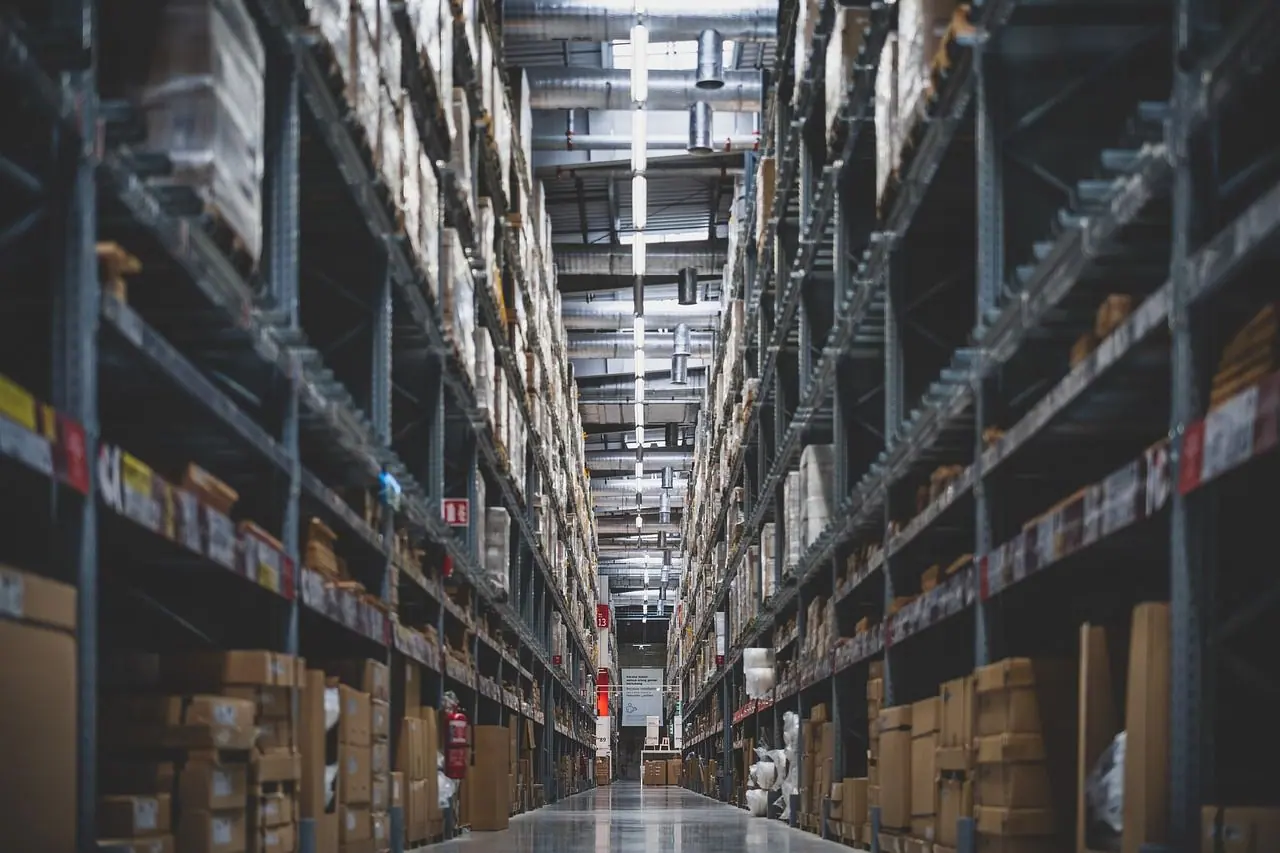
Every warehouse in the Czech Republic must have its own warehouse rules as specified by the technical standard ČSN 26 9030. The document sets out the principles for forming, safely handling and storing handling units. Based on this standard, the warehouse rules must be adapted to cover all the specific conditions of the workplace. If you want to make sure your warehouse rules meet all the requirements, we at Rescue Group can provide expert advice.
In the warehouse rules, the warehouse operator sets out:
- The person responsible for operating the warehouse and for maintenance, repairs and inspections of storage equipment
- The dates of inspections and checks of storage equipment
- Operational and non-operational areas of the warehouse
- The organisation of checks, training and testing of employees
- The protective equipment required and where it is to be used
- A schematic floor plan of the warehouse showing the movement of people and vehicles, usable areas, directions of access and entry, parking and more
- Organisational and safety measures for the safe operation of the warehouse when:
- Vehicles are moving
- People are moving
- Handling units are being formed
- Storage equipment is being operated
- Traffic routes, aisles and paths are being used
- Goods are being received, stored and dispatched
Personal protective equipment (PPE)
Warehouse employees must have suitable personal protective equipment (PPE), especially when operating forklift trucks, where a safety helmet is mandatory under Czech Government Regulation No. 390/2021 Coll. Suitable PPE is essential for preventing injuries, especially where stored materials are stacked higher than 2,000 mm. When handling material above this height, a safety helmet must be worn to avoid danger.
TIP: you can find high-quality personal protective equipment at Zios Profi, for example, which offers a wide range from renowned brands such as Cerva, Portwest and Adler. Employers are obliged to ensure that employees use protective and personal protective equipment at work.
Traffic routes
Routes used by pedestrians or vehicles must be kept permanently clear and wide enough, as required by Government Regulation No. 101/2005 Coll. The width of aisles between racks and stacks must allow safe passage for people and vehicles, with sufficient room for handling. For safety, it is important to carry out regular inspections, including checks of the condition of routes and aisles.
Handling materials
Taking materials safely
If material may be taken from stacked handling units, this must be done safely, as required by the standard. The maximum picking height is set at 1,800 mm from the operator’s safe standing position. One important safety rule is that no one may climb on or move around on stacked handling units.
Storing hazardous substances
Hazardous substances and mixtures must be stored in packaging marked with the type and method of storage specified by the manufacturer. A store of hazardous substances must be marked with a no-entry sign for unauthorised persons and a ban on naked flames. This aspect is often underestimated, but it is extremely important for occupational health and safety. Fire protection documentation for chemical stores must be prepared in accordance with Decree No. 246/2001 Coll.
Manual handling of loads
Specific rules apply to the manual handling of loads to minimise the risk of injury. Using the right work practices is key to preventing accidents caused, for example, by being struck by a load, a load slipping or other accidents at work.
Working at height
Safety principles
When working at heights above 1.5 m, the employer must take technical and organisational measures to prevent employees from falling. The use of ladders and other equipment must comply with Government Regulation No. 362/2005 Coll. Training for working at height is essential to make sure all employees know and follow safety procedures.
Regular training
Employers must provide their employees with regular health and safety training, especially if they work at height. Regular training is not only a legal obligation, but also an important tool for preventing injuries. For high-quality training, you can contact experts who offer specialised courses.
Forklift trucks
Using forklifts safely
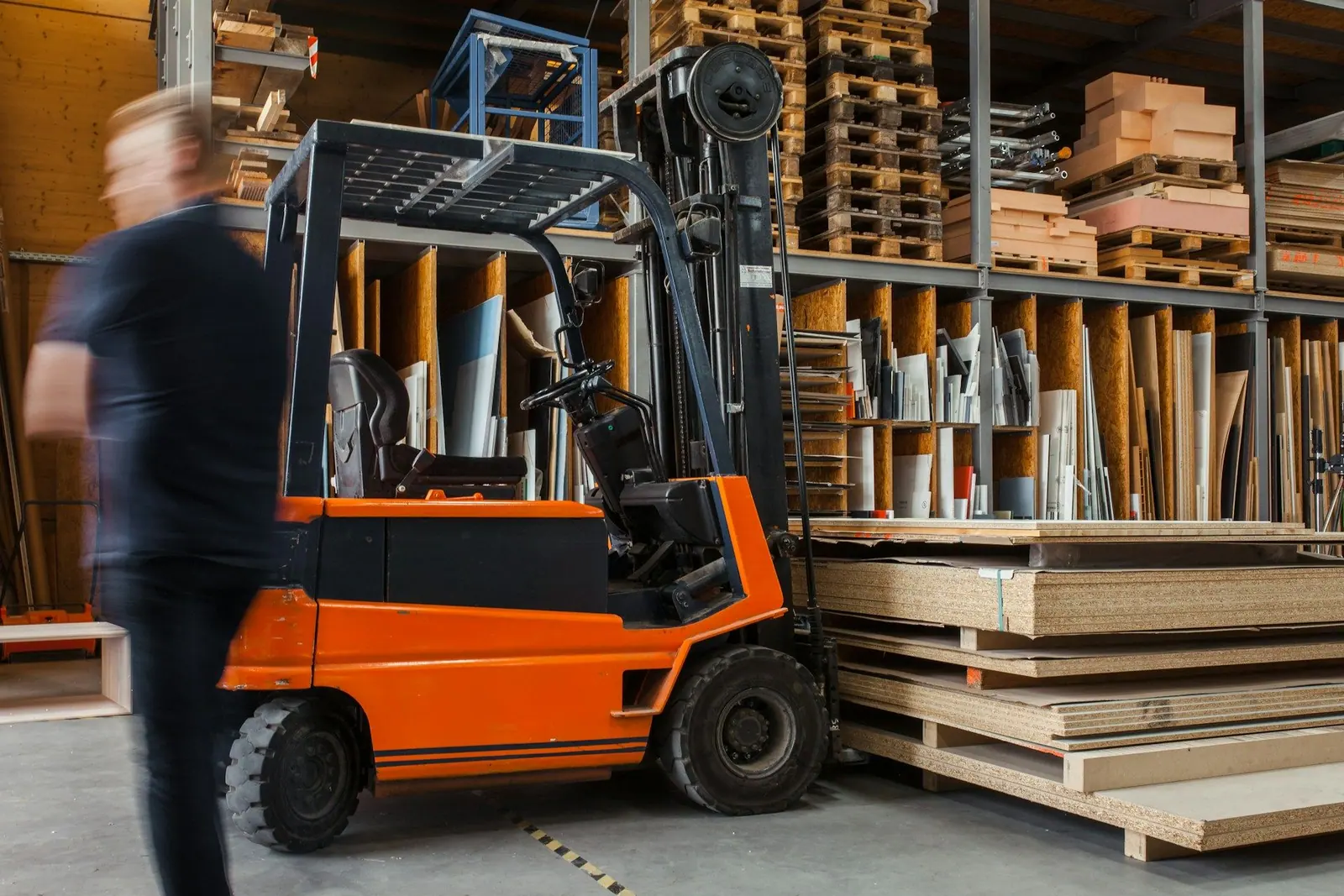
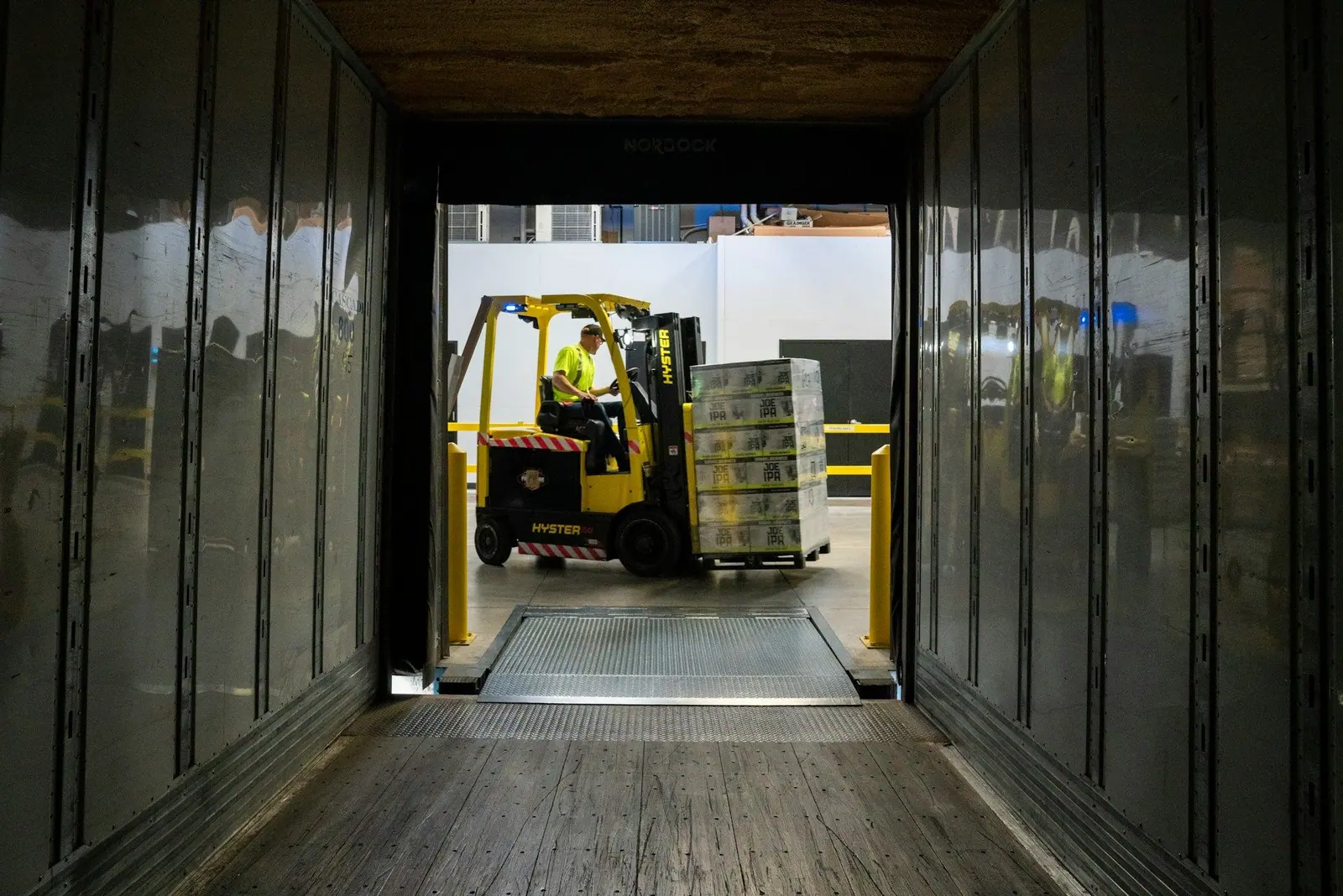
The employer must familiarise forklift operators with the safe use of the equipment. Before starting work, the driver must carry out the checks specified in the truck’s operating instructions. Operator training is key to preventing workplace injuries, which are sometimes caused by incorrect use or lack of knowledge of the equipment.
Work with a health risk
Operating and driving motorised and electric trucks is classified as work with a health risk. Periodic medical examinations for these roles must be carried out once every 4 years, or once every 2 years once the employee has reached 50 years of age, as set out in Decree No. 79/2013 Coll. It is important to regularly check and update employees’ medical records to prevent health complications.
OHS documentation review
- Checking and updating documentation
- Regular employee training
- Monitoring and assessing risks
- Working with health and safety experts
OHS documentation review is a basic step in keeping safety measures in the workplace up to date and effective. An OHS coordinator is often responsible for these reviews and for making sure all necessary training and measures are implemented in line with the latest legislation.
Health and safety in warehouses is a complex task that requires constant monitoring, planning and updating. Employers must make sure all employees are properly trained and have access to the necessary protective equipment. Regular inspections and risk analysis are essential for maintaining a safe working environment.
Need a reliable health and safety partner?