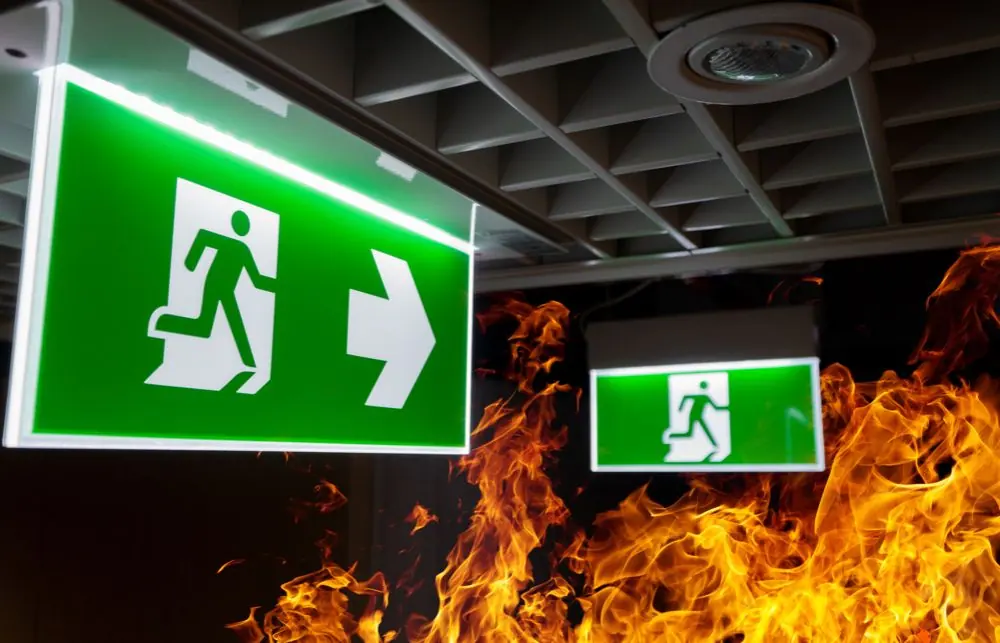
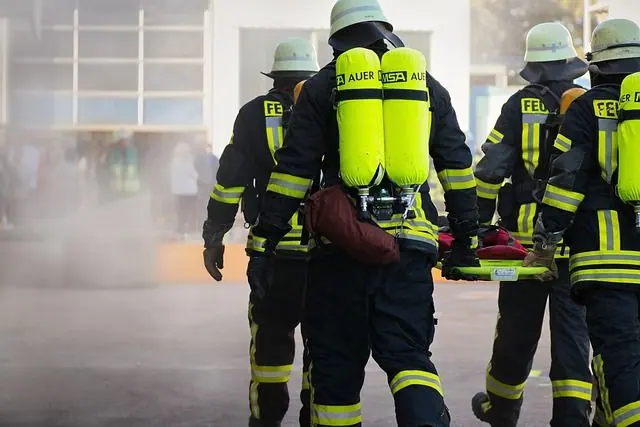
Fires can be devastating and threatening events with serious consequences for companies and employees. To minimise the risk of fire and maximise workplace safety, it is essential to follow carefully designed fire safety measures. We must not forget that one of the basic obligations of legal entities and businesses is to provide fire protection in accordance with the applicable legislation.
Fire extinguishers: the first line of defence
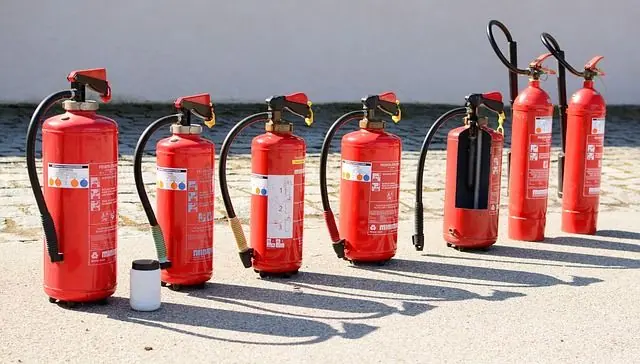
Correctly placed and working fire extinguishers are key to an immediate response to a fire that is just starting. A timely response and correct use of a fire extinguisher can put out a fire in its very early stages and prevent extensive damage. A company should make sure that fire extinguishers are available on every floor of the building and that employees are able to use them. Regular checks and maintenance of fire extinguishers are essential to make sure they work fully at critical moments. Some companies choose fire extinguisher rental, which gives them comprehensive specialist services such as regular servicing and replacement.
Electrical safety: preventing fires caused by electrical equipment
Many workplace fires are caused by electrical equipment. A company should have a carefully prepared risk analysis and set procedures for handling electrical equipment safely. Regular inspection of electrical equipment and fixing any faults are also important. It is also important to keep electrical cables in good condition and avoid overloading them.
Regular checks and training: increase knowledge and preparedness
Regular fire safety inspections of installations and equipment are the basis of fire prevention. This includes testing fire alarms, smoke detectors and automatic fire suppression systems. It is also important to provide regular fire safety training for employees. This not only increases their knowledge, but also improves their reaction time in a real fire.
Evacuation plan: ready for the worst-case scenario
Every company should have a clear and understandable evacuation plan. Employees should know how to leave the building quickly and safely in the event of a fire. The plan should include clear escape routes, assembly points and instructions for all employees. Regular evacuation drills can be key to making sure everyone knows what to do in an emergency.
Escape routes and safety zones: ready for every eventuality
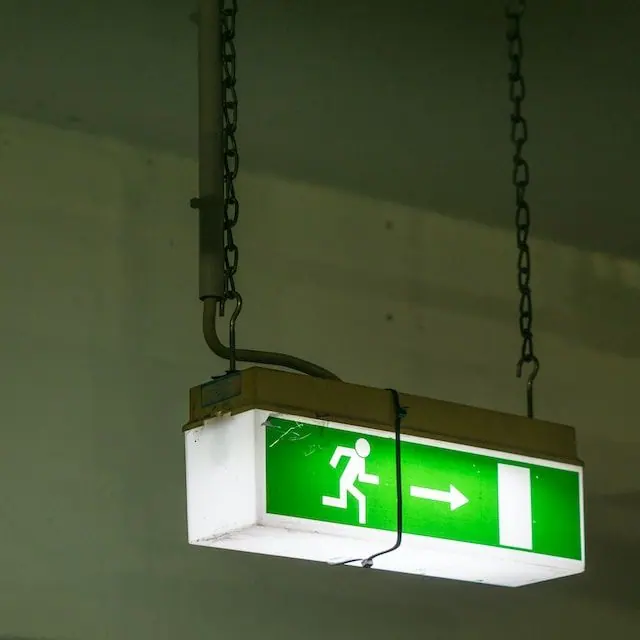
A company should have clearly marked and maintained escape routes and safety zones. This includes keeping the space around exits and emergency exits clear so that the building can be left quickly and safely. Creating safety zones outside the building can be key to minimising the risk of injury.
Operational cards: a key tool for a fast and coordinated response
Firefighting documentation (DZP), or the operational card, is a key element in effectively managing fire incidents. The document consists of a text part with recommendations for the incident commander and a part with the layout or plan of the entire building. The firefighting documentation therefore contains all the information firefighters can use to carry out the most effective response possible. That is why an operational card is mandatory for many buildings – it provides clear, structured information for an immediate and coordinated response to a fire.
Following these basic fire safety measures is essential for creating a safe working environment. A company should regularly update its measures in line with the latest standards and laws. Occupational health and safety should be a shared goal of all employees, which is why it is important to regularly emphasise the importance of following these measures. Together we can create a working environment that protects lives and property.
We are fire protection specialists
Published: 11/2023