Operational cards are an indispensable tool in fire safety. This document, which provides critical information about a building, significantly increases the effectiveness of fire brigade interventions. Some buildings that are difficult to access in an emergency or have a high fire risk are required to have this documentation. An operational card contains all the information firefighters may need during an intervention.
Why operational cards matter
Operational cards are an essential part of the documentation used in firefighting interventions and play a key role in ensuring safety and effectiveness in crisis situations. The card is part of the wider framework of the operational plan, and together they form the firefighting documentation (DZP), an invaluable tool for all the services responding to a fire or other crisis.
Operational cards provide important information that has a direct impact on the speed, coordination and success of the intervention. They include, for example, details of where the hydrants are located. The card documentation also includes information about the main shut-offs for water, gas and electricity, which helps prevent dangerous injuries, explosions or the spread of fire. These shut-offs are essential for keeping firefighters safe and minimising risks during the intervention.
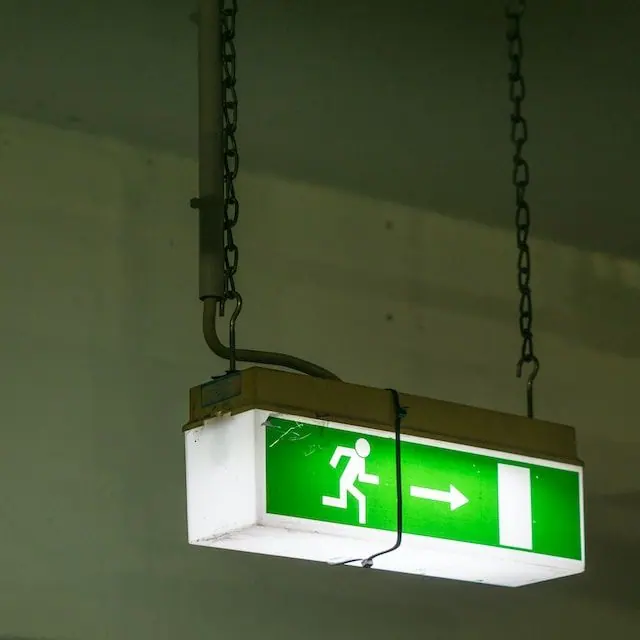
Other important information provided by operational cards includes escape routes and emergency exits, which are essential for getting people out of endangered areas safely. Operational cards also include an overview of materials that may be hazardous in terms of combustion or toxicity, such as chemicals, flammable substances or other dangerous materials that could increase the intensity of the fire or cause further complications during the intervention.
With this information, firefighters can get an immediate overview of the situation and adapt their tactics, which is crucial for minimising damage and keeping everyone involved safe. Operational cards therefore not only make a fast response easier, but also enable effective coordination between the different parts of the integrated rescue system. Properly prepared and up-to-date operational cards are an indispensable tool that contributes to better preparedness and a fast response to crises, increasing the chances of a successful intervention and the protection of health and property.
Regular training for staff who work with operational cards
Although operational cards are an invaluable tool for effective interventions in fires and other crises, the documentation itself is worthless if staff do not know how to work with it properly. Regular training for everyone who uses these cards is key to making sure everything runs smoothly and quickly in an emergency.
Training focused on the correct use of operational cards should be part of the regular education of all staff involved in rescue and safety activities. This includes not only firefighters, but also others who may be directly involved in crisis situations, such as building managers or staff responsible for the building’s technical systems. In fire safety training, staff learn how to find the information they need in operational cards quickly and efficiently, how to read plans and how to use information about hazardous areas or safety features.
One of the key aspects of the training is teaching staff to interpret the content of operational cards correctly. These cards contain a great deal of important information, which must be clearly organised so that it is easy to access during an intervention. Training should cover not only basic procedures, but also specific instructions on how to act in different crisis scenarios. This includes, for example, how to respond to sudden changes in the fire situation, how to use emergency exits or how to shut off the main water, gas or electricity supplies correctly when needed.
Another important point is training focused on updating operational cards. Buildings can change over time – new technologies are added, the layout of the building changes or it is renovated. Staff must be regularly informed about these changes, and the operational cards must always be up to date. Training should include the processes for updating and reviewing the cards so that they reflect new requirements, technologies and changes to the buildings.
It is also important to hold regular exercises and simulations of crisis situations, in which staff can become familiar with how operational cards are actually used in practice. Such exercises allow staff to master the procedures and make sure they can respond quickly and correctly in a real intervention.
In summary, training focused on operational cards is not a one-off, but a continuous process that must be renewed regularly. The emphasis is not only on understanding the theoretical information contained in the cards, but also on using them in practice in crisis situations. Regular training ensures that all staff have the skills and knowledge needed to use operational cards effectively and safely, which can have a decisive influence on the success of an intervention and the protection of health and life.

The structure and content of operational cards
Operational cards should be clearly structured and contain all the relevant information. An operational card can be divided into two parts: a text part and a graphic part.
The text part
The text part sets out recommendations for the incident commander. It covers the basic fire safety characteristics of the building and its technology, any structural peculiarities of the building, a description of escape routes, the location of fire water supply equipment, the location and operation of other fire safety equipment, and other supplementary information. Here is a brief overview of the standard information in the text part of an operational card:
- Building identification: the name, address and characteristics of the building.
- Plans and diagrams: clear maps of each floor, evacuation plans and the location of safety features.
- Technical information: information on building materials, hazardous zones and specific technologies used in the building.
- Contact details: key contacts for the building manager and the people responsible for safety.
- Location of hydrants and firefighting equipment: the exact locations of fire hydrants and fire extinguishers in the building.
- Main shut-offs: the locations of the main water, gas and electricity shut-offs for quick isolation in the event of a fire.
- Escape routes and emergency exits: a detailed plan of the evacuation routes and the location of all emergency exits.
- Hazardous materials: information on the presence of hazardous substances and their exact locations.
- Supplies and resources: where important supplies are kept, such as fire doors, fire suppression systems and other relevant equipment.
- Special safety measures: special instructions and measures for dealing with hazardous zones or equipment.
The graphic part
The graphic part is essentially a layout or plan of the whole building. Where necessary, it also shows the location of surrounding buildings, water sources for firefighting, access roads and the hardstanding areas intended for fire appliances.
The benefits of properly prepared operational cards
Properly prepared and up-to-date operational cards are an essential tool for ensuring effectiveness and safety in fire brigade interventions. These cards offer a number of fundamental benefits that make a significant contribution to handling crisis situations such as fires or other emergencies successfully.
One of the biggest benefits of properly prepared operational cards is fast orientation. Firefighters who have accurate and up-to-date information about the building can immediately find the location of key points such as hydrants, water, gas and electricity shut-offs or escape routes. This ability to get their bearings quickly significantly speeds up the intervention, as rescuers avoid unnecessary searching or losing time assessing the situation. The faster the response, the lower the risk of damage or injury, which can have a direct impact on saving lives.
Another significant benefit is the safety of the responders. Operational cards contain detailed information about the risks that may arise during the intervention, such as flammable materials, toxic substances or dangerous structures. With this information, the responding units can better assess potential threats and take preventive measures that minimise the risk to their health and lives. Rescuers can then concentrate on the intervention itself without being unnecessarily exposed to unknown dangers.
The effectiveness of the intervention is another key factor that operational cards significantly increase. In crisis situations, when every moment counts, it is essential that all parts of the rescue team work in a coordinated way and without mistakes. A well-prepared operational card allows tasks to be divided optimally, clearly defines responsibilities and ensures that every responder knows what to do and what their task is at each stage of the intervention. This coordination minimises the risk of mistakes, ensures the intervention runs smoothly and allows an effective response to changing conditions on site.
In addition to these main benefits, operational cards also contribute to overall preparedness and prevention. Up-to-date information about buildings and their specific features, such as the location of hazardous materials or special safety features, allows firefighters not only to prepare better for a particular intervention, but also to prevent potential problems. Regular review and updating of these cards is therefore key to ensuring they are effective at critical moments.
In summary, properly prepared operational cards are not just a practical aid, but an essential tool for ensuring a fast, safe and effective intervention. They allow firefighters to respond to crisis situations with greater safety, greater effectiveness and minimal risk, which is ultimately key to protecting the health and lives not only of the responders, but also of the people in danger.
Our role in preparing operational cards
At Rescue Group we specialise in comprehensive solutions in fire protection. Our expert teams provide professional services in preparing operational cards, drawn up in line with current legal requirements and the specific features of each building. We work with businesses in many sectors and make sure every card contains all the information needed for a fast and effective intervention.
Operational cards are an indispensable tool for successful firefighting and for protecting property and lives. At Rescue Group we are your reliable partner in occupational health and safety (OHS). We prepare detailed and accurate documentation that can save lives and minimise damage in crisis situations. With our experience and expertise, we will make sure your operational cards are always up to date and ready for use.
Need firefighting documentation drawn up?