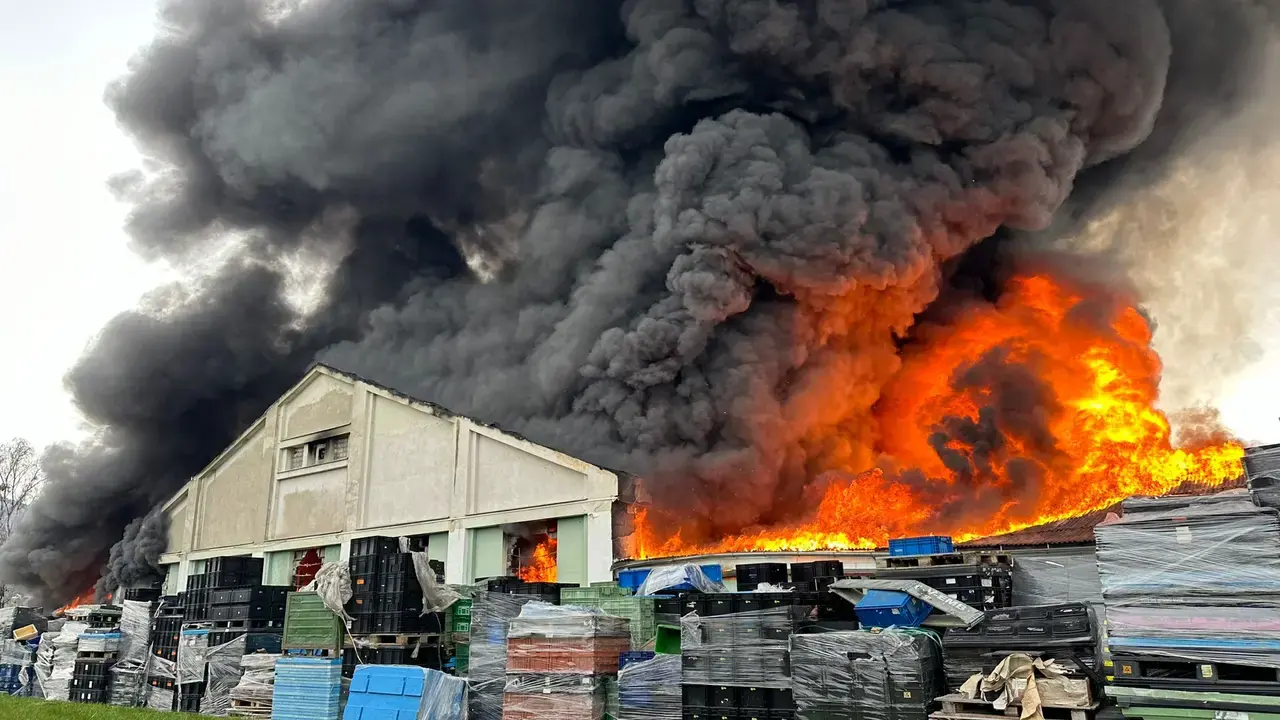
Last year brought not only a tragic event in fire safety, but also a valuable lesson for all organisations and companies that care about the safety of their buildings. The fire that destroyed a production hall in Frenštát pod Radhoštěm in March 2024 became the biggest disaster of the year in the Czech Republic. It was caused by a technical fault in the lighting, which led to damage of CZK 220 million. The incident highlighted not only the danger of technical faults, but also the importance of proper maintenance and regular checks of equipment during preventive audits. The fire at the hall in Frenštát pod Radhoštěm caused CZK 220 million of damage and was assessed as the most destructive fire of 2024. It started because of a fault in the lighting, a reminder of how important it is to check the condition of light fittings, their covers and the type of lighting used during regular audits.
How the fire started
The fire that caused extensive damage at the site in Frenštát pod Radhoštěm was caused by a technical fault in one of the light fittings in the hall. According to Radim Kuchař, director of the Fire and Rescue Service of the Moravian-Silesian Region, the fire started when a fluorescent tube burst. This seemingly ordinary problem led to burning fragments of the tube falling onto plastic crates stored nearby. The plastic, which is highly flammable, immediately caught fire, and the flames spread rapidly throughout the hall. Although at first sight the incident might have seemed like a trivial fault, it had devastating consequences.
The fire spread to every part of the hall, which covered an area of 4,700 m². This meant the fire affected a large part of the building and caused considerable material damage. As well as the destroyed building, all the machinery, equipment and goods in the hall were irreparably damaged. Fortunately, thanks to the firefighters’ rapid response, only part of the property was affected. The firefighters managed to save property worth around CZK 80 million, a huge success in such a critical situation.
The flames and thick smoke, visible for dozens of kilometres, showed that the fire was not only very intense, but also far-reaching. Pieces of burning plastic flying from the building started new fires on the roofs of neighbouring buildings. Firefighters had to work not only in the hall itself, but also in the surrounding area to prevent further damage. The amount of water needed to put out the fire was enormous – the firefighters used more than one and three-quarter million litres of water.
Despite these huge challenges and the scale of the fire, the firefighters managed to stabilise the situation. Thanks to their tireless work and coordinated response, the fire was put out without greater loss of life or even greater devastation of property. The incident showed once again how important prevention, regular maintenance and careful monitoring of the condition of electrical and lighting equipment are for preventing similar disasters in the future.
The risk of old fluorescent tubes
The fire that caused huge damage in Frenštát pod Radhoštěm last year is not an isolated example of a technical fault in light fittings with devastating consequences. The incident showed how great a danger older types of lighting, especially fluorescent tubes, can pose if they are not properly maintained. The fire started completely unexpectedly from a burst fluorescent tube, whose burning fragments fell onto plastic crates and caused the flames to spread rapidly. What at first sight seemed a minor fault led to a major fire with material damage running into tens of millions of crowns.
This incident should serve as a warning to all businesses and organisations that use older types of lighting, especially fluorescent tubes. If these older light sources are still in use, particular attention must be paid to their condition and proper maintenance. Fluorescent tubes wear out over time, and if they are not regularly checked and maintained, technical faults can develop that pose serious risks.
For this reason, it is essential to pay attention not only to the condition of the lighting itself, but also to its covers and the type of lighting used during regular audits. Inadequate maintenance, old light fitting covers or dirty fittings can be dangerous. If a fluorescent tube bursts or damages surrounding materials, such as plastic crates, they can quickly ignite and a fire can start.
An important aspect of fire safety is not only regular maintenance of light fittings, but also checking them and, where appropriate, replacing them with newer, safer technology. Lighting technology is constantly evolving, and modern LED lighting is often safer, more economical and much less prone to technical faults. An audit must check whether the light fittings meet current standards and whether their covers are sufficiently robust and protective. It is also important to make sure the lighting installation complies with current safety regulations.
Given the risks described above, every organisation needs to audit its lighting, the related electrical equipment and its protective features regularly. Safety experts recommend that audits allow enough time to check the condition of light fittings, including their covers and connectors, especially where older fluorescent tubes are used. Prevention in the form of early detection and maintenance can help prevent accidents and significantly raise the level of fire safety in workplaces.
Keeping an eye on these details and maintaining lighting systems properly is not just a matter of complying with regulations, but also of responsibility for employees’ health and safety and for preserving the company’s valuable property. A justified investment in regular audits, lighting upgrades and checks can not only prevent tragedies, but also keep the business running smoothly without interruptions caused by unexpected events.
Why old fluorescent tubes are dangerous
Old fluorescent tubes, even when they work, wear out over time and become prone to bursting. If this happens, burning fragments of the tube can easily fall onto surrounding materials and start a fire. Without a proper cover to prevent this, the risk is at its highest.
This fire, caused by a burst fluorescent tube, shows the clear danger of older light sources, which can cause enormous damage when a technical fault occurs.
When lighting checks are essential
Every safety audit should check not only the equipment itself, but also several key factors that can have a major influence on fire safety and the overall operational reliability of the lighting:
- Condition of light fitting covers – if the covers are not properly closed, burning fragments can easily escape during a fault and ignite surrounding material. In addition, an unprotected fitting can be exposed to dust, moisture or mechanical damage, which further increases the risk of failure.
- Type of lighting used – older technologies such as fluorescent tubes carry a higher risk of faults, overheating and mechanical damage. Modern LED lighting not only uses less energy, but is also more resistant to faults and does not produce the kind of heat load that could contribute to a fire.
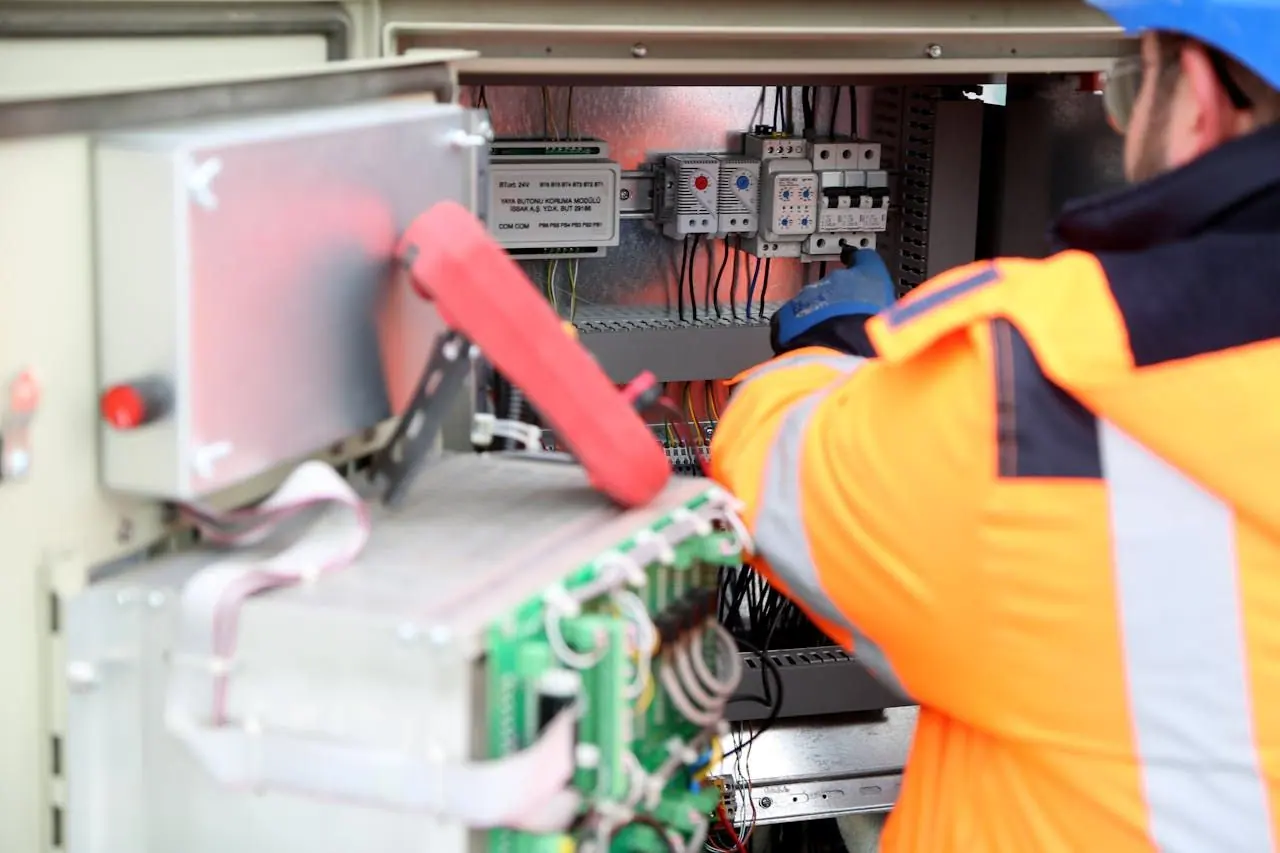
- Condition of the electrical installation – regular maintenance, repairs and electrical inspections can have a significant effect on operational safety. Old or damaged cables, incorrectly sized wiring or poor-quality connections can cause overheating and a subsequent fire. We recommend regular checks not only of the light fittings, but of the whole electrical system in the building.
As well as these factors, it is also important to monitor the environment in which the lighting is installed. In areas with higher levels of dust or moisture or with flammable materials, lighting should be checked more often, with an emphasis on preventive measures.
What Rescue Group can do
Rescue Group specialises in safety training and fire protection services, playing a key role in preventing fires and other dangerous incidents. As well as training employees in the correct procedures for working with lighting and electrical installations, it also offers comprehensive services aimed at minimising the risks associated with lighting.
One of the most important services is a regular audit of lighting and electrical installations, in which experts thoroughly inspect light fittings and wiring to uncover any risks and prevent technical faults. The offer also includes building inspections to keep your operations safe in the long term.
Another key area is training employees in working safely with electrical equipment. Employees learn how to prevent accidents, handle electrical installations correctly and respond to technical faults so as to minimise the risk of fire or other hazards. Through these measures, Rescue Group helps companies ensure a safe working environment and reduce the likelihood of dangerous situations.
Key steps to ensuring safety
If businesses want to avoid disasters caused by technical faults in light fittings, they should focus on a few basic measures:
- Regular inspection: wherever older fluorescent tubes are used, the light fittings and their covers must be checked and maintained regularly.
- Installing modern lighting: replacing old fluorescent tubes with newer technologies such as LED lights, which have a lower risk of faults.
- Proper covers: using good-quality covers for fluorescent tubes, which can stop burning fragments escaping during a fault.
Putting these steps in place is essential not only for preventing fires, but also for protecting property and employees’ health. With its specialisation in fire protection and training, Rescue Group can be a key partner for your company in ensuring workplace safety.
Why firefighting documentation matters
Firefighting documentation is an essential fire protection and crisis management tool that helps minimise damage and keep employees and property safe. Although many companies do not realise its importance, in a fire it can determine how effectively and quickly the situation is brought under control. It contains precise procedures, evacuation plans and technical information that make the work of firefighters and employees easier, ensure smooth coordination and increase the chances of handling an emergency successfully.
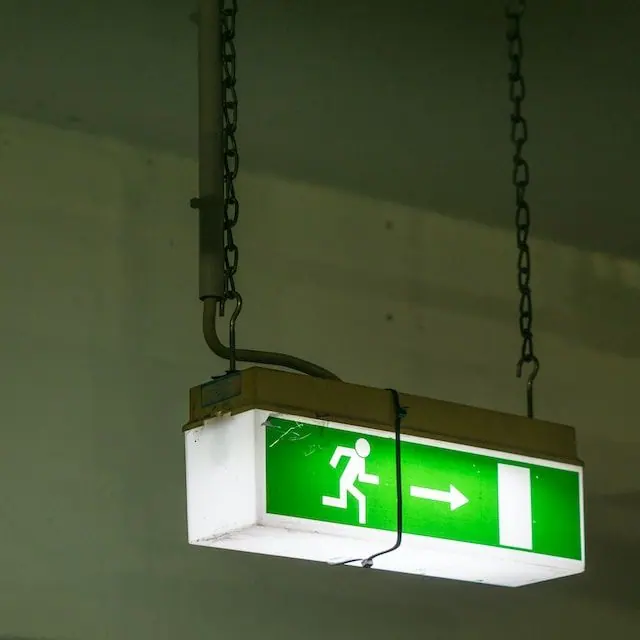
Firefighting documentation must be a practical, easy-to-understand document that gives clear instructions for minimising risks in a crisis. One of its most important elements is the evacuation plan, which sets out escape routes, assembly points and safety measures for leaving the building. This plan enables a fast and effective evacuation, minimises panic and helps protect lives.
The documentation also includes a detailed overview of the location of fire equipment such as hydrants, fire extinguishers and fire detectors. Firefighters then have immediate access to information about the firefighting resources available, which shortens their response time and helps minimise damage. It is also important to identify high-risk locations, such as areas with flammable materials or places where a fire is particularly likely to start.
Another key element of the documentation is detailed intervention procedures for fire brigade units. If firefighters know in advance what measures to take on arrival, they can deal with the fire more effectively and stop it spreading further. Contact details for the responsible persons and the crisis team, who can immediately provide important information and coordinate the next steps, are also essential.
How documentation makes the firefighters’ job easier
Properly prepared documentation allows firefighters to find their way around the building quickly and speeds up their intervention considerably. Accurate information about the location of gas and electricity shut-offs helps them stop the fire spreading and prevent secondary hazards such as explosions or leaks of hazardous substances. Knowing the escape routes, firefighters can help evacuate people effectively and minimise the risk of panic.
In a crisis, when every minute counts, up-to-date documentation allows firefighters to proceed systematically and without improvisation. This not only reduces the likelihood of mistakes, but also makes the whole intervention more effective.
One of the most common mistakes companies make is creating documentation and then not updating it. Buildings and operations change constantly – there are renovations, warehouse areas are moved and technology is modernised. If the documentation does not reflect the current state of the building, it can be misleading during an intervention and more of a hindrance than a help.
That is why it is essential to review and update the documentation at least once a year, or whenever there is a significant change to the building. These reviews should be accompanied by training for employees, who need to become familiar with the new procedures and safety measures.
The importance of employee training
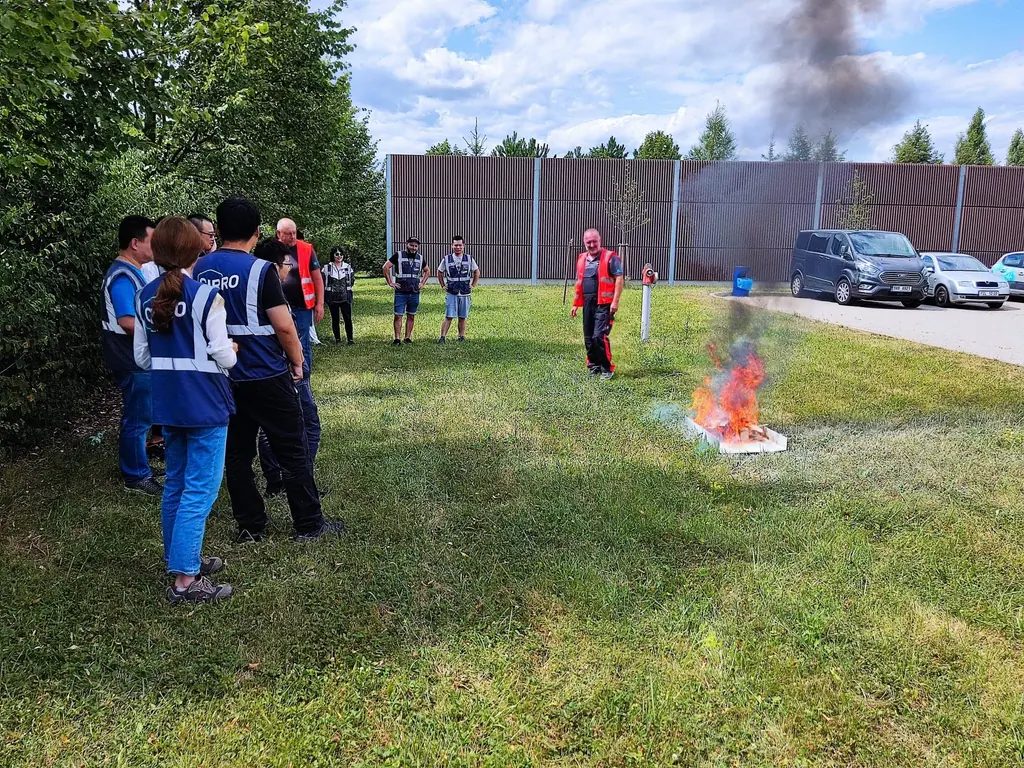
Alongside good documentation, regular employee training is also key to fire prevention. Even the best plan is useless if people do not know how to act in a crisis. Safety measures should therefore include regular fire drills, first aid training and evacuation practice.
Well-trained employees know the correct procedures, where the fire extinguishers are and how to use them properly. As a result, they can stop a fire spreading by acting in time and minimise the damage. They can also help colleagues effectively during an evacuation, reducing the risk of injury and panic.
Today, digitalisation and modern technology play an increasingly important role in making fire protection easier. Instead of traditional paper plans, digital fire plans are increasingly used, which can be updated quickly and shared with firefighters immediately, even before they arrive at the scene.
Smoke and heat detection sensors have also brought great progress, as they can automatically alert fire brigade units to a fire that is just starting. This significantly shortens the response time and increases the chances of bringing the situation under control in time. Another innovation is modern evacuation systems with voice guidance, which give clear instructions for leaving the building safely instead of traditional sirens.

The key to effective intervention and prevention
Firefighting documentation is an essential part of fire safety and crisis management. Properly prepared documentation not only helps during the firefighters’ intervention itself, but also serves as an important tool for prevention and for preparing employees for emergencies. Regularly updating the documentation, employee training and the use of modern technology can significantly reduce the risk of fire and minimise its consequences.
Rescue Group provides comprehensive fire protection services, including preparing firefighting documentation, employee training and upgrading fire systems. Investing in safety always pays off – it not only protects property and lives, but also helps meet legal requirements and avoid heavy fines. If your company does not yet have up-to-date fire documentation, now is the time to put that right.
Lessons from Frenštát
The fire in Frenštát pod Radhoštěm showed how quickly a technical fault in lighting can turn into a devastating fire. Beyond this specific event, however, it is important to realise how essential prevention is in fire safety. Audits must check not only the technical condition of light fittings, but also their covers and the types of lighting. Old fluorescent tubes without covers can pose a danger that must not be underestimated. Proper maintenance and regular checks of this equipment can significantly reduce the risk of fire and protect property and lives.
Investing in prevention, including regular audits and lighting upgrades, pays off. Prevention is the key to minimising risks and protecting not only material assets, but also human lives. Every fire, large or small, teaches us how important it is to ensure safety at every level.
If you need advice on fire protection and keeping your company safe, do not hesitate to contact us.