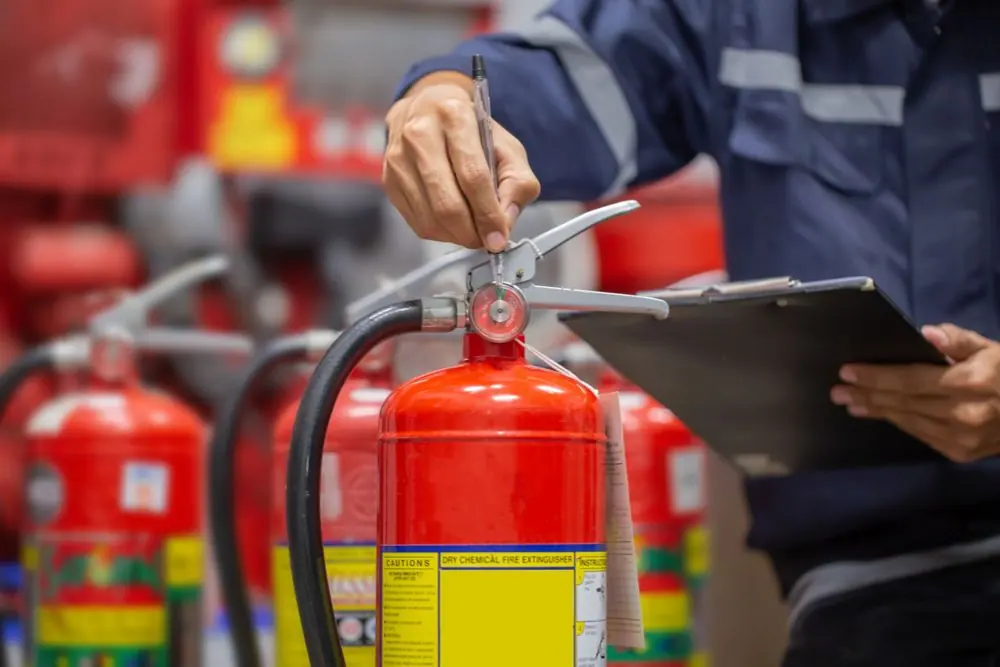
Environmental management is no longer just a voluntary initiative or a fashionable trend. In 2026, for many companies it is a legal obligation, a condition for winning contracts and, increasingly, a factor that determines the trust of customers and business partners. Yet many companies get lost in this topic. What exactly does environmental management involve? What does the law require of a company? And how do you set up the whole system correctly so that it works in practice and is not just a pile of paperwork?
What environmental management is and what it covers
Environmental management is a system through which a company identifies, manages and reduces its impact on the environment. It is not just about sorting waste or saving energy. It is an overall approach to how the company operates and how it takes into account the impact of its activities on the surrounding environment.
Environmental management usually includes:
- Identifying the environmental aspects and impacts of company activities
- Monitoring and meeting legal obligations in the environmental field
- Setting targets for reducing environmental burdens
- Regular internal audits and system reviews
- Educating employees and involving them in the system
A properly set up system is not only a prevention tool. It is also a competitive advantage. Companies with working environmental management have better access to public contracts, obtain certifications more easily and build credibility with customers and investors.
ISO 14001
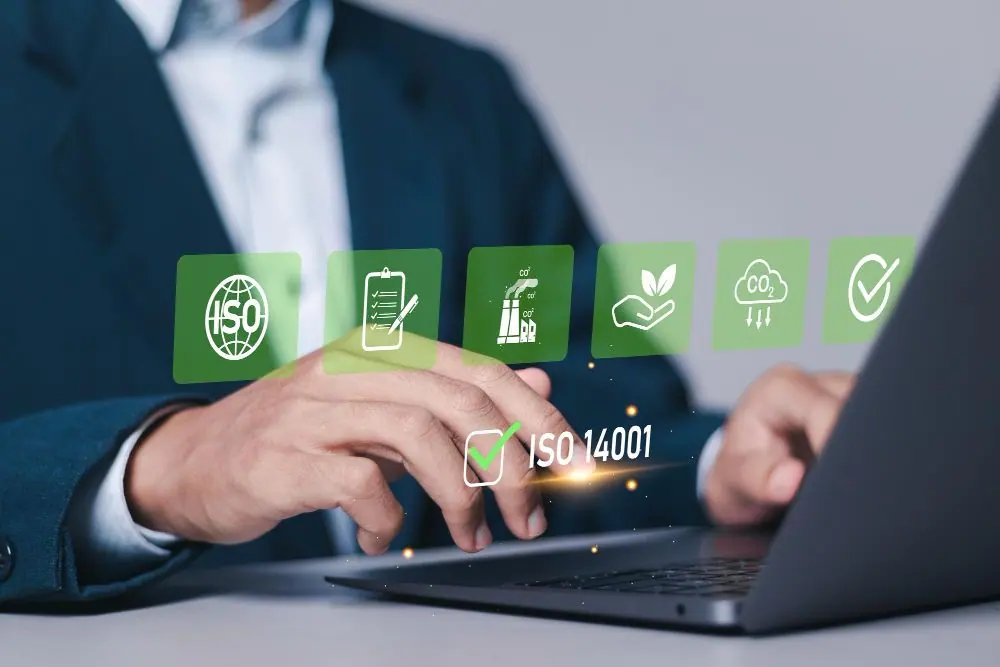
The most widely used tool for introducing environmental management is the ISO 14001 standard. It is an international standard that sets out the requirements for an environmental management system (EMS) and gives companies a framework for introducing and improving it.
ISO 14001 does not require a company to achieve specific environmental results. It requires it to have a working system that systematically monitors and improves those results. In other words, the emphasis is on the process, not only on the result.
Certification to ISO 14001 is voluntary, but in practice it is increasingly required as a condition for entering supply chains, public tenders or partnerships with larger corporations.
Companies’ legal obligations in the environmental field
In practice, environmental management also means monitoring and meeting legal obligations. Czech environmental legislation is extensive, and for companies that do not know it or do not follow it, it can be a source of high fines and legal complications.
The key areas include waste management, air protection, handling chemical substances, protection of water and soil, and obligations arising from operating certain types of installations.
One of the most serious situations that can arise is environmental damage. If a company causes damage to the environment through its activities, it is legally obliged to remedy the damage or arrange remedial measures. Dealing with environmental damage is a specialist field that requires knowledge of the legislation as well as practical experience.
Compliance with environmental legislation is not optional. It is a legal obligation, and failing to meet it can have serious legal and financial consequences.
Environmental audit
Before a company starts building or improving an environmental management system, it needs to know where it stands. That is what an environmental audit is for.
An internal environmental audit according to ISO 14001 is a systematic, independent and documented assessment of whether the company meets the requirements of the standard and its own environmental policy. The audit reveals weak points, nonconformities and opportunities for improvement.
An audit is not a state inspection. It is a tool the company uses for itself to have an up-to-date overview of the state of its system. It is also a mandatory part of ISO 14001 certification.
The output of the audit is a report with specific findings and recommendations. On that basis, the company takes corrective action and moves the system forward.
The link with occupational health and safety
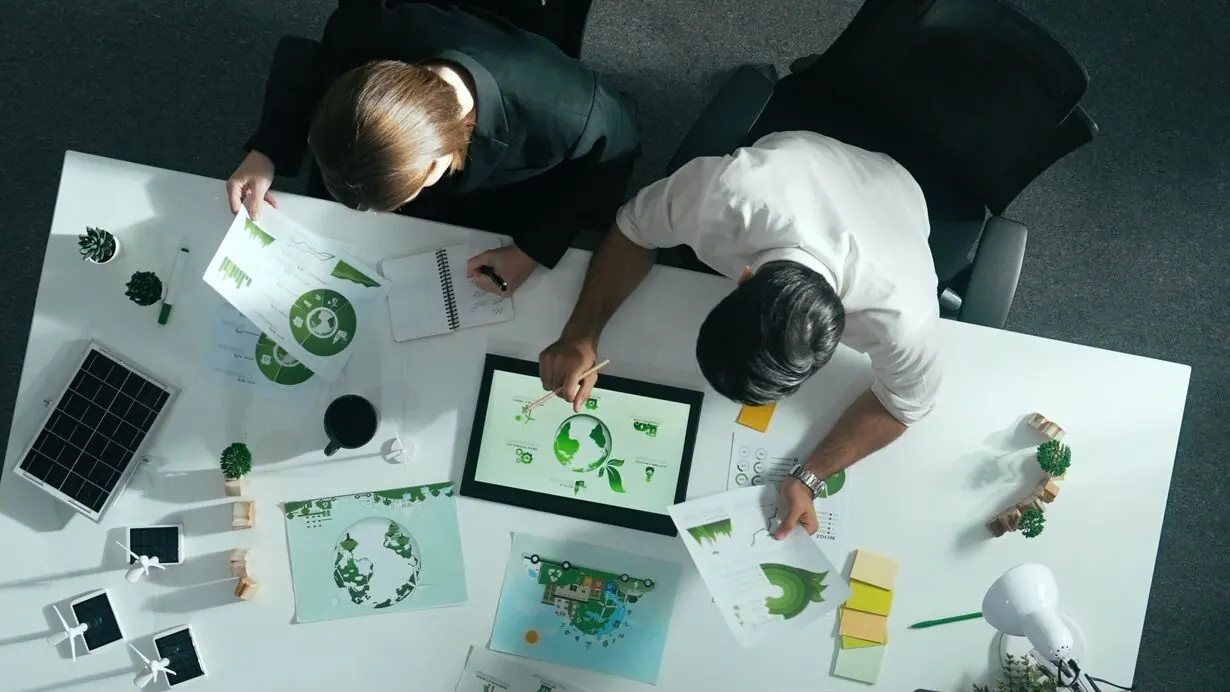
Environmental management and occupational health and safety are not separate worlds. In practice, the two areas very often overlap. Chemical substances that can threaten the environment usually also pose a risk to employees. An accident or a leak of hazardous substances affects both the surrounding environment and the safety of workers.
That is why companies that take environmental management seriously often deal with both systems together. At Rescue Group we work in both areas. Besides the EMS, we can therefore also provide comprehensive health and safety services, whether inspections, employee training or risk analysis.
Q&A – frequently asked questions about EMS
Does every company need environmental management?
Legal requirements vary depending on the type and scope of the company’s activities. However, every company must meet the obligations arising from Czech environmental legislation. ISO 14001 certification is voluntary, but in practice more and more customers and partners require it as a condition of cooperation.
How difficult is it to introduce ISO 14001?
It depends on the size of the company and the complexity of its processes. For smaller companies, implementation can be relatively quick. For larger companies with complex operations, it is a longer-term project.
What is environmental damage and how can it be prevented?
Environmental damage is harm to the environment caused by company activities, such as soil contamination or water pollution. It can be prevented with a working environmental management system, regular audits and consistent monitoring of legal obligations.
Can Rescue Group help with introducing environmental management?
Yes. At Rescue Group we deal with corporate ecology comprehensively, from environmental audits and legal compliance to environmental damage assessment and consulting. If you do not know where to start, we will be happy to help you set up a system that also works in practice.
Environmental management does not pay to postpone
Companies that put off environmental management face not only growing regulatory pressure. They also risk losing contracts and business partners and, in extreme cases, serious legal consequences.
With us, environmental management is not just an administrative burden. It is a tool that will help you manage risks, meet legal obligations and build credibility.
Secure your company’s sustainable development – contact us.