The Christmas holidays bring joy, but also significant risks on the roads. Rushing, bad weather, poor visibility and celebrations involving alcohol can easily lead to tragedy. How can you travel safely and avoid accidents? Here is a complete overview of the most common risks and tips on how to avoid them.
Stress and hurry – the hidden enemies of safe driving
Christmas is a time of joy, but also of a hectic pace. Rushing to buy presents, get to family gatherings or visit Christmas markets – common all year round, but amplified over the holidays – can easily put drivers under pressure. The result is faster driving, loss of concentration and a higher risk of a road accident. Drivers are often distracted by thoughts of everything that still needs doing, and they pay less attention to what is happening on the road.
Hurrying is one of the main causes of accidents. Drivers often miss road signs, fail to keep a safe distance between vehicles or overtake dangerously. These situations can lead to multi-vehicle collisions that cause not only material damage, but also serious injuries. Yet most of them could easily be prevented if drivers spent more time preparing for the journey and respected their limits.
Hurrying also has a negative effect on the driver’s state of mind. Under pressure, levels of the stress hormone cortisol rise, which can lead to impulsive behaviour and a loss of the ability to assess a situation quickly and correctly. The combination of stress and lack of rest is the perfect recipe for mistakes that can have fatal consequences.
Tip: Plan your journeys well in advance to avoid stress. Make a list of the tasks you need to do and spread them over several days to avoid a last-minute rush. If you feel tired or under pressure, stop for a moment, take a breath and calm down before continuing your journey. A short break to rest or stretch can significantly improve your concentration and your ability to drive safely.
Winter weather and the hazards of slippery roads
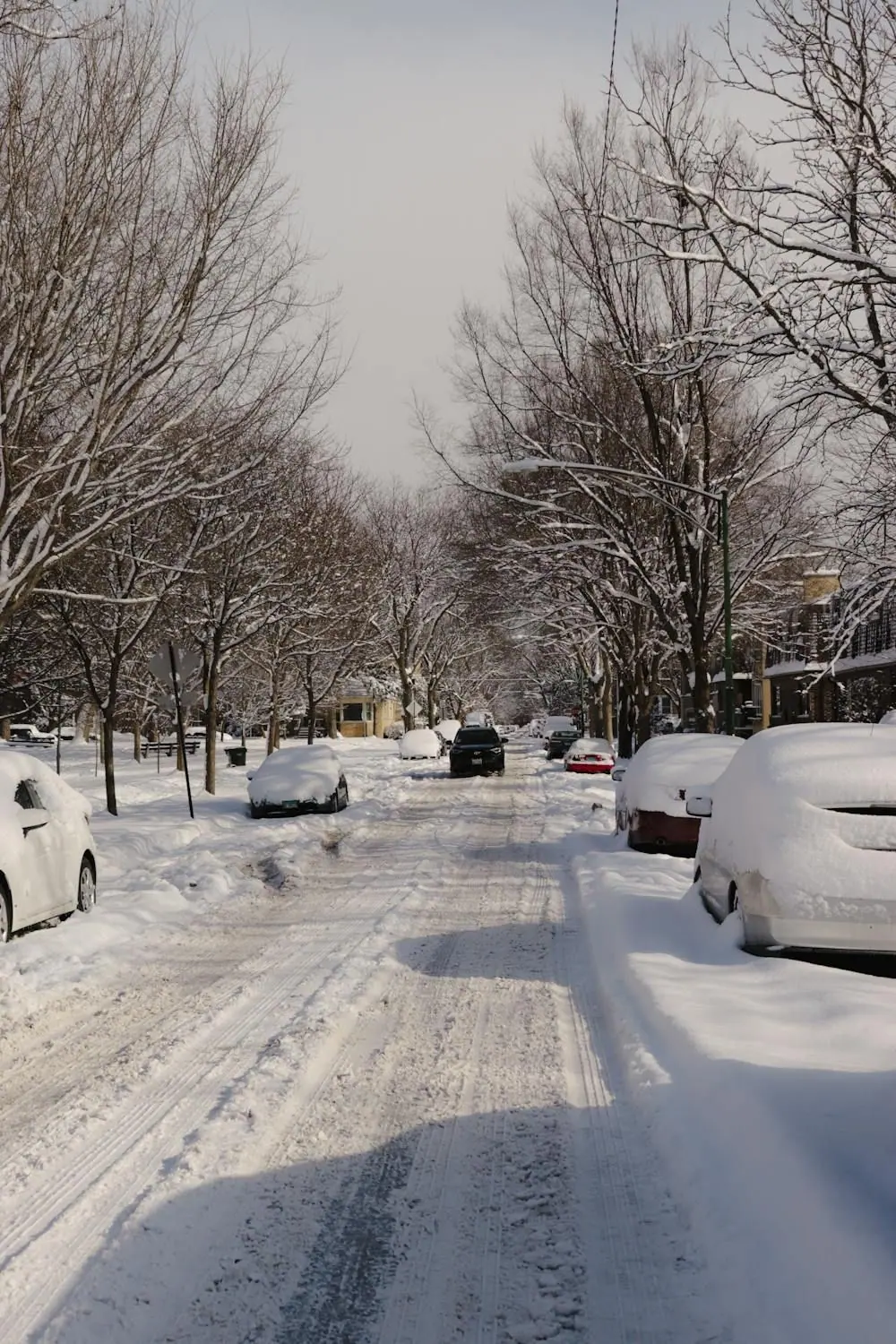
In the winter months, roads become an unpredictable trap. Frost, black ice and snow pose dangers that require drivers to take extra care and adapt their driving style. On a slippery surface, a vehicle’s braking distance can increase several times over, raising the risk of accidents, especially if the driver does not anticipate possible complications. In addition, a sudden change in the weather, such as rain turning into freezing rain, can make road conditions worse immediately.
The quality of your winter equipment also plays a big role. Winter tyres with sufficient tread depth are a must, as they give the vehicle better grip and handling on slippery surfaces. However, even the best tyres cannot guarantee safety if the driver does not follow the basic principles of winter driving.
Another factor affecting safety is the technical condition of the vehicle. For example, faulty wipers or a lack of antifreeze screenwash can significantly reduce visibility in winter. It is also important to check tyre pressures regularly, as low temperatures can cause them to drop, which affects the vehicle’s handling.
Tips for driving safely in winter:
- Adapt your speed and driving style to the current conditions.
- Keep a greater distance from other vehicles so that you have enough time to react.
- When driving on ice, avoid sudden manoeuvres such as harsh braking or sharp steering.
- Always keep basic winter equipment in the car, such as an ice scraper, a torch and a blanket.
Remember that winter conditions require not only a well-prepared vehicle, but also patience and consideration for other road users. Safe driving starts with you.
The winter months bring specific challenges to the roads, including frost, black ice and snow. These conditions affect how the vehicle handles and dramatically increase braking distances. On ice, for example, the braking distance can be several times longer than on dry asphalt. Many drivers underestimate the importance of good winter equipment such as winter tyres, even though their condition can decide whether they manage to stop safely.
Short days and the danger to pedestrians
Winter brings not only shorter days and longer nights, but also a whole range of dangers relating to pedestrian safety on the roads. Once it gets dark, visibility deteriorates significantly, making pedestrians less visible to drivers. This applies not only to rural areas, but also to towns and cities, where many people are out in the evening. Visibility on the roads is also greatly reduced not only at night, but also in bad weather such as fog, rain or snow.
In urban areas with heavy traffic, the situation is even more complicated. Christmas markets, the shopping frenzy and more people moving around public spaces all increase the risk of accidents. Pedestrians who cross the road away from marked crossings, or who walk close to the carriageway, can be hard for drivers to see, especially if they are not wearing reflective items. Reflective items are a key tool for keeping pedestrians safe. They should be part of what people wear not only in rural areas, but also on busy city streets with lots of people and vehicles. Reflective bands, vests or other clothing with reflective elements make pedestrians more visible even in poor light. Often a simple accessory can make the difference between safety and danger.
Drivers need to be especially careful in the winter months. Slowing down near pedestrian crossings is one of the most important things they can do to improve safety. It is also important to remember that even when a road is well lit, visibility can be reduced at night and in bad weather, even in places where it would not be a problem in daylight. Drivers should also make sure their lights are correctly adjusted so as not to dazzle other road users while still giving them a good view of the road.
A clean windscreen is another important factor that drivers should not underestimate. Even small amounts of dirt on the glass can significantly impair the view and therefore the reaction time when the situation on the road suddenly changes. In the winter months, it is therefore important to check the windscreen regularly and clean it when needed.
The safety of pedestrians and drivers in the winter months depends on mutual consideration and caution. Pedestrians should remember that reflective items can be the difference between life and death, and drivers should be especially alert in places where there are a lot of people. Only mutual caution and respect for the rules of the road can create a safe environment for all road users.
Alcohol and celebrations
The Christmas holidays are a time when we get together with family and friends, and drinking alcohol is often part of the celebrations. Although alcohol can be part of the festive atmosphere, it is important to realise how it affects our abilities, especially when driving. Even a small amount of alcohol can slow our reactions, impair our concentration and undermine our decision-making. All of this increases the risk of accidents that can have serious consequences not only for the driver, but also for other road users.
Alcohol significantly affects coordination and perception. Although some drivers may think they can drive after a few drinks, the reality is often different. In winter conditions, when reaction time is crucial for safe driving, alcohol can have fatal consequences. A reduced ability to judge distances correctly, inappropriate reactions to unexpected situations and a distorted perception of speed can lead to tragic accidents.
If you plan to drink, it is best not to drive at all. Instead, use alternative transport such as a taxi or public transport, or arrange a sober driver to take you home safely. In this way you protect not only yourself, but also other road users. Even if the journey home seems short, the risk you are taking is enormous.
If you know that someone around you is planning to drive after drinking, offer to help. You can offer to drive them or help them find another way to get home. A small gesture like this can save a life.
Prevention is key. Alcohol and driving do not mix. Celebrations should be an occasion for joy and safety for everyone. By respecting the rules and behaving responsibly, we can all help make Christmas not only beautiful, but also safe for everyone.
Getting your vehicle ready for winter
Winter presents drivers with specific challenges that require careful technical preparation of the vehicle. Low temperatures, snow, ice and damp can have a negative effect on various parts of the car. A poorly maintained vehicle can be dangerous not only for the driver, but also for other road users. To avoid problems on the road, it is important to prepare for the winter season and make sure the car is in good technical condition.
The most important steps in getting your vehicle ready for winter
Check the battery: winter can reduce battery capacity, so it is important to check it regularly to avoid problems starting the car.
Check the brakes: the brakes must be in perfect condition, because in winter conditions you need to be able to react quickly on slippery roads.
Check the coolant: before winter, check the level and composition of the coolant so that the engine is not at risk of freezing or overheating.
Winter equipment for your vehicle
Ice scraper: helps you remove frost quickly.
Torch: useful in the event of a breakdown or accident at night.
Blanket: can be essential if you have to wait for help.
Jump leads: handy if you have problems with the battery.
Other essential checks include the condition of the wipers and the screenwash. Make sure the wipers are in good condition and able to clean the glass effectively, especially in rain, snow or mud. The screenwash should be frost-resistant so that it does not freeze and you keep a good view. Regularly checking the technical condition of your vehicle and its winter equipment is key to your safety on the roads. If you prepare properly for winter, you can minimise the risk of accidents and stay safe even in difficult winter conditions.
Calm and consideration as the key to safety
The Christmas holidays are a time when we should focus on peace, well-being and time together with family and friends. Unfortunately, this time can also bring more stress and inattention on the roads, which can lead to accidents and dangerous situations. That is why it is important to realise that road safety starts with ourselves. Following the principles of safe driving, showing consideration for other road users and being prepared for winter conditions are key to a safe journey.
In the winter months, when roads are slippery and visibility is limited, staying calm and concentrating on driving is even more important. Winter conditions require greater care, not only when driving, but also when parking and moving around the vehicle. Consideration for other drivers, pedestrians and cyclists is the foundation of accident prevention. Do not rush, slow down near pedestrian crossings and on slippery roads, and be ready for unexpected situations.
Before setting off, make sure your vehicle is in good technical condition and equipped for winter conditions, and that you have enough time to drive safely. Always check the tyres, battery, brakes and coolant. Keep winter equipment in the car, such as ice scrapers, blankets, torches and jump leads. The Christmas holidays should be a time for enjoying happy moments and making memories. Travelling safely is one of the best ways to make sure we can enjoy this time without unnecessary worries.
We wish you a peaceful, happy and safe Christmas, full of joy and love, whether you are on the road or at home. Remember that consideration, patience and preparation for winter conditions will help you arrive safely wherever you need to go.
If you need help with safety in the winter months, do not hesitate to contact us.